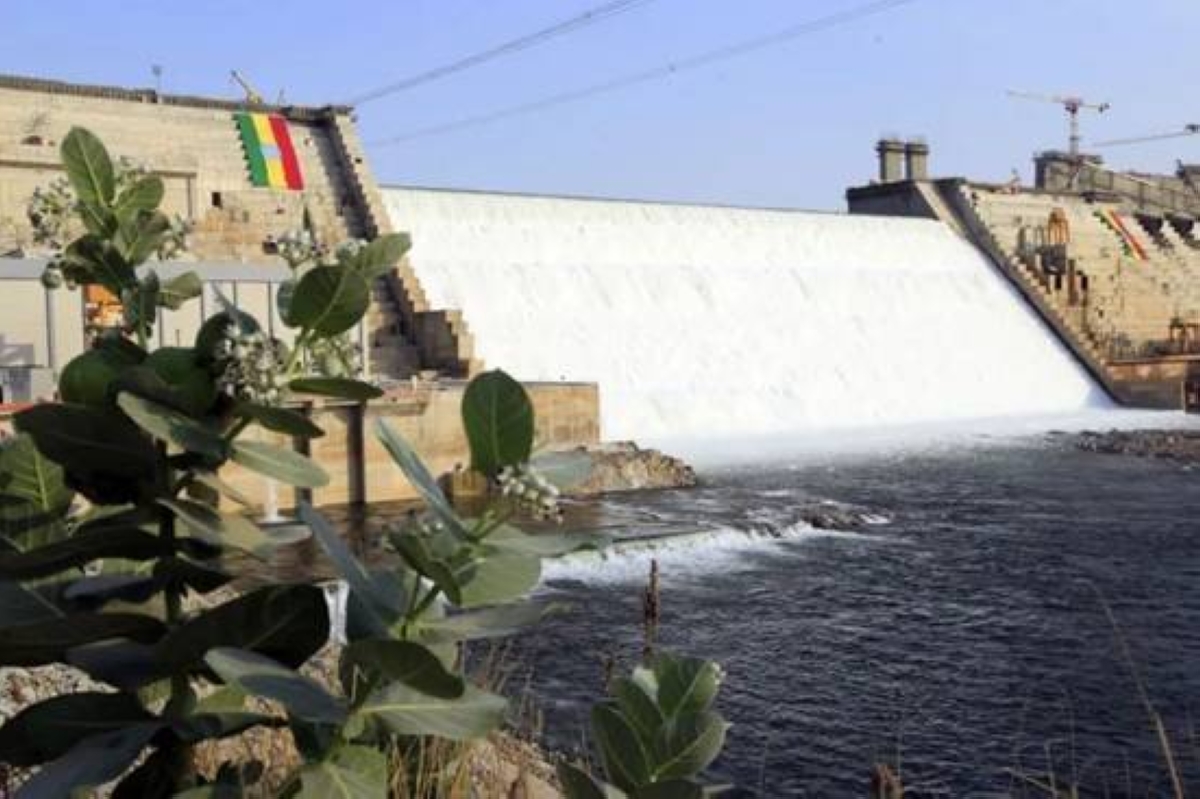
دشن رئيس الوزراء الإثيوبي آبي أحمد، اليوم (الثلاثاء)، رسمياً العمل في سد النهضة بعد انتهاء أعمال البناء.
وأعلن آبي أحمد افتتاح السد الذي لا يزال موضوع خلاف بين مصر والسودان من جهة وإثيوبيا من جهة أخرى.
السد لا يشكل تهديداً
وجدد رئيس الوزراء الإثيوبي آبي أحمد طمأنته لجيرانه، مؤكدا أن السد لا يشكّل تهديداً لأي من مصر والسودان.
وأشار إلى أن بلاده تستخدم موارد النهر العابر للحدود بشكل محدود فقط ولم تأخذ شيئا لا يخصها.
وقال رئيس الوزراء أبي أحمد إن إثيوبيا ستستخدم الطاقة لتحسين وصول الكهرباء إلى المواطنين مع تصدير الفائض إلى المنطقة.
يذكر أن مصر تعتمد بشكل شبه كامل على مياه نهر النيل، إذ تبلغ مواردها المائية نحو 60 مليار متر مكعب سنوياً، يأتي معظمها من النيل 55.5 مليار متر مكعب (نحو 90%).
أما السودان، فتقدر الموارد المائية سنوياً بنحو 38 مليار متر مكعب، عبارة عن 18.5 من النيل الأزرق، والباقي من الأنهار الأخرى، والسيول، بالإضافة إلى المياه الجوفية.
طموحات التنمية الاقتصادية
وترى إثيوبيا، ثاني أكبر دولة في القارة الأفريقية من حيث عدد السكان، إذ يبلغ عددهم 120 مليون نسمة، أن سد النهضة الإثيوبي الكبير، الذي تبلغ تكلفته خمسة مليارات دولار والمشيد على أحد روافد نهر النيل، أساسي لطموحاتها في التنمية الاقتصادية.
وبدأ بناء السد في عام 2011، ومن المفترض أن يرتفع توليد الطاقة في نهاية المطاف إلى 5150 ميغاوات من 750 ميغاوات ينتجها توربينان يعملان بالفعل.
وتصر إثيوبيا على أن المشروع حق سيادي، ومضت قدما في تنفيذه. وبدأت في عام 2020 في ملء الخزان على مراحل، بينما كانت تقول إن السد لن يلحق ضررا كبيرا بدولتي المصب.
وكان أبي أحمد قد قال للبرلمان في يوليو الماضي إن «سد النهضة ليس تهديدا، بل فرصة مشتركة، موضحا أن الطاقة والتنمية التي سيولدها السد لن تنهض بإثيوبيا وحدها».
وتفيد وسائل الإعلام المحلية بأن البنك المركزي الإثيوبي قدم 91% من تمويل المشروع، بينما مول الإثيوبيون 9% من خلال مبيعات السندات والهبات، دون أي مساعدات أجنبية.
The Ethiopian Prime Minister Abiy Ahmed officially launched the work on the Grand Ethiopian Renaissance Dam today (Tuesday) after the completion of construction.
Abiy Ahmed announced the opening of the dam, which remains a subject of dispute between Egypt and Sudan on one side and Ethiopia on the other.
The dam does not pose a threat
The Ethiopian Prime Minister Abiy Ahmed reiterated his reassurance to his neighbors, confirming that the dam does not pose a threat to either Egypt or Sudan.
He pointed out that his country uses the resources of the transboundary river in a limited manner and has not taken anything that does not belong to it.
Prime Minister Abiy Ahmed stated that Ethiopia will use the energy to improve electricity access for citizens while exporting the surplus to the region.
It is worth noting that Egypt relies almost entirely on the waters of the Nile River, with its water resources amounting to about 60 billion cubic meters annually, most of which comes from the Nile, 55.5 billion cubic meters (about 90%).
As for Sudan, its annual water resources are estimated at about 38 billion cubic meters, consisting of 18.5 billion from the Blue Nile, with the remainder from other rivers, floods, and groundwater.
Aspirations for economic development
Ethiopia, the second most populous country in Africa with a population of 120 million, sees the Grand Ethiopian Renaissance Dam, which costs five billion dollars and is built on one of the tributaries of the Nile, as essential for its economic development aspirations.
The construction of the dam began in 2011, and it is expected that power generation will eventually rise to 5,150 megawatts from the 750 megawatts produced by two turbines that are already operational.
Ethiopia insists that the project is a sovereign right and has proceeded with its implementation. In 2020, it began filling the reservoir in phases, while stating that the dam would not cause significant harm to the downstream countries.
Abiy Ahmed had told Parliament last July that "the Renaissance Dam is not a threat, but a shared opportunity," explaining that the energy and development generated by the dam will not uplift Ethiopia alone.
Local media reports indicate that the Ethiopian central bank provided 91% of the project's funding, while Ethiopians financed 9% through bond sales and donations, without any foreign aid.