


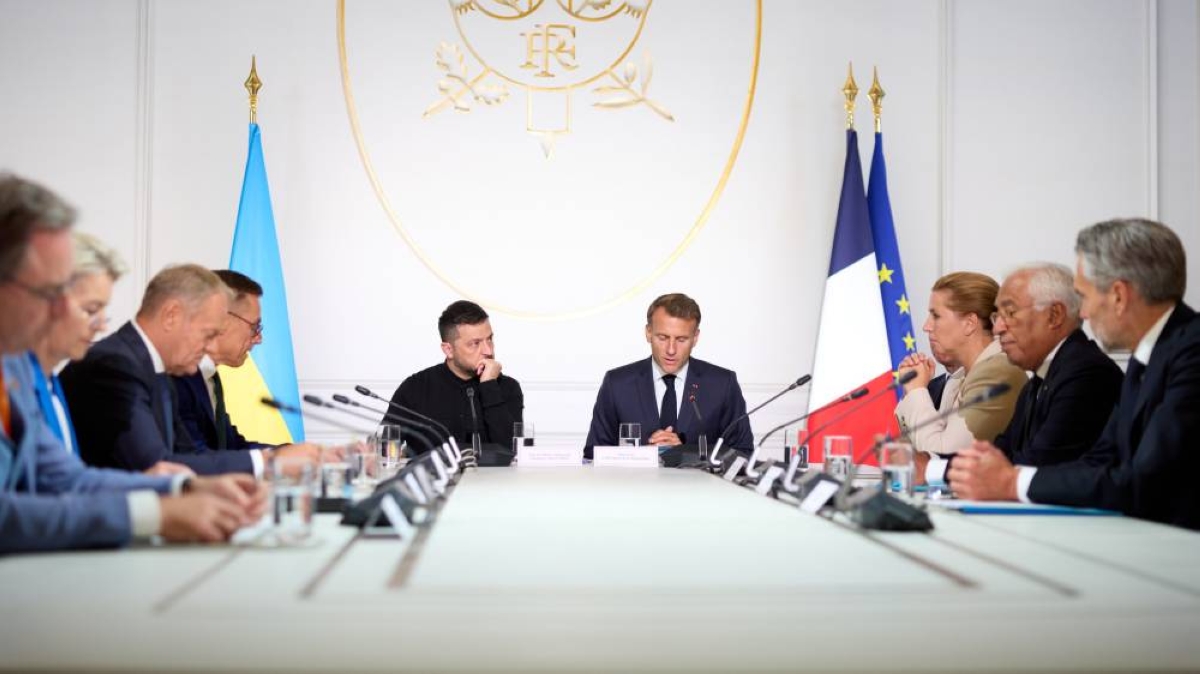

ناقش الرئيس الأمريكي دونالد ترمب، اليوم (الخميس)، مع القادة الأوروبيين «تحالف الراغبين» نشر قوة أوروبية في أوكرانيا عقب انتهاء الحرب، كجزء من الضمانات الأمنية التي ستحصل عليها كييف.
وأوضح متحدث باسم الحكومة الألمانية أن الشركاء الأوروبيين أطلعوا ترمب على ما اتفقوا عليه، مبيناً أن أوروبا مستعدة للإسهام بشكل حاسم في توفير ضمانات أمنية قوية لأوكرانيا بعد التوصل إلى حل تفاوضي.
وأعرب الشركاء الأوروبيون عن أملهم بأن تواصل الولايات المتحدة الإسهام بشكل كبير في الجهود الداعمة لأوكرانيا.
من جهته، كتب الرئيس الأوكراني فولوديمير زيلينسكي على حسابه في «إكس»: حضر اجتماع تحالف الراغبين اليوم قادة أكثر من 30 دولة، يجمعهم هدف واحد وهو إنهاء الحرب بسلامٍ دائمٍ وأمنٍ مستدام، موضحاً أنه جرت مناقشة استعدادات كل دولة بالتفصيل للمساهمة في ضمان الأمن براً وبحراً وجواً وعبر الفضاء الإلكتروني.
وأشار زيلينسكي إلى أنه جرى تنسيق المواقف واستعراض عناصر الضمانات الأمنية، معرباً عن امتنانه للجميع لتفهمهم أن الضمانة الأمنية الرئيسية هي جيش أوكراني قوي.
وقال زيلينسكي: «نتفق على أن روسيا تبذل قصارى جهدها لإطالة أمد عملية المفاوضات وإطالة أمد الحرب»، مضيفاً: يجب زيادة الدعم لأوكرانيا وتكثيف الضغط على روسيا.
وكشف الرئيس الأوكراني العمل على حزمة من عقوبات الاتحاد الأوروبي الـ19، مبيناً أن اليابان تعمل على وضع إجراءات عقابية.
وكانت صحيفة «فاينانشيال تايمز» قد ذكرت اليوم، أن العواصم الأوروبية تواجه ضغوطاً متزايدة، لتقديم تعهدات ملموسة بشأن نشر قوة متعددة الجنسيات في أوكرانيا، ضمن خطط ما بعد الحرب، مبينة أن هذه القوة محور الضمانات الأمنية لأوكرانيا، والتي يدرسها «تحالف الراغبين» بقيادة فرنسا وبريطانيا، بدعم محدود من الولايات المتحدة.
وأشارت الصحيفة إلى أن حالة من عدم اليقين تسيطر على القوى الأوروبية بشأن ما يرغب الأعضاء في المساهمة به، بما في ذلك القوات على الأرض، وما إذا كان ذلك يستند إلى اتفاقيات دفاع مشترك من شأنها أن تلزم الدول الأوروبية بالقتال مع أوكرانيا ضد أي عدوان مستقبلي.
زيلينسكي يتوعد روسيا بحزمة عقوبات أوروبية جديدة
دول الاتحاد لترمب: مستعدون لتوفير ضمانات أمنية قوية لأوكرانيا
4 سبتمبر 2025 - 17:37
|
آخر تحديث 4 سبتمبر 2025 - 17:37


تابع قناة عكاظ على الواتساب
«عكاظ» (جدة) okaz_online@
U.S. President Donald Trump discussed today (Thursday) with European leaders the "Alliance of the Willing" to deploy a European force in Ukraine after the war ends, as part of the security guarantees that Kyiv will receive.
A spokesperson for the German government explained that European partners briefed Trump on what they had agreed upon, indicating that Europe is ready to contribute decisively to providing strong security guarantees for Ukraine after reaching a negotiated solution.
The European partners expressed their hope that the United States would continue to contribute significantly to the efforts supporting Ukraine.
For his part, Ukrainian President Volodymyr Zelensky wrote on his account on "X": Today, leaders from more than 30 countries attended the Alliance of the Willing meeting, united by a single goal of ending the war with lasting peace and sustainable security, explaining that the preparations of each country were discussed in detail to contribute to ensuring security on land, at sea, in the air, and in cyberspace.
Zelensky noted that positions were coordinated and elements of security guarantees were reviewed, expressing his gratitude to everyone for understanding that the main security guarantee is a strong Ukrainian army.
Zelensky said: "We agree that Russia is doing its utmost to prolong the negotiation process and extend the war," adding: Support for Ukraine must be increased and pressure on Russia must be intensified.
The Ukrainian president revealed work on a package of 19 EU sanctions, indicating that Japan is working on implementing punitive measures.
The "Financial Times" reported today that European capitals are facing increasing pressure to make concrete commitments regarding the deployment of a multinational force in Ukraine as part of post-war plans, indicating that this force is central to the security guarantees for Ukraine, which is being considered by the "Alliance of the Willing" led by France and Britain, with limited support from the United States.
The newspaper pointed out that a state of uncertainty prevails among European powers regarding what members wish to contribute, including ground forces, and whether this is based on mutual defense agreements that would obligate European countries to fight alongside Ukraine against any future aggression.
A spokesperson for the German government explained that European partners briefed Trump on what they had agreed upon, indicating that Europe is ready to contribute decisively to providing strong security guarantees for Ukraine after reaching a negotiated solution.
The European partners expressed their hope that the United States would continue to contribute significantly to the efforts supporting Ukraine.
For his part, Ukrainian President Volodymyr Zelensky wrote on his account on "X": Today, leaders from more than 30 countries attended the Alliance of the Willing meeting, united by a single goal of ending the war with lasting peace and sustainable security, explaining that the preparations of each country were discussed in detail to contribute to ensuring security on land, at sea, in the air, and in cyberspace.
Zelensky noted that positions were coordinated and elements of security guarantees were reviewed, expressing his gratitude to everyone for understanding that the main security guarantee is a strong Ukrainian army.
Zelensky said: "We agree that Russia is doing its utmost to prolong the negotiation process and extend the war," adding: Support for Ukraine must be increased and pressure on Russia must be intensified.
The Ukrainian president revealed work on a package of 19 EU sanctions, indicating that Japan is working on implementing punitive measures.
The "Financial Times" reported today that European capitals are facing increasing pressure to make concrete commitments regarding the deployment of a multinational force in Ukraine as part of post-war plans, indicating that this force is central to the security guarantees for Ukraine, which is being considered by the "Alliance of the Willing" led by France and Britain, with limited support from the United States.
The newspaper pointed out that a state of uncertainty prevails among European powers regarding what members wish to contribute, including ground forces, and whether this is based on mutual defense agreements that would obligate European countries to fight alongside Ukraine against any future aggression.


