كشف تقرير قُدم إلى مجلس الأمن الدولي من فريق الدعم التحليلي أخيراً، ورصد الجزاءات بشأن تنظيمي «داعش» و«القاعدة» وما يرتبط بهما من أفراد وكيانات، مستعرضاً مصادر تمويل التنظيمين الإرهابيين والمواقع الجغرافية لتحركاتهما.
وأكد التقرير الذي عرض على مجلس الأمن الدولي أن تنظيمي «القاعدة» و«داعش» ما زالا قادرين على التكيف في جمع الأموال، مبيناً أن أساليبهما تختلف وفقا للموقع الجغرافي وقدرة الجماعتين على استغلال الموارد وفرض الجبايات على المجتمعات المحلية أو الخطف طلبا للفدية، وابتزاز أصحاب الأعمال التجارية، وغيرها من الوسائل.
وأفاد التقرير بأن الطرق التقليدية لنقل الأموال من خلال الحوالة والتحويلات النقدية ما زالت هي السائدة، غير أن هناك أساليب تهدف إلى تخزين الأموال وتحويلها، خصوصا من قبل تنظيم «داعش»، موضحاً أن هناك استخدام من قبل تنظيم داعش الإرهابي بشكل متزايد للنساء في حمل النقدية، وتحويلها عبر أنظمة الحوالة المصرفية السحابية التي تنطوي على تخزين البيانات في السحابة لتجنب اكتشافها، وصناديق الإيداع الآمنة والتي يتم إيداع الأموال في مكاتب الصراف لسحبها لاحقا باستخدام كلمة مرور أو رمز سري.
وذكر التقرير أن الهياكل المالية لـ«داعش» بقيت مستقلة عن زعيم التنظيم، لكنه واجه مشاكل تمويلية تسببت في تراجع الإيرادات، وخفض رواتب عناصره إلى ما بين 50 – 70 دولارا شهرياً لكل مسلح، مع منح 35 دولارا لكل أسرة، وهو أقل من أي وقت مضى، كما أن تلك الرواتب لم تعد تدفع بانتظام، مما يشير إلى صعوبات مالية.
وذكر التقرير أنه في أعقاب الهجوم العسكري ضد «داعش» الإرهابي في الصومال لاحظت الدول الإقليمية تعطل الشبكة المالية لـ«مكتب الكرار»، بما في ذلك عدم القدرة على جمع الأموال بسبب امتناع أصحاب الأعمال التجارية المحلية عن التعاون، مشيراً إلى أن الجماعات الإقليمية المنتسبة لمكتب الكرار لم تعد تتلقى أموالا، مما دفعها إلى البحث عن وسائل بديلة لجمع الأموال من قبيل الخطف طلبا للفدية، وتُطلب دفعات فورية ضئيلة (50 إلى 100 دولار) عبر تطبيقات الأموال على الأجهزة المحمولة لكفالة الإفراج السريع عن المخطوفين.
وقال التقرير إن تنظيم داعش في الصومال يمتلك الآن مخابئ، فعالية للنقدية، وسعى مكتب الكرار أيضا إلى إخفاء المدخرات عن طريق إيداعها في حسابات مصرفية لرجال أعمال متعاطفين معه، أو عن طريق استثمارها في مشاريع تجارية محلية، مشيراً إلى أن تنظيم داعش خراسان (فرع التنظيم في جنوب آسيا وآسيا الوسطى)لا تتوفر عنه أرقام محددة للإيرادات.
وذكر التقرير أن الدول الأعضاء أفادت بأن التمويل لم يشكل عقبة، وأن التنظيم لم يكن يعاني من نقص في الأموال اللازمة لتنفيذ عملياته.
وأضاف التقرير أن تنظيم داعش - خراسان كان يتلقى إيراداته من مكتب الكرار في الصومال، بالإضافة إلى التبرعات واستمرار عمليات الخطف التي تستهدف رجال الأعمال في أفغانستان.
وأشار إلى أن التنظيم يمتلك مدخرات بقيمة 10 ملايين دولار تقريبا، ويستثمر جزءا منها في مجال العقارات، مبيناً أن استخدام تنظيم «داعش – خراسان» للعملات المشفرة مثل «Monero»، و«KuCoin»، و«MEXC»، و«Huobi»، و«Totalcoin»، أصبح أكثر شيوعا ولكن أكثر تعقيدا أيضا.
وأشار التقرير إلى أن بعض الدول الأعضاء ترى أن عملة Monero قد تشهد انخفاضا في الاستخدام نتيجة ظهورها على البورصات الوطنية وصعوبة تحويلها، مبيناً أن التطبيق الجديد للعملات المشفرة اسمه «Cash Now» الذي يتيح التبادل بين مختلف العملات المشفرة، وييسر توفير النقدية لعناصر «داعش»، كما لاحظ بعض الدول زيادة في استخدام تطبيق آخر للتمويل من قبل التنظيم لأنه يتطلب عمليات (اعرف عميلك).
وأشار التقرير إلى أنه لوحظ استخدام المحافظ غير المستضافة لإجراء تحويلات مالية لمرة واحدة، كما جرب «داعش» استخدام وثائق مزورة أعدت عبر تطبيقات الذكاء الاصطناعي للتحايل على إجراءات «اعرف عميلك».
في تقرير لمجلس الأمن.. فريق دولي يفضح مصادر تمويل «القاعدة» و«داعش»
2 سبتمبر 2025 - 10:51
|
آخر تحديث 2 سبتمبر 2025 - 10:51
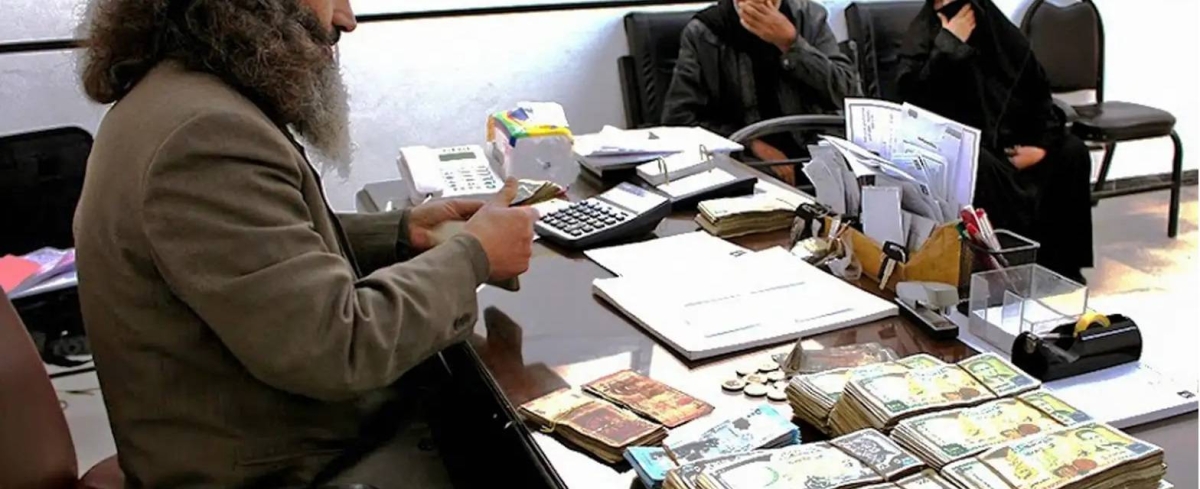
أموال داعش


تابع قناة عكاظ على الواتساب
«عكاظ» (جدة) okaz_online@
A report recently submitted to the United Nations Security Council by the Analytical Support and Sanctions Monitoring Team regarding the organizations "ISIS" and "Al-Qaeda" and their associated individuals and entities, reviewed the sources of funding for the two terrorist organizations and the geographical locations of their movements.
The report presented to the UN Security Council confirmed that the organizations "Al-Qaeda" and "ISIS" are still capable of adapting in fundraising, indicating that their methods vary according to geographical location and the ability of the two groups to exploit resources and impose taxes on local communities or engage in kidnapping for ransom, extorting business owners, and other means.
The report stated that traditional methods of transferring money through remittances and cash transfers remain prevalent, but there are methods aimed at storing and transferring money, especially by the "ISIS" organization, explaining that there is an increasing use by the ISIS terrorist organization of women to carry cash and transfer it through cloud banking remittance systems that involve storing data in the cloud to avoid detection, and secure deposit boxes where money is deposited in exchange offices to be withdrawn later using a password or secret code.
The report mentioned that the financial structures of "ISIS" remained independent of the organization's leader, but he faced financial problems that led to a decline in revenues, reducing the salaries of its members to between $50 and $70 per month for each fighter, while providing $35 for each family, which is less than ever before, and these salaries are no longer paid regularly, indicating financial difficulties.
The report noted that following the military attack against the ISIS terrorist organization in Somalia, regional countries observed a disruption in the financial network of the "Karar Office," including an inability to raise funds due to local business owners' refusal to cooperate, indicating that regional groups affiliated with the Karar Office no longer receive funds, prompting them to seek alternative means of fundraising such as kidnapping for ransom, with small immediate payments (ranging from $50 to $100) requested via mobile money applications to ensure the quick release of the hostages.
The report stated that the ISIS organization in Somalia now has cash-effective hideouts, and the Karar Office also sought to conceal savings by depositing them in bank accounts of sympathetic businessmen or by investing them in local business projects, noting that there are no specific revenue figures available for the ISIS Khorasan (the branch of the organization in South Asia and Central Asia).
The report indicated that member states reported that funding was not an obstacle, and the organization did not suffer from a shortage of funds necessary to carry out its operations.
The report added that ISIS-Khorasan was receiving its revenues from the Karar Office in Somalia, in addition to donations and ongoing kidnapping operations targeting businessmen in Afghanistan.
It pointed out that the organization has savings of approximately $10 million, investing part of it in real estate, indicating that the use of cryptocurrencies by the "ISIS-Khorasan" organization, such as "Monero," "KuCoin," "MEXC," "Huobi," and "Totalcoin," has become more common but also more complex.
The report noted that some member states believe that the Monero currency may see a decline in use due to its appearance on national exchanges and the difficulty of converting it, explaining that the new cryptocurrency application called "Cash Now" allows for exchanges between different cryptocurrencies and facilitates cash provision for ISIS members, while some states observed an increase in the use of another financing application by the organization because it requires "Know Your Customer" processes.
The report indicated that the use of non-custodial wallets for one-time financial transfers was observed, and ISIS attempted to use forged documents prepared through artificial intelligence applications to circumvent "Know Your Customer" procedures.
The report presented to the UN Security Council confirmed that the organizations "Al-Qaeda" and "ISIS" are still capable of adapting in fundraising, indicating that their methods vary according to geographical location and the ability of the two groups to exploit resources and impose taxes on local communities or engage in kidnapping for ransom, extorting business owners, and other means.
The report stated that traditional methods of transferring money through remittances and cash transfers remain prevalent, but there are methods aimed at storing and transferring money, especially by the "ISIS" organization, explaining that there is an increasing use by the ISIS terrorist organization of women to carry cash and transfer it through cloud banking remittance systems that involve storing data in the cloud to avoid detection, and secure deposit boxes where money is deposited in exchange offices to be withdrawn later using a password or secret code.
The report mentioned that the financial structures of "ISIS" remained independent of the organization's leader, but he faced financial problems that led to a decline in revenues, reducing the salaries of its members to between $50 and $70 per month for each fighter, while providing $35 for each family, which is less than ever before, and these salaries are no longer paid regularly, indicating financial difficulties.
The report noted that following the military attack against the ISIS terrorist organization in Somalia, regional countries observed a disruption in the financial network of the "Karar Office," including an inability to raise funds due to local business owners' refusal to cooperate, indicating that regional groups affiliated with the Karar Office no longer receive funds, prompting them to seek alternative means of fundraising such as kidnapping for ransom, with small immediate payments (ranging from $50 to $100) requested via mobile money applications to ensure the quick release of the hostages.
The report stated that the ISIS organization in Somalia now has cash-effective hideouts, and the Karar Office also sought to conceal savings by depositing them in bank accounts of sympathetic businessmen or by investing them in local business projects, noting that there are no specific revenue figures available for the ISIS Khorasan (the branch of the organization in South Asia and Central Asia).
The report indicated that member states reported that funding was not an obstacle, and the organization did not suffer from a shortage of funds necessary to carry out its operations.
The report added that ISIS-Khorasan was receiving its revenues from the Karar Office in Somalia, in addition to donations and ongoing kidnapping operations targeting businessmen in Afghanistan.
It pointed out that the organization has savings of approximately $10 million, investing part of it in real estate, indicating that the use of cryptocurrencies by the "ISIS-Khorasan" organization, such as "Monero," "KuCoin," "MEXC," "Huobi," and "Totalcoin," has become more common but also more complex.
The report noted that some member states believe that the Monero currency may see a decline in use due to its appearance on national exchanges and the difficulty of converting it, explaining that the new cryptocurrency application called "Cash Now" allows for exchanges between different cryptocurrencies and facilitates cash provision for ISIS members, while some states observed an increase in the use of another financing application by the organization because it requires "Know Your Customer" processes.
The report indicated that the use of non-custodial wallets for one-time financial transfers was observed, and ISIS attempted to use forged documents prepared through artificial intelligence applications to circumvent "Know Your Customer" procedures.