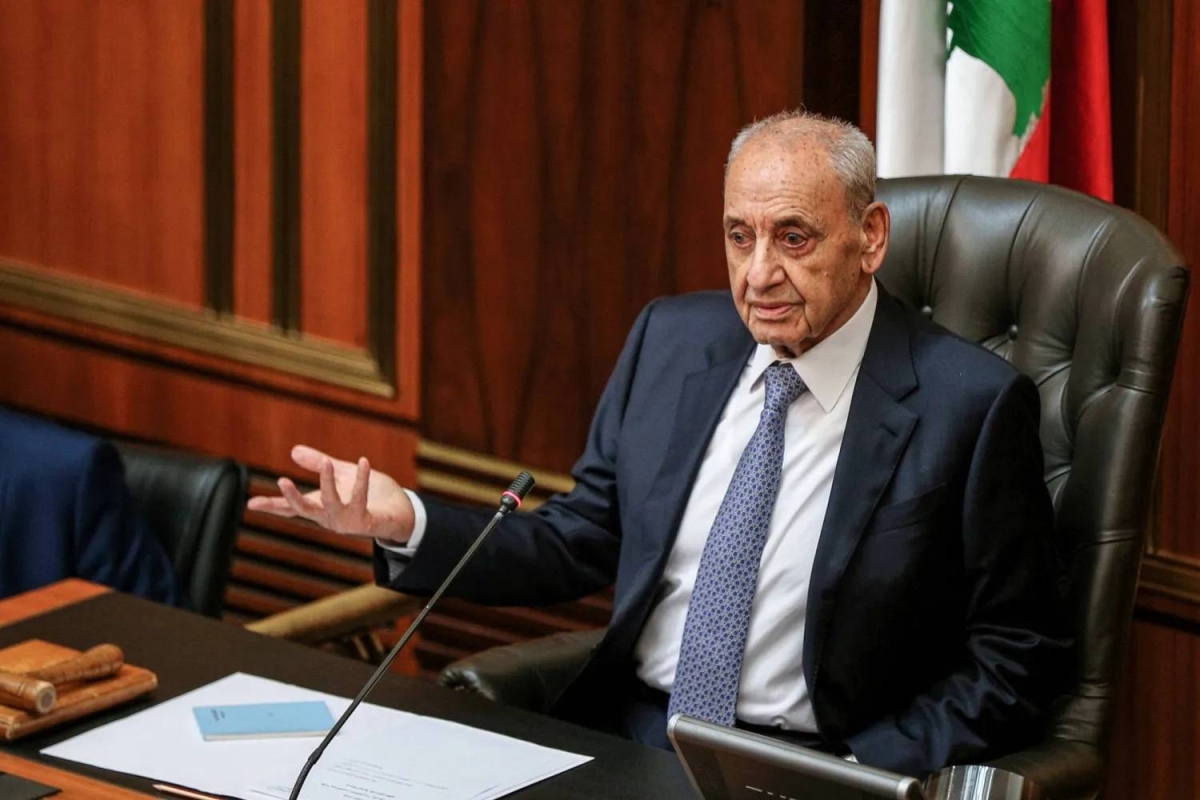
حذر رئيس مجلس النواب اللبناني نبيه بري، اليوم (الأحد)، من زج الجيش اللبناني في مواجهة لا تُناسب دوره الوطني الجامع، مؤكداً في كلمة له انفتاحه على الحوار ضمن سقف الدستور وخطاب القسم.
وشدد بري على أن أي نقاش حول سلاح حزب الله لا يمكن أن يتم إلا في إطار وطني شامل قائلاً: إننا منفتحون لمناقشة مصير السلاح، في إطار حوار هادئ توافقي تحت سقف الدستور وخطاب القسم والبيان الوزاري والقوانين والمواثيق الدولية، بما يؤدي إلى صياغة إستراتيجية للأمن الوطني تحمي لبنان وتحرر أرضه وتصون حدوده، مضيفاً: نرفض التهديد وضرب الميثاقية واستباحة الدستور والقفز فوق البيان الدستوري ووقف النار الذي يمثل الإطار التنفيذي.
وأشار إلى أنّ لبنان التزم بمتطلبات اتفاق وقف إطلاق النار، بينما لم يلتزم الكيان الإسرائيلي بأي من بنوده بل زاد من احتلاله وواصل عدوانه، مشيراً إلى أن القرى المدمرة ليست قرى شيعية فقط، بل إن من بينها قرى سنية وبعضها يشبه لبنان بجناحيه المسلم والمسيحي. وأشار إلى أن موقف الوزراء في هاتين الجلستين ليس مذهبياً بل موقف وطني، مبيناً أن ما طرحته الورقة الأمريكية تجاوز مبدأ حصر السلاح وكأنه بديل عن اتفاق نوفمبر.
وأكد أن لبنان نفذ ما عليه، بينما إسرائيل أصرت على استمرار إطلاق النار، مشدداً بالقول: من غير الجائز وطنياً وبأي وجه من الوجوه رمي كرة النار في حضن الجيش اللبناني الذي نعتبره درع الوطن وحصنه الحصين.
وتساءل بري: ألا تشكل زيارة رئيس الأركان الإسرائيلي إلى جنوب لبنان إهانة؟ مخاطباً اللبنانيين بالقول: ألم تروا أن موقف رئيس الوزراء الإسرائيلي بنيامين نتنياهو الذي تفاخر بأنه في مهمة تاريخية لتحقيق حلم إسرائيل الكبرى يشمل لبنان؟
وأضاف بري: من يقود حملات الشتم بحق طائفة مؤسسة للكيان اللبناني كان يراهن على نتائج العدوان الإسرائيلي لإحياء مشاريع قديمة، مبيناً أن موقف الوزراء الشيعة لم يكن طائفياً أو مذهبياً إنما هو وطني بامتياز. وختم بري بالقول: «نريد نزع الفتن من لبنان وإعادة إعماره لجميع اللبنانيين».
Lebanese Speaker of Parliament Nabih Berri warned today (Sunday) against involving the Lebanese army in a confrontation that does not suit its national unifying role, affirming in a speech his openness to dialogue within the framework of the constitution and the oath of office.
Berri emphasized that any discussion regarding Hezbollah's weapons can only take place within a comprehensive national framework, stating: "We are open to discussing the fate of the weapons, in the context of a calm, consensual dialogue under the roof of the constitution, the oath of office, the ministerial statement, and international laws and agreements, leading to the formulation of a national security strategy that protects Lebanon, liberates its land, and safeguards its borders." He added: "We reject threats, undermining the covenant, violating the constitution, and jumping over the constitutional statement and the ceasefire that represents the executive framework."
He pointed out that Lebanon has adhered to the requirements of the ceasefire agreement, while the Israeli entity has not complied with any of its terms but has increased its occupation and continued its aggression, noting that the destroyed villages are not only Shiite villages, but also include Sunni villages, some of which resemble Lebanon with its Muslim and Christian wings. He indicated that the position of the ministers in these two sessions is not sectarian but rather a national stance, clarifying that what the American paper proposed exceeded the principle of weapon restriction as if it were an alternative to the November agreement.
Berri confirmed that Lebanon has fulfilled its obligations, while Israel insisted on continuing to fire, stressing: "It is not permissible nationally, in any way, to throw the ball of fire into the lap of the Lebanese army, which we consider the shield of the nation and its stronghold."
Berri questioned: "Doesn't the visit of the Israeli Chief of Staff to southern Lebanon constitute an insult?" Addressing the Lebanese, he said: "Did you not see that Israeli Prime Minister Benjamin Netanyahu, who boasted that he is on a historic mission to achieve the dream of Greater Israel, includes Lebanon?"
Berri added: "Those who lead campaigns of insults against a sect that is foundational to the Lebanese entity were betting on the results of the Israeli aggression to revive old projects," indicating that the position of the Shiite ministers was not sectarian or denominational but rather a distinctly national stance. Berri concluded by saying: "We want to eliminate strife from Lebanon and rebuild it for all Lebanese."