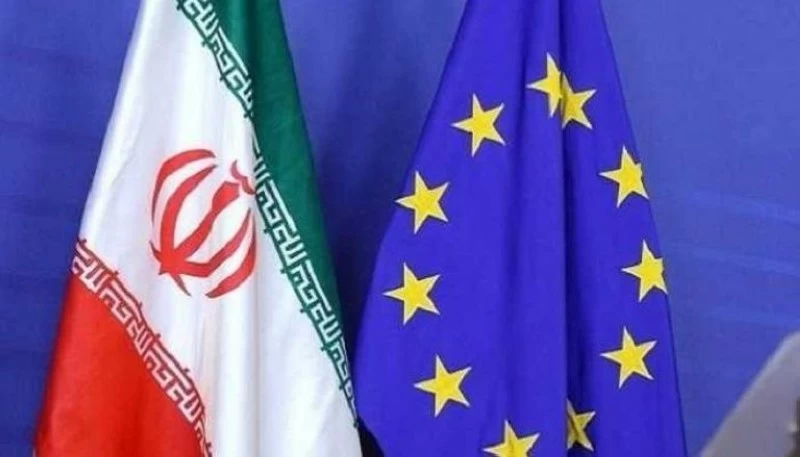
في خطوة تعكس تصاعد حدة المواجهة السياسية بين طهران وبروكسل، أعلنت وزارة الخارجية الإيرانية، أمس (السبت)، تصنيف جميع القوات البحرية والجوية التابعة لدول الاتحاد الأوروبي الأعضاء «منظمات إرهابية»، تطبيقاً لمبدأ المعاملة بالمثل، رداً على إدراج الحرس الثوري على قائمة الإرهاب الأوروبية.
مبدأ المعاملة بالمثل
الخارجية الإيرانية أوضحت أن القرار يأتي في إطار ما وصفته بالرد على «إجراء غير قانوني وغير مبرر»، معتبرة أن تصنيف الحرس الثوري، الذي تصفه بأنه أحد أركان القوات المسلحة الرسمية، يخالف مبادئ ميثاق الأمم المتحدة والقانون الدولي.
وأكدت أن إدراج القوات البحرية والجوية للدول الأوروبية ضمن القائمة الإيرانية يندرج تحت ما سمّته «الإجراءات المتبادلة»، مشددة على التزام طهران بمبدأ المعاملة بالمثل في القضايا المتعلقة بالأمن والدفاع.
خلفية القرار الأوروبي
وكان مجلس الاتحاد الأوروبي قد أعلن في 19 فبراير، بعد اتفاق سياسي في يناير 2026، إدراج الحرس الثوري على قائمة المنظمات الإرهابية، وفرض إجراءات تقييدية ضمن نظام عقوبات مكافحة الإرهاب الأوروبي.
القرار الأوروبي جاء استناداً إلى اتهامات تتعلق بانتهاكات حقوق الإنسان داخل إيران، وقمع الاحتجاجات، إضافة إلى دعم جماعات مسلحة في المنطقة، وتزويد روسيا بأسلحة لاستخدامها في الحرب في أوكرانيا.
توتر يتصاعد
الخطوة الإيرانية تفتح باب مرحلة جديدة من التصعيد الدبلوماسي، في ظل تبادل الاتهامات والإجراءات العقابية، بما ينذر بمزيد من التوتر في العلاقة بين طهران والعواصم الأوروبية خلال المرحلة القادمة.
In a move that reflects the escalating political confrontation between Tehran and Brussels, the Iranian Foreign Ministry announced yesterday (Saturday) the designation of all naval and air forces of EU member states as "terrorist organizations," in accordance with the principle of reciprocity, in response to the inclusion of the Revolutionary Guard on the European terrorism list.
The Principle of Reciprocity
The Iranian Foreign Ministry clarified that the decision comes as part of what it described as a response to an "illegal and unjustified action," considering the classification of the Revolutionary Guard, which it describes as one of the pillars of the official armed forces, to be in violation of the principles of the United Nations Charter and international law.
It emphasized that the inclusion of the naval and air forces of European countries on the Iranian list falls under what it called "reciprocal measures," stressing Tehran's commitment to the principle of reciprocity in matters related to security and defense.
Background of the European Decision
The European Council announced on February 19, following a political agreement in January 2026, the inclusion of the Revolutionary Guard on the list of terrorist organizations and the imposition of restrictive measures under the European anti-terrorism sanctions regime.
The European decision was based on accusations related to human rights violations within Iran, the suppression of protests, as well as support for armed groups in the region and supplying Russia with weapons for use in the war in Ukraine.
Escalating Tensions
The Iranian step opens the door to a new phase of diplomatic escalation, amid a backdrop of mutual accusations and punitive measures, which portends further tension in the relationship between Tehran and European capitals in the upcoming phase.