


ما الذي دفع الولايات المتحدة للقيام بسحب سريع لقواتها العسكرية من العراق؟ سؤال لا أحد في العراق يستطيع الإجابة عنه، لكن دوائر القرار الرسمي في العاصمة بغداد تتحدث سرّاً عن مخاوف من وراء هذا الانسحاب السريع الذي خالف الاتفاقات المبرمة مع واشنطن بهذا الشأن، ولا تخفي هذه الدوائر أن سحب القوات الأمريكية يضع البلاد أمام مواجهة محتملة مع نحو «40 ألف داعشي»، مع تنامي احتمال توجيه «ضربات إسرائيلية».
الحكومة العراقية قالت في موقف مقتضب إن أمر الانسحابِ صدرَ عن السفارة الأمريكية في بغداد، وبدأت عملية الإخلاء صباح (الأحد) الماضي، وأن جزءاً من القوات الأمريكية غادرت بالفعل قاعدة عين الأسد ومجمع قاعدة النصر (VBC) داخل مطار بغداد، مشيرة إلى أن القاعدتين ستخليان بالكامل خلال الأيام القليلة القادمة.
وأضافت أن نحو 2,000 جندي أمريكي كانوا متمركزين في قاعدة عين الأسد إلى جانب عدد آخر في قاعدة النصر، موضحة أن جزءاً من هذه القوات نقلت إلى أربيل.
ورسمياً، كان من المقرر أن تنتهي مهمة التحالف الدولي في العراق بحلول نهاية 2025 وفق الاتفاق المبرم بين بغداد وواشنطن.
واجمع سياسيون عراقيون تحدثوا لـ «عكاظ» على أن سحب القوات الأمريكية بهذه الطريقة وبتلك السرعة مرتبط بترتيبات جديدة في المنطقة.
يقول الدبلوماسي العراقي السابق علي السعدون: «إن هناك سلسلة متغيرات بالمنطقة تتزامن مع الحديث عن الانسحاب بينها خطة محتملة لاقتحام إسرائيل غزة مطلع سبتمبر، واستهداف الحوثيين واستئناف الحرب مع إيران».
وأوضحت الحكومة العراقية أن مغادرة قوات التحالف تأتي في إطار «نقل العلاقات الأمنية مع دول التحالف إلى علاقات دفاعية ثنائية طبيعية».
وفي سبتمبر 2024، كشف وزير الدفاع ثابت العباسي اتفاقاً ينص على إنهاء مهمة التحالف على مرحلتين: الأولى تبدأ في 2024 وتستمر حتى 2025، فيما تنتهي المرحلة الثانية في 2026.
ويتواجد حالياً نحو 2,500 جندي أمريكي في العراق ضمن مهمة تدريبية واستشارية بعد أن خفض عددهم إثر دحر تنظيم «داعش» عام 2017.
بموازاة ذلك، يحذّر البرلماني السابق سعد العليمي من احتمال تعرض العراق لضربات عسكرية أو هجمات متطرفة بعد مغادرة القوات الأمريكية.
ويقول العليمي: «لا إسرائيل ولا أية دولة بالمنطقة يمكن أن تتجرأ على قصف العراق بوجود الأمريكيين لكن عند غيابهم لن تكون هناك حماية في (فكتوريا) أو (عين الأسد) حينها ستتحمل الحكومة العراقية المسؤولية عن أي عدوان سواء كان إسرائيلياً أو حتى من داعش».
وكشفت الخارجية العراقية أكثر من مرة أن تدخل واشنطن حال دون «ضربات إسرائيلية» للعراق، فيما أظهرت حرب الأيام الـ12 بين إيران وإسرائيل ضعفاً كبيراً في مجال الدفاع الجوي العراقي.
ويبقى مهماً أن القوى السياسية في العراق قد لا تدرك حجم التحديات خصوصاً أن داعش قد يشن هجمات منسقة مستفيداً من غياب الردع الأمريكي، فيما سيكون الإطار التنسيقي مسؤولاً إذا حدث انهيار أمني.
وفي المقابل، تؤكد القيادة العسكرية العراقية أن «داعش» لا يشكّل خطراً جدياً، وأن الجيش على أهبة الاستعداد، بينما عبرت السفارة الأمريكية في بغداد عن قلق عميق من توسع تنظيمي «داعش» و«القاعدة» في المنطقة.
وفي يونيو الماضي، نفّذت القوات الأمريكية انسحابات «مفاجئة» من سورية قرب الحدود مع العراق، ما أثار مخاوف من عودة نشاط «داعش».
وقال مسؤولون عراقيون إن بقاء القوات الأمريكية على الحدود السورية لمحاربة التنظيم «أمر ضروري».
ويقدر وجود نحو 60 ألفاً من عوائل «داعش» في مخيمات سورية حدودية، نصفهم دون سن الـ20 ومتشبعون بالأفكار المتطرفة إلى جانب 10 آلاف قيادي معتقلٍ هناك بحسب جبار ياور الأمين العام السابق لوزارة البيشمركة.
انسحاب القوات الأمريكية تزامن مع تحذيرات أمريكية من تمرير «قانون الحشد»، بالتوازي مع مشروع غربي يهدف إلى «تفكيك المقاتلين» وتحويلهم إلى مجاميع صغيرة داخل الجيش العراقي وهو ما ترفضه الفصائل المسلحة وتتوعد بالرد عليه.
ويعتقد غازي فيصل رئيس المركز العراقي للدراسات الإستراتيجية، أن انسحاب الأمريكيين قد يفتح الطريق أمام «موجة قصف إسرائيلي» تستهدف قواعد ومصانع صواريخ وطائرات مسيرة للفصائل المسلحة، مشيراً إلى أن بعض هذه المواقع تضم قيادات من الحرس الثوري ومقاتلين حوثيين.
وترفض الفصائل المعروفة مثل «كتائب حزب الله» و«النجباء» و«كتائب سيد الشهداء» تسليم سلاحها، مؤكدة أن «سلاح المقاومة سيبقى حتى بعد انسحاب الأمريكيين»؛ بسبب ما تصفه بـ«مخططات استهداف العراق».
الانسحاب الأمريكي يثير «شهوة» 40 ألف «داعشي»..
«عين الأسد» تخلط الأوراق في العراق
27 أغسطس 2025 - 11:51
|
آخر تحديث 27 أغسطس 2025 - 11:51
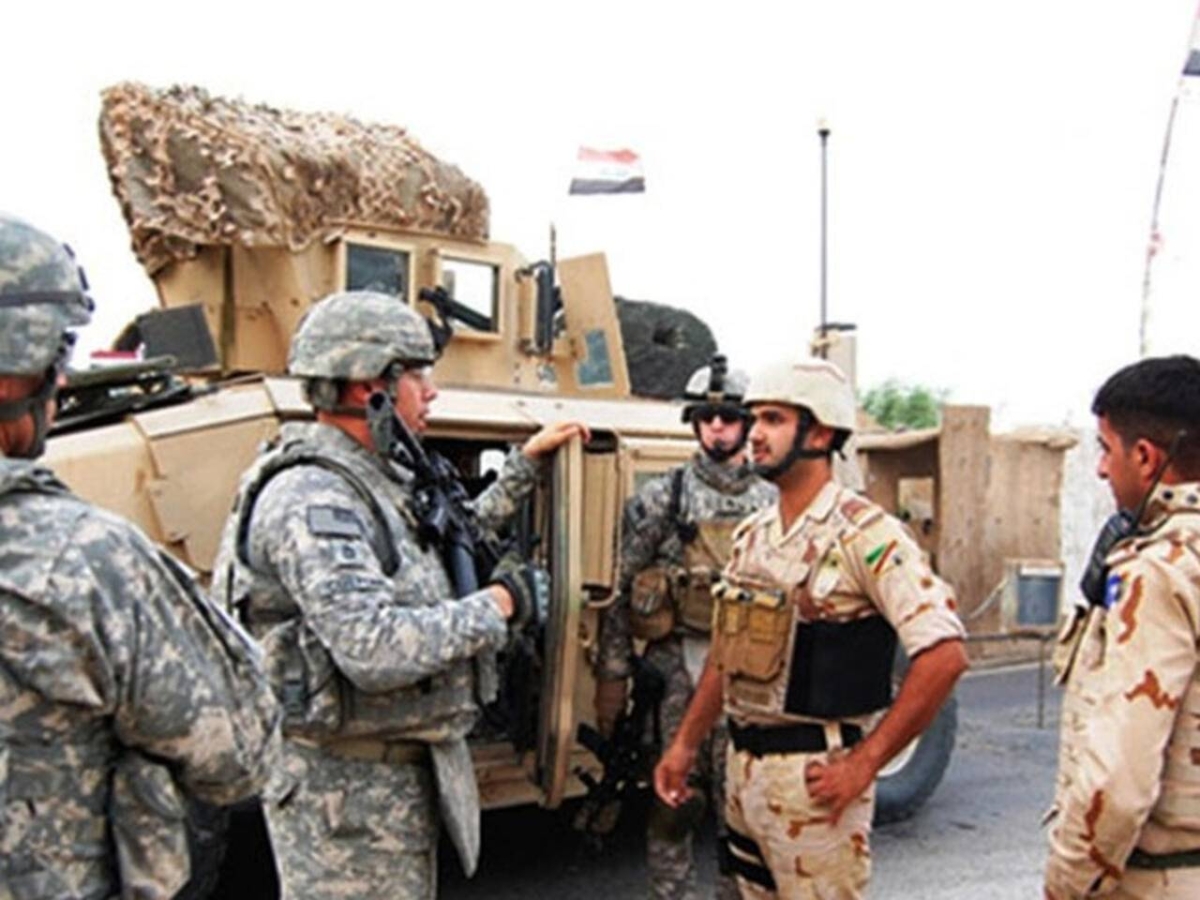
القوات الأمريكية في العراق.


تابع قناة عكاظ على الواتساب
رياض منصور (بغداد) riyadmansour@
What prompted the United States to carry out a rapid withdrawal of its military forces from Iraq? This is a question that no one in Iraq can answer, but official decision-making circles in the capital Baghdad are secretly discussing fears surrounding this swift withdrawal, which contradicts the agreements made with Washington in this regard. These circles do not hide the fact that the withdrawal of American troops places the country in potential confrontation with about "40,000 ISIS members," alongside the growing possibility of "Israeli strikes."
The Iraqi government stated in a brief position that the order for the withdrawal was issued by the American embassy in Baghdad, and the evacuation process began last Sunday morning. A portion of the American forces has already left Ain al-Asad base and the Victory Base Complex (VBC) inside Baghdad Airport, indicating that the two bases will be completely evacuated in the coming days.
It added that about 2,000 American soldiers were stationed at Ain al-Asad base, along with several others at Victory Base, clarifying that part of these forces was transferred to Erbil.
Officially, the international coalition's mission in Iraq was scheduled to end by the end of 2025, according to the agreement made between Baghdad and Washington.
Iraqi politicians who spoke to "Okaz" agreed that the withdrawal of American forces in this manner and at such speed is linked to new arrangements in the region.
Former Iraqi diplomat Ali Al-Saadoun says: "There is a series of changes in the region coinciding with discussions about the withdrawal, including a potential plan for Israel to invade Gaza at the beginning of September, targeting the Houthis and resuming the war with Iran."
The Iraqi government clarified that the departure of coalition forces comes within the framework of "transferring security relations with coalition countries to normal bilateral defense relations."
In September 2024, Defense Minister Thabet Al-Abbasi revealed an agreement that stipulates ending the coalition's mission in two phases: the first phase begins in 2024 and continues until 2025, while the second phase ends in 2026.
Currently, about 2,500 American soldiers are present in Iraq as part of a training and advisory mission after their numbers were reduced following the defeat of ISIS in 2017.
In parallel, former parliament member Saad Al-Alimi warns of the possibility of Iraq facing military strikes or extremist attacks after the departure of American forces.
Al-Alimi states: "Neither Israel nor any country in the region would dare to bomb Iraq with the Americans present, but in their absence, there will be no protection in (Victoria) or (Ain al-Asad), and then the Iraqi government will bear responsibility for any aggression, whether Israeli or even from ISIS."
The Iraqi Foreign Ministry has revealed several times that Washington's intervention has prevented "Israeli strikes" on Iraq, while the 12-day war between Iran and Israel showed a significant weakness in Iraqi air defense.
It remains important that political forces in Iraq may not fully grasp the scale of the challenges, especially since ISIS may launch coordinated attacks taking advantage of the absence of American deterrence, while the Coordination Framework would be responsible if a security collapse occurs.
On the other hand, the Iraqi military leadership confirms that "ISIS" does not pose a serious threat, and the army is on high alert, while the American embassy in Baghdad expressed deep concern over the expansion of "ISIS" and "Al-Qaeda" in the region.
Last June, American forces carried out "surprise" withdrawals from Syria near the border with Iraq, raising fears of a resurgence of ISIS activity.
Iraqi officials stated that the presence of American forces on the Syrian border to combat the organization is "essential."
It is estimated that there are about 60,000 families of "ISIS" in border camps in Syria, half of whom are under the age of 20 and are steeped in extremist ideas, along with 10,000 detained leaders there, according to Jabbar Yawar, the former Secretary General of the Ministry of Peshmerga.
The withdrawal of American forces coincided with American warnings against passing the "Hashd Law," alongside a Western project aimed at "dismantling the fighters" and transforming them into small groups within the Iraqi army, which armed factions reject and threaten to respond to.
Ghazi Faisal, head of the Iraqi Center for Strategic Studies, believes that the withdrawal of Americans may open the door for an "Israeli bombing wave" targeting bases and factories for missiles and drones belonging to armed factions, noting that some of these sites include leaders from the Revolutionary Guard and Houthi fighters.
Well-known factions such as "Hezbollah Brigades," "Nujaba," and "Brigades of Sayyid al-Shuhada" refuse to hand over their weapons, asserting that "the weapon of resistance will remain even after the withdrawal of Americans" due to what they describe as "plans to target Iraq."
The Iraqi government stated in a brief position that the order for the withdrawal was issued by the American embassy in Baghdad, and the evacuation process began last Sunday morning. A portion of the American forces has already left Ain al-Asad base and the Victory Base Complex (VBC) inside Baghdad Airport, indicating that the two bases will be completely evacuated in the coming days.
It added that about 2,000 American soldiers were stationed at Ain al-Asad base, along with several others at Victory Base, clarifying that part of these forces was transferred to Erbil.
Officially, the international coalition's mission in Iraq was scheduled to end by the end of 2025, according to the agreement made between Baghdad and Washington.
Iraqi politicians who spoke to "Okaz" agreed that the withdrawal of American forces in this manner and at such speed is linked to new arrangements in the region.
Former Iraqi diplomat Ali Al-Saadoun says: "There is a series of changes in the region coinciding with discussions about the withdrawal, including a potential plan for Israel to invade Gaza at the beginning of September, targeting the Houthis and resuming the war with Iran."
The Iraqi government clarified that the departure of coalition forces comes within the framework of "transferring security relations with coalition countries to normal bilateral defense relations."
In September 2024, Defense Minister Thabet Al-Abbasi revealed an agreement that stipulates ending the coalition's mission in two phases: the first phase begins in 2024 and continues until 2025, while the second phase ends in 2026.
Currently, about 2,500 American soldiers are present in Iraq as part of a training and advisory mission after their numbers were reduced following the defeat of ISIS in 2017.
In parallel, former parliament member Saad Al-Alimi warns of the possibility of Iraq facing military strikes or extremist attacks after the departure of American forces.
Al-Alimi states: "Neither Israel nor any country in the region would dare to bomb Iraq with the Americans present, but in their absence, there will be no protection in (Victoria) or (Ain al-Asad), and then the Iraqi government will bear responsibility for any aggression, whether Israeli or even from ISIS."
The Iraqi Foreign Ministry has revealed several times that Washington's intervention has prevented "Israeli strikes" on Iraq, while the 12-day war between Iran and Israel showed a significant weakness in Iraqi air defense.
It remains important that political forces in Iraq may not fully grasp the scale of the challenges, especially since ISIS may launch coordinated attacks taking advantage of the absence of American deterrence, while the Coordination Framework would be responsible if a security collapse occurs.
On the other hand, the Iraqi military leadership confirms that "ISIS" does not pose a serious threat, and the army is on high alert, while the American embassy in Baghdad expressed deep concern over the expansion of "ISIS" and "Al-Qaeda" in the region.
Last June, American forces carried out "surprise" withdrawals from Syria near the border with Iraq, raising fears of a resurgence of ISIS activity.
Iraqi officials stated that the presence of American forces on the Syrian border to combat the organization is "essential."
It is estimated that there are about 60,000 families of "ISIS" in border camps in Syria, half of whom are under the age of 20 and are steeped in extremist ideas, along with 10,000 detained leaders there, according to Jabbar Yawar, the former Secretary General of the Ministry of Peshmerga.
The withdrawal of American forces coincided with American warnings against passing the "Hashd Law," alongside a Western project aimed at "dismantling the fighters" and transforming them into small groups within the Iraqi army, which armed factions reject and threaten to respond to.
Ghazi Faisal, head of the Iraqi Center for Strategic Studies, believes that the withdrawal of Americans may open the door for an "Israeli bombing wave" targeting bases and factories for missiles and drones belonging to armed factions, noting that some of these sites include leaders from the Revolutionary Guard and Houthi fighters.
Well-known factions such as "Hezbollah Brigades," "Nujaba," and "Brigades of Sayyid al-Shuhada" refuse to hand over their weapons, asserting that "the weapon of resistance will remain even after the withdrawal of Americans" due to what they describe as "plans to target Iraq."


