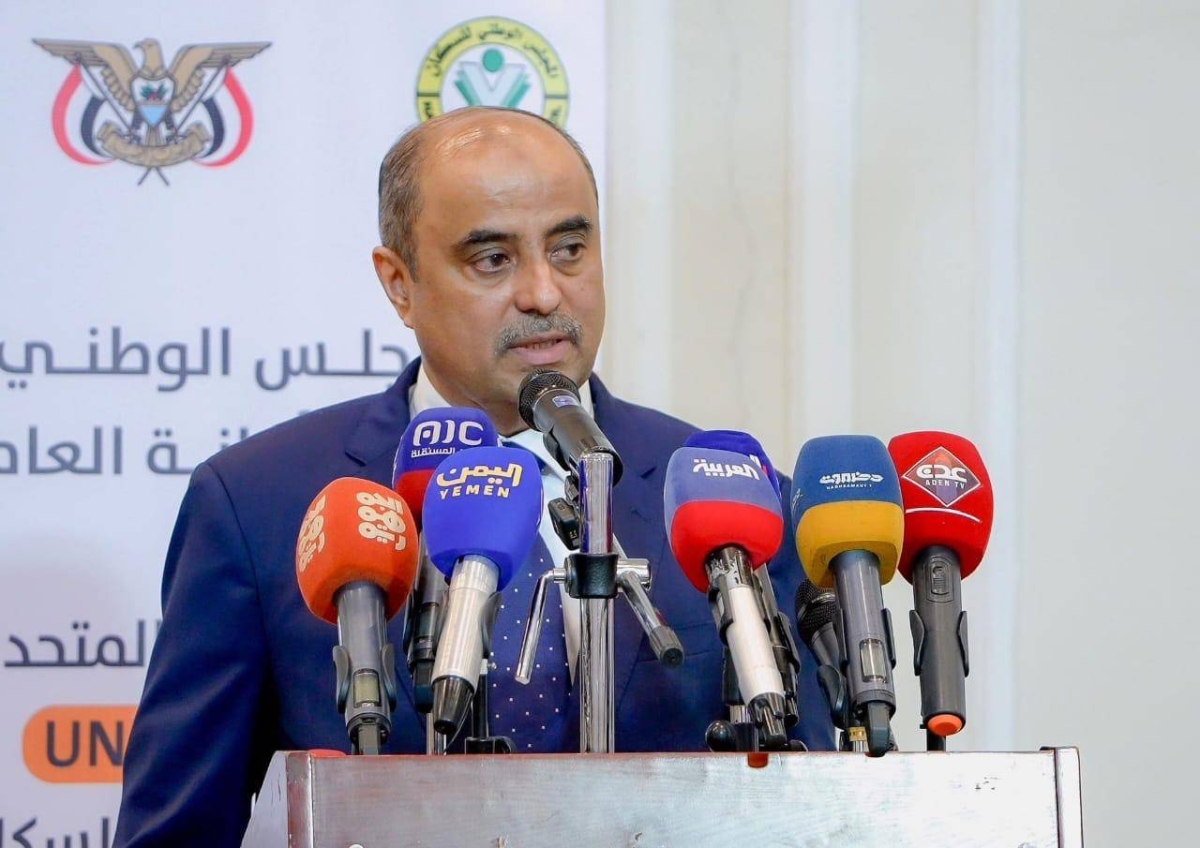
أكد رئيس الوزراء اليمني سالم بن بريك أن "بناء الدولة يبدأ من رعاية المواطن وحماية حقوقه وحرياته وضمان حصوله على التعليم والصحة والعمل والحياة الكريمة".
وقال خلال الاحتفال باليوم العالمي للسكان الذي أقامه المجلس الوطني للسكان بالتعاون مع صندوق الأمم المتحدة للسكان بالعاصمة المؤقتة عدن، إن اليمن لديها قوة هائلة للتغير تتمثل بشريحة الشباب، حيث يقدر عددهم بنحو 12 مليون شاب وشابة في الفئة العمرية 15-29 عاماً،
منوهاً بأن المسؤولية المشتركة تتطلب الاستثمار في هذه الطاقات الواعدة والعمل في تعزيز فرص التعليم النوعي والرعاية الصحية الشاملة، وتوفير فرص العمل المنتج، بما يمكِّن الشباب من الإسهام الفاعل في دفع عجلة التنمية المستدامة، من أجل المستقبل الواعد للبلد. لافتاً إلى أن الاحتفال باليوم العالمي للسكان يعد مناسبة سنوية لاستحضار أهمية الاستثمار في الإنسان باعتباره الثروة الحقيقية وركيزة التنمية المستدامة وأساس النهضة الشاملة، إضافة إلى تعزيز الوعي بالقضايا المتعلقة بالسكان والصحة والأسرة.
مؤكداً أن الحكومة تولي أهمية خاصة للسياسات السكانية والتنموية إدراكاً منها للترابط الوثيق بين النمو السكاني والتنمية الاقتصادية والاجتماعية، موضحاً أن التخطيط السليم للموارد وتحسين الخدمات الأساسية، وتمكين المرأة والشباب، وتعزيز الصحة الإنجابية، تعد أولويات وطنية لا غنى عنها لتحقيق التوازن بين النمو السكاني ومتطلبات التنمية. مستعرضاً الظروف الاستثنائية الصعبة التي تعيشها اليمن جراء الحرب وتداعياتها الإنسانية والاقتصادية والاجتماعية، وما خلّفته من تحديات كبيرة مست الأمن الغذائي والخدمات الصحية والتعليم وفرص العمل، إلى جانب النزوح الداخلي وتزايد معدلات الفقر والبطالة.
وقال رئيس الحكومة سالم بن بريك إنه مع كل ذلك فقد أثبت الشعب اليمني قدرته على الصمود ومواجهة الأزمات، وهو ما يلقي على عاتقنا مسؤولية الارتقاء إلى مستوى تطلعات وطموح الشعب الذي قاوم كل تلك الظروف ورفض الاستسلام والهزيمة وهو ما يتطلب منا مضاعفة الجهود لتوفير احتياجات الشعب من أجل مستقبل أفضل لأبنائنا. مشدداً على ضرورة أن تراجع المؤسسات الحكومية الأولويات بشكل مستمر وبما ينسجم مع طبيعة التحديات الراهنة، وقال: «في ظل الحروب والأزمات الاقتصادية العاصفة، واضطراب سلاسل الإمداد، وتنامي التهديدات للأمن الغذائي إضافة إلى التغيرات المناخية تبرز الحاجة الملحة إلى إعادة ترتيب السياسات والبرامج الوطنية على أسس علمية، ولا سبيل إلى ذلك إلا بالاعتماد على بيانات سكانية دقيقة تسهم في صياغة سياسات اقتصادية واجتماعية واقعية ورشيدة قادرة على مواجهة التحديات وبناء مستقبل مستدام».
منوهًا إلى التزام الحكومة بالعمل مع الشركاء في الداخل والخارج لوضع السياسات والبرامج التي تراعي البعد السكاني، وتفتح آفاقاً أوسع للاستثمار في رأس المال البشري بما ينسجم مع أهداف التنمية المستدامة 2030، داعياً المجتمع الدولي إلى مواصلة دعم اليمن في هذا المسار من خلال بناء القدرات، ودعم برامج الصحة والتعليم وتمكين الفئات الأكثر ضعفاً، لاسيما النساء والأطفال والشباب.
مؤكدا أن الحكومة ستظل شريكاً فاعلاً في كل ما من شأنه خدمة المواطن وإتخاذ كل ما يلزم من أجل بناء مستقبل مزدهر للأجيال القادمة.
The Yemeni Prime Minister, Salem bin Breik, confirmed that "building the state begins with caring for the citizen, protecting their rights and freedoms, and ensuring their access to education, health, work, and a decent life."
During the celebration of World Population Day, organized by the National Population Council in cooperation with the United Nations Population Fund in the temporary capital, Aden, he stated that Yemen has a tremendous potential for change represented by the youth segment, with an estimated number of about 12 million young men and women in the age group of 15-29 years.
He noted that shared responsibility requires investing in these promising energies and working to enhance opportunities for quality education, comprehensive healthcare, and providing productive job opportunities, enabling youth to actively contribute to driving sustainable development for a promising future for the country. He pointed out that the celebration of World Population Day is an annual occasion to highlight the importance of investing in people as the true wealth and cornerstone of sustainable development and the foundation of comprehensive renaissance, in addition to raising awareness of issues related to population, health, and family.
He emphasized that the government places special importance on population and development policies, recognizing the close link between population growth and economic and social development. He explained that proper planning of resources, improving basic services, empowering women and youth, and enhancing reproductive health are national priorities essential for achieving a balance between population growth and development needs. He reviewed the difficult exceptional circumstances Yemen is experiencing due to the war and its humanitarian, economic, and social repercussions, which have created significant challenges affecting food security, healthcare, education, and job opportunities, alongside internal displacement and rising rates of poverty and unemployment.
Prime Minister Salem bin Breik stated that despite all this, the Yemeni people have proven their ability to endure and face crises, which places on us the responsibility to rise to the aspirations and ambitions of a people who have resisted all those circumstances and refused to surrender and be defeated. This requires us to double our efforts to meet the needs of the people for a better future for our children. He stressed the necessity for government institutions to continuously review priorities in line with the nature of current challenges, saying: "In light of wars, severe economic crises, supply chain disruptions, and growing threats to food security, in addition to climate changes, there is an urgent need to rearrange national policies and programs on scientific bases, and the only way to achieve this is by relying on accurate population data that contributes to formulating realistic and prudent economic and social policies capable of facing challenges and building a sustainable future."
He pointed out the government's commitment to working with partners both domestically and internationally to develop policies and programs that consider the population dimension and open broader horizons for investment in human capital in line with the Sustainable Development Goals 2030, calling on the international community to continue supporting Yemen in this path through capacity building, supporting health and education programs, and empowering the most vulnerable groups, especially women, children, and youth.
He affirmed that the government will remain an active partner in everything that serves the citizen and will take all necessary measures to build a prosperous future for the coming generations.