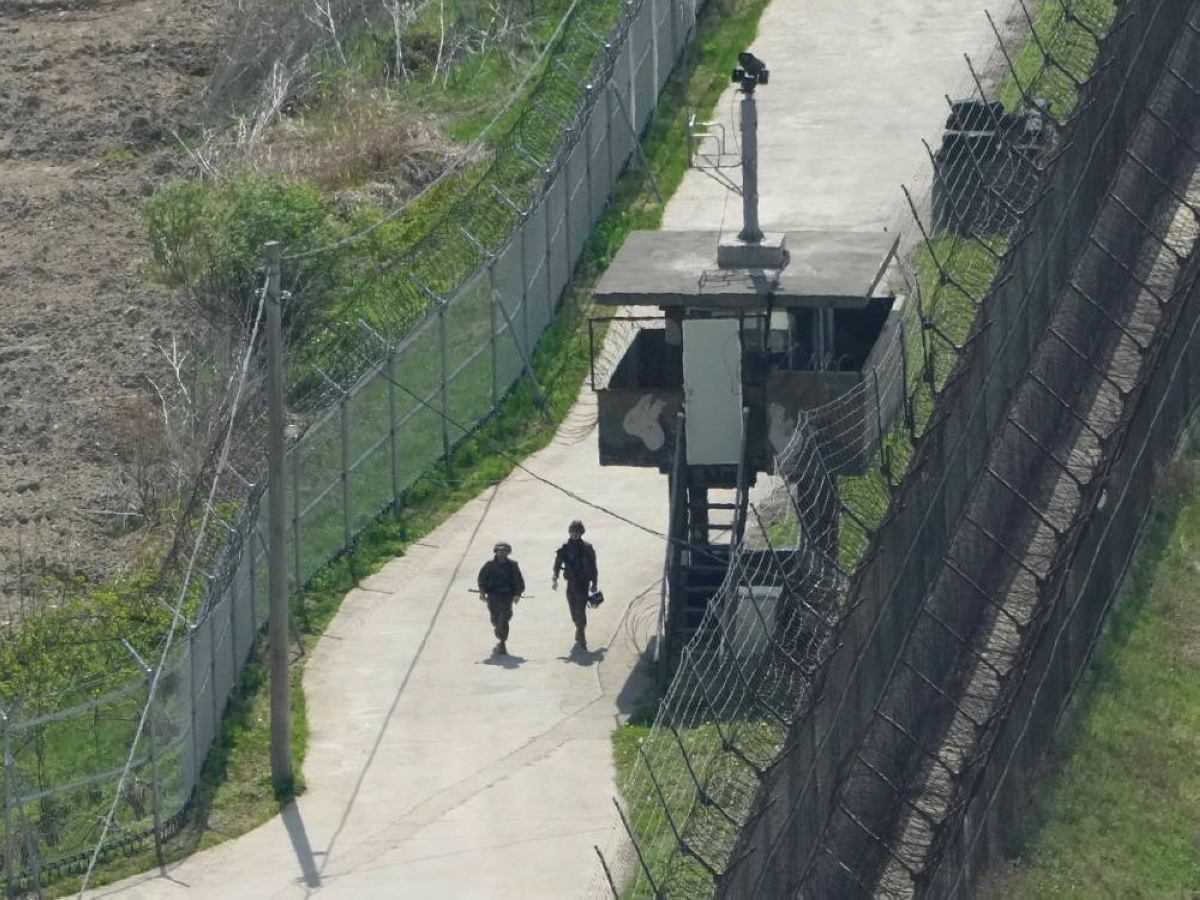
أعلنت السلطات في كوريا الجنوبية أن قواتها العسكرية أطلقت طلقات تحذيرية يوم الثلاثاء، 19 أغسطس، بعد أن عبرت مجموعة من الجنود الكوريين الشماليين الخط الفاصل العسكري في المنطقة المنزوعة السلاح (DMZ) التي تفصل بين الكوريتين.
وجاء هذا الإعلان رداً على بيان صادر عن وكالة الأنباء المركزية الكورية الشمالية، التي اتهمت كوريا الجنوبية بارتكاب «استفزاز متعمد» من خلال إطلاق أكثر من 10 طلقات تحذيرية باستخدام مدفع رشاش عيار 12.7 ملم تجاه جنود كوريين شماليين كانوا يعملون على مشروع تعزيز الحدود.
وأكدت كوريا الجنوبية أن الجنود الشماليين عادوا إلى أراضيهم بعد التحذير دون وقوع أي تبادل لإطلاق النار، وذلك في ظل التوترات المتصاعدة بين البلدين المتجاورين، حيث تُعد المنطقة المنزوعة السلاح التي تمتد بطول 248 كيلومتراً وعرض 4 كيلومترات- واحدة من أكثر الحدود تحصيناً في العالم، مع وجود ملايين الألغام وأسلاك شائكة وقوات عسكرية من الجانبين.
وفي أكتوبر 2024، أعلنت كوريا الشمالية عزمها إغلاق حدودها الجنوبية بشكل دائم، وقامت بتفجير أجزاء من الطرق والسكك الحديدية التي تربط بين الدولتين رمزياً، مشيرة إلى أنها أبلغت القوات الأمريكية في كوريا الجنوبية بهذا القرار لتجنب «سوء التقدير أو الصراع العرضي».
ووفقاً لبيان اللواء كو جونغ تشول، نائب رئيس هيئة الأركان العامة للجيش الشعبي الكوري الشمالي، فإن الجنود الشماليين كانوا يعملون على مشروع لبناء حواجز دائمة لإغلاق الحدود عندما تم استهدافهم بالطلقات التحذيرية، واعتبر هذا التصرف «استفزازاً خطيراً» قد يؤدي إلى تصعيد «لا يمكن السيطرة عليه».
وهددت كوريا الشمالية باتخاذ «إجراءات مضادة» إذا استمرت مثل هذه الأعمال، من جانبها، أشارت القيادة العسكرية الكورية الجنوبية إلى أن الجنود الشماليين عَبروا الخط الفاصل أثناء أعمال بناء، ولم تُعتبر الحادثة متعمدة بسبب الطبيعة الكثيفة للغابات في المنطقة التي قد تحجب علامات الحدود.
تأتي هذه الحادثة في ظل جهود الرئيس الكوري الجنوبي الجديد، لي جاي ميونغ، المنتخب في يونيو الماضي، لتخفيف التوترات عبر تعزيز «الثقة العسكرية» واستعادة اتفاق عسكري بين الكوريتين وقّع عام 2018، ومع ذلك رفضت كوريا الشمالية هذه المبادرات، حيث أعلنت كيم يو جونغ، شقيقة الزعيم كيم جونغ أون، أن بلادها «ليس لديها رغبة في تحسين العلاقات مع سيول».
The authorities in South Korea announced that their military forces fired warning shots on Tuesday, August 19, after a group of North Korean soldiers crossed the military demarcation line in the demilitarized zone (DMZ) that separates the two Koreas.
This announcement came in response to a statement issued by the Korean Central News Agency, which accused South Korea of committing a "deliberate provocation" by firing more than 10 warning shots using a 12.7 mm machine gun towards North Korean soldiers who were working on a border reinforcement project.
South Korea confirmed that the North Korean soldiers returned to their territory after the warning without any exchange of gunfire, amid rising tensions between the neighboring countries, as the demilitarized zone, which stretches 248 kilometers long and 4 kilometers wide, is one of the most fortified borders in the world, with millions of landmines, barbed wire, and military forces from both sides.
In October 2024, North Korea announced its intention to permanently close its southern border and symbolically blew up parts of the roads and railways connecting the two countries, indicating that it had informed U.S. forces in South Korea of this decision to avoid "miscalculation or accidental conflict."
According to a statement from General Ko Jong Chol, Vice Chairman of the General Staff of the Korean People's Army, the North Korean soldiers were working on a project to build permanent barriers to close the border when they were targeted by warning shots, and this action was considered a "serious provocation" that could lead to an "uncontrollable escalation."
North Korea threatened to take "countermeasures" if such actions continued; for its part, the South Korean military leadership indicated that the North Korean soldiers crossed the demarcation line during construction work, and the incident was not considered intentional due to the dense forest in the area that might obscure border signs.
This incident comes amid efforts by the new South Korean president, Yoon Suk-yeol, elected last June, to ease tensions by enhancing "military trust" and restoring a military agreement between the two Koreas signed in 2018; however, North Korea rejected these initiatives, as Kim Yo-jong, sister of leader Kim Jong-un, stated that her country "has no desire to improve relations with Seoul."