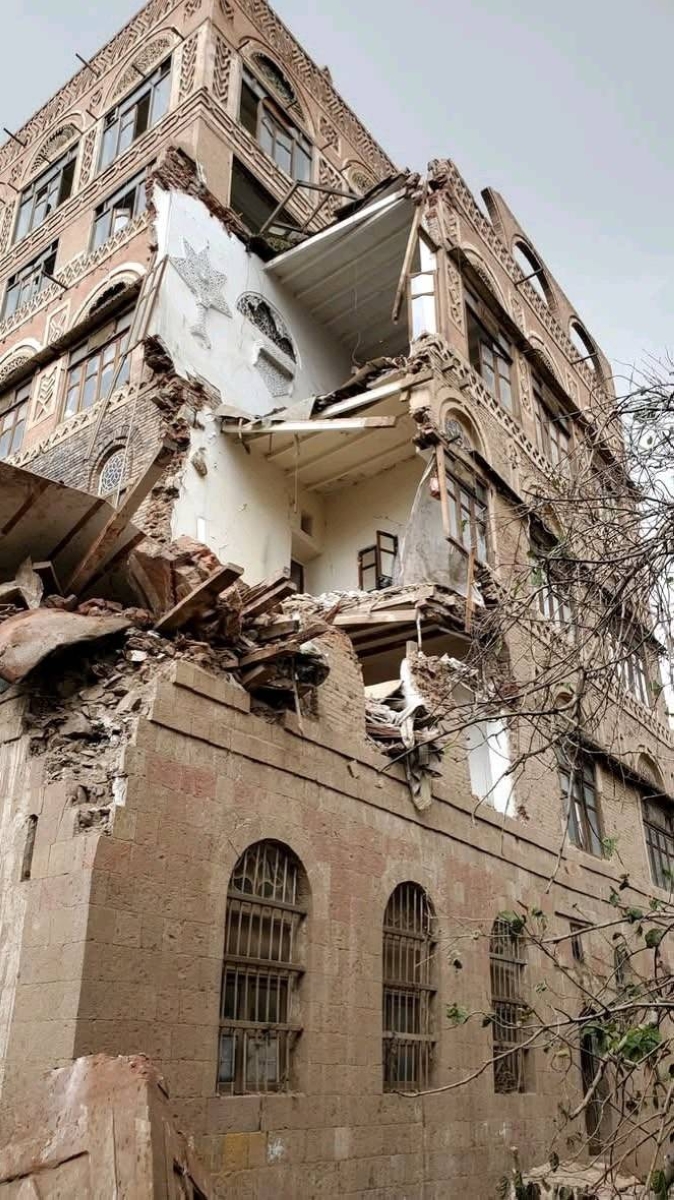
وسط استمرار الأمطار على عدد من المحافظات اليمنية، بينها صنعاء، ووسط تخاذل الحوثيين عن ترميم المنازل الأثرية القديمة، انهار منزلان أثريان، اليوم (السبت)، في مدينة صنعاء القديمة جراء الأمطار الغزيرة التي شهدتها.
واتّهم ناشطون يمنيون في صنعاء جماعة الحوثي بنهب أموال الهيئة العامة للحفاظ على المدن التاريخية، والاستفادة منها لصالح منازل قياداتها وعدد من الموالين لها، فيما تُركت المنازل الأثرية تتعرض للتدمير، مؤكدين أن عملية الترميم التي تنفذها الهيئة العامة للحفاظ على المدن التاريخية، والتي يسيطر عليها الحوثيون، تخضع لشروط عنصرية ووساطات ومحسوبية.
وأفاد الناشطون أن المنزلين اللذين دُمّرا بشكل كلي يقعان في حارة الحرقان بصنعاء القديمة، مؤكدين أن هناك منزلاً ثالثاً تعرض لأضرار بالغة، محمّلين الهيئة المسؤولية الكاملة، كون المدينة التاريخية مدرجة على قائمة التراث العالمي، وبالتالي يجب تنفيذ إصلاحات عاجلة للمنازل الآيلة للسقوط.
وشهدت اليمن أمطاراً غزيرة وسيولاً جارفة وصواعق رعدية في محافظات: عدن، تعز، لحج، حضرموت، شبوة، الحديدة، حجة، مأرب، أبين، سقطرى، أدت إلى وفاة 15 شخصاً، بينهم أطفال، وجرح 6 آخرين، نتيجة السيول وانهيار المنازل والصواعق الرعدية، وفقاً لما رصدته وسائل إعلام محلية ومراكز الدفاع المدني.
واجتاحت السيول الجارفة، اليوم، محافظتي عدن ولحج. وبحسب شهود عيان، فإن مناطق الوهط بمحافظة لحج، ومنطقتي بئر أحمد والحسوة في العاصمة المؤقتة عدن، شهدت تدفقاً كبيراً للسيول القادمة من المرتفعات الشمالية.
وذكرت وسائل إعلام يمنية أن سيارة تقل سبعة أشخاص جرفتها السيول في منطقة الحسوة، وتم إنقاذ عدد منهم، فيما لم تُعرف بعد تفاصيل مصير الباقين. كما تسببت السيول في انهيار جزئي لجسر العرائس في منطقة العند، ما أدى إلى انقطاع الطريق وتعطّل حركة المرور بشكل مؤقت، إضافة إلى أضرار جزئية في الأراضي الزراعية والمنازل والممتلكات.
وفي محافظة تعز، تعرض الطريق الدولي الرابط بين تعز والقبيطة ولحج، عند نقيل ضمران، لانهيار صخري بسبب الأمطار، ما أدى إلى خروجه عن الخدمة وتعطّل حركة المرور.
وبحسب المؤسسة العامة للمياه، فإن السيول في عدن تسببت بتوقف تموين المياه من حقل بئر أحمد، جراء تعرض الخطوط لأضرار جسيمة.
في الوقت ذاته، اطّلع رئيس مجلس القيادة الرئاسي، الدكتور رشاد محمد العليمي، من رئيس الوزراء، سالم صالح بن بريك، على الإجراءات الحكومية المتخذة للحد من آثار المنخفض الجوي، وحالة الطقس غير المستقرة التي تسببت بهطول أمطار غزيرة، خصوصاً في العاصمة المؤقتة عدن، ومحافظات حضرموت، ولحج، وشبوة.
واستمع رئيس مجلس القيادة الرئاسي إلى تقرير أولي بشأن الأضرار التي خلفتها السيول والأمطار الغزيرة في الممتلكات العامة والخاصة، والحيازات الزراعية، والطرقات، والبنى التحتية، والخدمات الأساسية، والجهود المنسقة مع مختلف الجهات المعنية والمنظمات الإقليمية والدولية لتقديم العون، وعمليات الإنقاذ والمساعدة للمتضررين والعائلات المنكوبة.
وأكد رئيس مجلس القيادة الرئاسي أهمية العمل على سياسات أكثر استدامة، لرفع قدرات مراكز الإنذار المبكر، والتكيف مع المتغيرات المناخية، خصوصاً في المحافظات الشرقية من البلاد.
Amid the ongoing rains in several Yemeni provinces, including Sana'a, and the Houthi group's negligence in restoring ancient heritage homes, two ancient houses collapsed today (Saturday) in the old city of Sana'a due to the heavy rains that were witnessed.
Yemeni activists in Sana'a accused the Houthi group of embezzling funds from the General Authority for the Preservation of Historic Cities and benefiting from them for the homes of its leaders and several of its loyalists, while the ancient homes were left to face destruction. They confirmed that the restoration process carried out by the General Authority for the Preservation of Historic Cities, which is controlled by the Houthis, is subject to discriminatory conditions, mediations, and favoritism.
The activists reported that the two completely destroyed houses are located in the Harat Al-Harqan in old Sana'a, confirming that there is a third house that suffered severe damage, holding the authority fully responsible, as the historic city is listed on the World Heritage List, and thus urgent repairs must be implemented for the houses at risk of collapse.
Yemen has witnessed heavy rains, flash floods, and thunderstorms in the provinces of Aden, Taiz, Lahij, Hadramaut, Shabwa, Al Hudaydah, Hajjah, Marib, Abyan, and Socotra, resulting in the deaths of 15 people, including children, and injuring 6 others due to the floods, the collapse of houses, and thunderstorms, according to what local media and civil defense centers reported.
The flash floods swept through the provinces of Aden and Lahij today. According to eyewitnesses, the Al-Wahd area in Lahij province, and the Bir Ahmad and Al-Hasswa areas in the temporary capital Aden, witnessed a significant flow of floods coming from the northern highlands.
Yemeni media reported that a vehicle carrying seven people was swept away by the floods in the Al-Hasswa area, and several of them were rescued, while the fate of the others is still unknown. The floods also caused a partial collapse of the Al-Araees Bridge in the Al-‘Ain area, leading to a temporary road closure and disruption of traffic, in addition to partial damage to agricultural lands, houses, and properties.
In Taiz province, the international road linking Taiz, Al-Qubayta, and Lahij, at the Naqil Dhamran, suffered a rockslide due to the rains, which led to its closure and disruption of traffic.
According to the General Water Corporation, the floods in Aden caused a halt in water supply from the Bir Ahmad field due to severe damage to the pipelines.
At the same time, the President of the Presidential Leadership Council, Dr. Rashad Muhammad Al-Alimi, was briefed by the Prime Minister, Salem Saleh Bin Breik, on the government measures taken to mitigate the effects of the low atmospheric pressure and the unstable weather that caused heavy rains, especially in the temporary capital Aden, and the provinces of Hadramaut, Lahij, and Shabwa.
The President of the Presidential Leadership Council listened to an initial report on the damages caused by the floods and heavy rains to public and private properties, agricultural holdings, roads, infrastructure, and essential services, as well as the coordinated efforts with various relevant parties and regional and international organizations to provide assistance, rescue operations, and support for the affected individuals and families.
The President of the Presidential Leadership Council emphasized the importance of working on more sustainable policies to enhance the capabilities of early warning centers and adapt to climate changes, especially in the eastern provinces of the country.