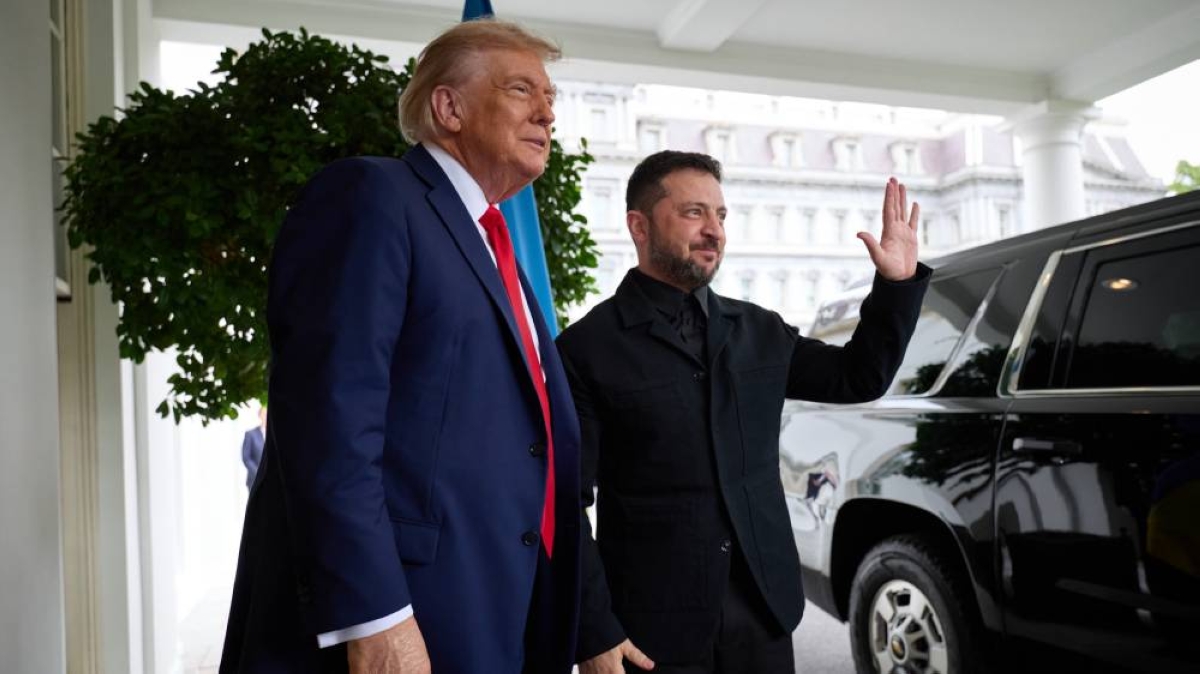
في السياسة كما في الحروب، لا تكفي الصورة لتروي الحقيقة. صورة الرئيس الأمريكي دونالد ترمب جالساً إلى جانب نظيره الأوكراني فولوديمير زيلينسكي، وحول الطاولة قادة أوروبيون يتبادلون النظرات والابتسامات الدبلوماسية، بدت كأنها لوحة عن انسجام غربي كامل.
لكن خلف العدسات كانت المعادلات أعقد بكثير: وقف نار يلوح في الأفق ثم يتبخر، ضمانات أمنية تطرح من دون أن تجد صيغة مقبولة، وحرب ما زالت تفرض إيقاعها على الجميع. من هنا يثار السؤال: هل كان الاجتماع بداية مسار نحو نهاية الحرب، أم مجرد محطة عابرة في نزاع لم يقل كلمته الأخيرة بعد؟
وحدة ظاهرية أم رسائل مبطنة؟
على طاولة الاجتماعات، ظهرت تباينات واضحة بين القوى الغربية؛ الأوروبيون يدفعون باتجاه وقف نار سريع لتخفيف الضغط الاقتصادي ووقف موجة اللاجئين، بينما تركز الإدارة الأمريكية على صياغة ضمانات إستراتيجية طويلة الأمد تهدف إلى الحدِّ من نفوذ موسكو مستقبلاً.
وهذا ما يفسر اللغة المزدوجة التي اعتمدها ترمب، إذ شدد على ضرورة الضغط على بوتين للانخراط في تسوية، لكنه لم يتردد في مطالبة أوكرانيا بإبداء «مرونة». هذه المرونة قد تُقرأ أوروبياً كخطوة تكتيكية، لكنها عند موسكو قد تفسر كإشارة إلى استعداد الغرب لفتح الباب أمام مقايضات إقليمية. وهنا تكمن أهمية متابعة التطورات: كل موقف أو كلمة قد تغير ديناميكية التفاوض بأثر ملموس على الأرض.
عقدة الضمانات الأمنية
منذ اللحظة الأولى للحرب، ظل مطلب كييف واضحاً: لا تسوية بلا مظلة أمنية صلبة. بالنسبة لزيلينسكي أي اتفاق من دون ضمانات مكتوبة وملزمة ليس سوى هدنة مؤقتة تستخدمها روسيا لإعادة التموضع.
واشنطن تعرض دعماً عسكرياً وتمويلياً طويل الأمد، لكنها لا تريد التزاماً مباشراً بنشر قوات أو الدخول في معاهدة دفاع جماعي. الأوروبيون من جهتهم، يحاولون بلورة صيغة بينية: شراكة أمنية- اقتصادية تضع أوكرانيا تحت رعاية غربية عملية، لكن من دون استفزاز صريح لموسكو.
أما الكرملين فيرى في أي ضمانات تمنح لكييف مجرد باب خلفي لتوسيع حلف شمال الأطلسي (الناتو)، هكذا تتحول الضمانات إلى عقدة مفصلية: هل يمكن صياغة إطار أمني يرضي كييف ولا يستفز موسكو في آن؟ سؤال لا يزال بلا إجابة.
تفاؤل أوروبي يصطدم بالواقع
التفاؤل الأوروبي بوقف نار تمهيدي يصطدم يومياً بالواقع الميداني. فبينما كانت الوفود تجتمع في واشنطن، كانت الهجمات الروسية على المدن مستمرة، مستهدفة البنى التحتية الحيوية. الرسالة واضحة: موسكو تفاوض من دون أن تكف عن القتال.
زيلينسكي أعلن مراراً أنه لن يقبل بوقف نار يجمد خطوط التماس من دون جدول زمني للانسحاب الروسي أو على الأقل آلية مراقبة دولية صارمة. بالنسبة إليه، أي وقف نار غير مشروط يعني ترسيخ احتلال الأمر الواقع. هنا يظهر الفارق بين الحلم والأوهام: الحلم أن ينتهي النزيف، والوهم أن يتحقق ذلك من دون ضمانات سياسية وأمنية.
الميدان يحكم: من يفاوض من موقع قوة؟
الحرب دخلت مرحلة استنزاف قاسية. الجبهات شبه ثابتة منذ أشهر، الخسائر تتزايد، والقدرات الاقتصادية للطرفين تتعرض لضغط هائل. روسيا تراهن على عامل الوقت: ارتفاع أسعار الطاقة، تعب الرأي العام الغربي، وتآكل قدرة كييف على مواصلة الحرب بلا دعم خارجي متواصل.
في المقابل، أوكرانيا تراهن على استمرار تدفق السلاح والمال، وعلى أن ينجح الغرب في إبقاء بوتين تحت حصار اقتصادي وعسكري يمنعه من تحقيق انتصار حاسم. لكن السؤال يبقى: من يملك ترف رفض التسوية؟ روسيا التي لا تريد أن تبدو مهزومة، أم أوكرانيا التي لا تستطيع التنازل عن سيادتها؟
قادم الأيام.. أسئلة استشرافية
الحرب لم تضع أوزارها بعد. الدبلوماسية أعادت فتح النوافذ لكنها لم تفتح الأبواب. الضمانات الأمنية لا تزال عقدة، ووقف النار مؤجل، والميدان لا يمنح أي طرف أفضلية قاطعة.
ما يجعل مستقبل الحرب في أوكرانيا مفتوحاً هو سلسلة من المتغيرات الحرجة: إذا قررت موسكو تصعيد العمليات في الجنوب، كيف ستتغير موازين التفاوض؟ هل تستطيع كييف الاستمرار بلا دعم غربي طويل الأمد، وماذا يعني ذلك لمستقبل الحرب؟ وإذا فشل أي اتفاق، هل تتحول أوكرانيا إلى حالة صمت المدافع الممتدة لسنوات، تاركة أوروبا أمام واقع أمني جديد ومعقد؟
ويبقى السؤال الأبرز: هل ستنجح الدبلوماسية هذه المرة في تحويل التوتر إلى تسوية قابلة للحياة، أم أن الأيام القادمة ستشهد استمرار النزاع في شكل جديد، حيث تبقى الحدود بين الانتصار والهزيمة ضبابية، ولا أحد يملك مفتاح نهاية المعركة؟
In politics as in wars, a picture alone is not enough to tell the truth. The image of U.S. President Donald Trump sitting next to his Ukrainian counterpart Volodymyr Zelensky, with European leaders around the table exchanging diplomatic glances and smiles, appeared to be a painting of complete Western harmony.
But behind the lenses, the equations were much more complex: a ceasefire looming on the horizon only to evaporate, security guarantees being proposed without finding an acceptable formula, and a war that continues to impose its rhythm on everyone. Hence arises the question: Was the meeting the beginning of a path toward the end of the war, or just a fleeting stop in a conflict that has not yet said its last word?
Apparent unity or veiled messages?
At the meeting table, clear disparities emerged among Western powers; Europeans are pushing for a swift ceasefire to alleviate economic pressure and halt the wave of refugees, while the U.S. administration is focusing on crafting long-term strategic guarantees aimed at curbing Moscow's influence in the future.
This explains Trump's dual language, as he emphasized the need to pressure Putin to engage in a settlement, yet he did not hesitate to urge Ukraine to show "flexibility." This flexibility may be interpreted in Europe as a tactical step, but in Moscow, it could be seen as a signal of the West's readiness to open the door to regional exchanges. Here lies the importance of following developments: every position or word could change the dynamics of negotiations with a tangible impact on the ground.
The knot of security guarantees
From the very first moment of the war, Kyiv's demand has been clear: no settlement without a solid security umbrella. For Zelensky, any agreement without written and binding guarantees is merely a temporary truce that Russia would use to reposition itself.
Washington offers long-term military and financial support, but it does not want a direct commitment to deploy troops or enter into a collective defense treaty. The Europeans, for their part, are trying to formulate an intermediate solution: a security-economic partnership that places Ukraine under practical Western oversight, but without explicitly provoking Moscow.
As for the Kremlin, it sees any guarantees offered to Kyiv as merely a backdoor to expand NATO, thus turning guarantees into a pivotal knot: can a security framework be crafted that satisfies Kyiv without provoking Moscow at the same time? This question remains unanswered.
European optimism collides with reality
European optimism for a preliminary ceasefire collides daily with the on-ground reality. While delegations were meeting in Washington, Russian attacks on cities continued, targeting vital infrastructure. The message is clear: Moscow negotiates without ceasing to fight.
Zelensky has repeatedly stated that he will not accept a ceasefire that freezes the front lines without a timeline for Russian withdrawal or at least a strict international monitoring mechanism. For him, any unconditional ceasefire means entrenching the status quo of occupation. Here lies the difference between dreams and illusions: the dream is to end the bleeding, while the illusion is that this can happen without political and security guarantees.
The field dictates: who negotiates from a position of strength?
The war has entered a harsh phase of attrition. The fronts have been nearly static for months, losses are increasing, and the economic capabilities of both sides are under immense pressure. Russia bets on the factor of time: rising energy prices, fatigue of Western public opinion, and the erosion of Kyiv's ability to continue the war without sustained external support.
In contrast, Ukraine bets on the continued flow of weapons and money, and on the West's success in keeping Putin under an economic and military siege that prevents him from achieving a decisive victory. But the question remains: who has the luxury of rejecting a settlement? Russia, which does not want to appear defeated, or Ukraine, which cannot concede its sovereignty?
The coming days... foresight questions
The war has not yet laid down its arms. Diplomacy has reopened windows but has not opened doors. Security guarantees remain a knot, and the ceasefire is postponed, with the field not granting any party a clear advantage.
What keeps the future of the war in Ukraine open is a series of critical variables: if Moscow decides to escalate operations in the south, how will the balance of negotiations change? Can Kyiv continue without long-term Western support, and what would that mean for the future of the war? And if any agreement fails, will Ukraine turn into a state of prolonged silence of the guns for years, leaving Europe facing a new and complex security reality?
And the most pressing question remains: will diplomacy succeed this time in transforming tension into a viable settlement, or will the coming days witness the continuation of the conflict in a new form, where the lines between victory and defeat remain blurred, and no one holds the key to the end of the battle?