


أفاد وزير الخارجية الإيراني عباس عراقجي، بأن طهران لم تصل بعد إلى مرحلة نضج المفاوضات مع الولايات المتحدة. وقال عراقجي في تصريح، اليوم (الأربعاء)، إن إيران لم تصل بعد لأساس من أجل المفاوضات مع أوروبا. وأكد أنه «لا يمكن قطع العلاقات مع الوكالة الذرية بالكامل»، بحسب ما نقلت عنه وكالة «إرنا».
وكان عراقجي كشف قبل أيام أن أي قرار لم يحسم بعد بشأن عودة المفاوضات مع الجانب الأمريكي، رافضا تسمية أي دولة لاستضافة محادثات محتملة.
فيما ألمح مساعد وزير الخارجية الإيراني للشؤون السياسية، مجيد تخت روانجي، إلى إمكانية تقليص الأنشطة النووية مقابل رفع العقوبات الأمريكية. وقال إن بلاده يمكن أن توافق ضمن اتفاق عادل ومربح للطرفين على قيود زمنية محددة على الأنشطة النووية السلمية، مقابل رفع العقوبات. وأفصح أن قنوات الاتصال مع الولايات المتحدة ما زالت مفتوحة عبر الوسطاء.
في غضون ذلك، أعلن وزير الاتصالات الإيراني ستار هاشمي، اليوم، انقطاع نظام تحديد المواقع العالمي (GPS) في البلاد لأسباب أمنية، مرجحاً وجود طائرات مسيرة.
وقال في تصريح تلفزيوني، إن الانقطاعات الملحوظة في طيف الترددات وإشارات نظام تحديد المواقع العالمي (GPS) تعود إلى اعتبارات أمنية، واحتمال وجود طائرات بدون طيار. وأضاف أن هذه الانقطاعات أثرت على جودة الاتصالات والأعمال المتعلقة بهذه المجالات.
ولجأت السلطات الإيرانية، منذ شنت إسرائيل حربا غير مسبوقة عليها في 13 يونيو، إلى التشويش على خدمات الملاحة وتحديد المواقع. وتقول وزارة الاتصالات إن ذلك يتم «لاعتبارات أمنية وعسكرية». وأكدت الحكومة عودة الخدمات تدريجيًا بعد الحرب، باستثناء نظام «GPS». وعمدت طهران إلى التشويش على أنظمة «جي بي إس» حول المواقع العسكرية والحساسة منذ سنوات، لكن الإجراءات الأخيرة تعد من الأطول والأوسع تأثيرًا.
توقف نظام GPS في إيران
عراقجي: المفاوضات مع أمريكا لم تنضج بعد
20 أغسطس 2025 - 13:46
|
آخر تحديث 20 أغسطس 2025 - 13:46
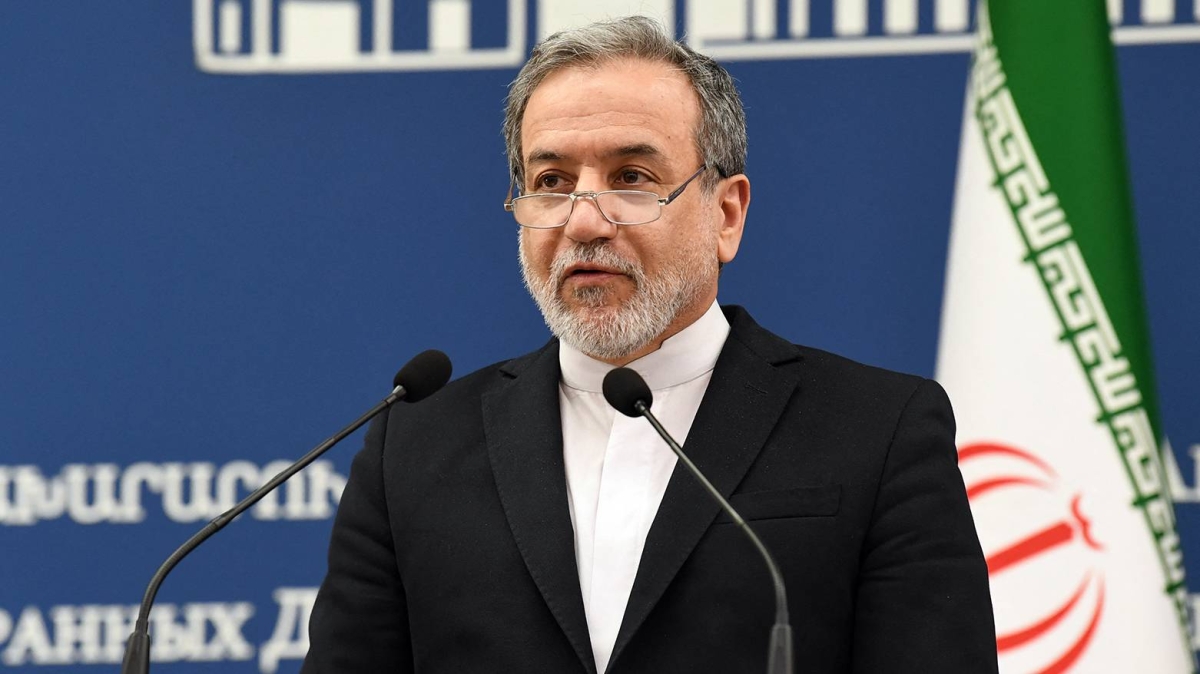
وزير الخارجية الإيراني


تابع قناة عكاظ على الواتساب
«عكاظ»، وكالات (طهران) okaz_online@
Iranian Foreign Minister Abbas Araghchi stated that Tehran has not yet reached a stage of maturity in negotiations with the United States. Araghchi said in a statement today (Wednesday) that Iran has not yet established a foundation for negotiations with Europe. He emphasized that "it is not possible to completely sever relations with the atomic agency," according to what the "IRNA" agency reported.
Araghchi revealed a few days ago that no decision has yet been made regarding the resumption of negotiations with the American side, refusing to name any country to host potential talks.
Meanwhile, Iranian Deputy Foreign Minister for Political Affairs, Majid Takht-Ravanchi, hinted at the possibility of reducing nuclear activities in exchange for lifting U.S. sanctions. He stated that his country could agree, within a fair and mutually beneficial agreement, to specific time-limited restrictions on peaceful nuclear activities in exchange for the lifting of sanctions. He disclosed that communication channels with the United States remain open through intermediaries.
In the meantime, Iranian Communications Minister Star Hashemi announced today the disruption of the Global Positioning System (GPS) in the country for security reasons, suggesting the presence of drones.
In a television statement, he said that the noticeable interruptions in the frequency spectrum and GPS signals are due to security considerations and the possibility of unmanned aerial vehicles. He added that these disruptions have affected the quality of communications and related operations.
Since Israel launched an unprecedented war against it on June 13, Iranian authorities have resorted to jamming navigation and positioning services. The Ministry of Communications states that this is done "for security and military considerations." The government confirmed the gradual return of services after the war, except for the GPS system. Tehran has been jamming GPS systems around military and sensitive sites for years, but the recent measures are among the longest and most widespread in impact.
Araghchi revealed a few days ago that no decision has yet been made regarding the resumption of negotiations with the American side, refusing to name any country to host potential talks.
Meanwhile, Iranian Deputy Foreign Minister for Political Affairs, Majid Takht-Ravanchi, hinted at the possibility of reducing nuclear activities in exchange for lifting U.S. sanctions. He stated that his country could agree, within a fair and mutually beneficial agreement, to specific time-limited restrictions on peaceful nuclear activities in exchange for the lifting of sanctions. He disclosed that communication channels with the United States remain open through intermediaries.
In the meantime, Iranian Communications Minister Star Hashemi announced today the disruption of the Global Positioning System (GPS) in the country for security reasons, suggesting the presence of drones.
In a television statement, he said that the noticeable interruptions in the frequency spectrum and GPS signals are due to security considerations and the possibility of unmanned aerial vehicles. He added that these disruptions have affected the quality of communications and related operations.
Since Israel launched an unprecedented war against it on June 13, Iranian authorities have resorted to jamming navigation and positioning services. The Ministry of Communications states that this is done "for security and military considerations." The government confirmed the gradual return of services after the war, except for the GPS system. Tehran has been jamming GPS systems around military and sensitive sites for years, but the recent measures are among the longest and most widespread in impact.


