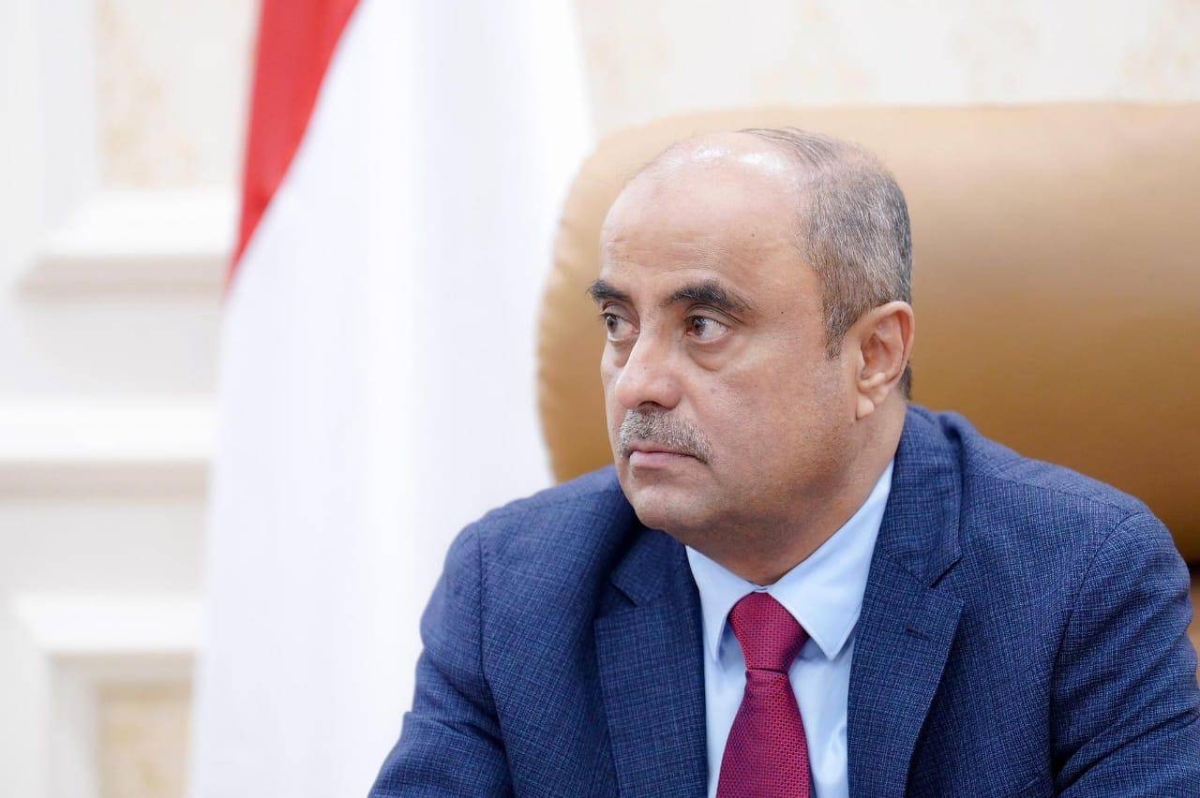
أصدر رئيس الحكومة اليمنية رئيس المجلس الأعلى للجامعات سالم بن بريك، قراراً يقضي بتوحيد الرسوم الدراسية السنوية في جميع الجامعات الحكومية، شاملاً التعليم العام والنفقة الخاصة وبرامج الدراسات العليا، ابتداءً من العام 2025/2026.
واعتمد القرار رقم (18) لسنة 2025 الصادر عن رئيس مجلس الوزراء التوصيات المرفوعة من اللجنة الوزارية المختصة بدراسة أوعية الرسوم برئاسة وزير التعليم العالي.
وشددت الحكومة على منع الجامعات من فرض رسوم إضافية أو استحداث أخرى خارج الإطار الموحد، وعلى حظر تحصيل الرسوم من الطلاب اليمنيين بأي عملة أجنبية.
وألزمت الجامعات بنشر الرسوم المعتمدة بطرق رسمية وشفافة عبر مواقعها الإلكترونية ولوحاتها الداخلية، وتقديم كشوفات معتمدة إلى وزارة التعليم العالي خلال أسبوع من صدور القرار، على أن تتولى الوزارة ذاتها متابعة التنفيذ ورفع تقارير دورية إلى مجلس الوزراء.
يذكر أن القرار تضمّن إجراءات لمراقبة الجامعات الخاصة والأهلية ومنعها من فرض رسوم بالعملة الأجنبية على الطلاب اليمنيين، في حين منح رؤساء الجامعات صلاحية تقديم إعفاءات كاملة أو جزئية من رسوم النفقة الخاصة أو الدراسات العليا للحالات الأكاديمية المتميزة أو ذات الأوضاع الإنسانية والاجتماعية، بما يكفل عدم حرمان أي طالب من حقه في التعليم.
وأكدت الحكومة أن الرسوم الموحدة تعد تدبيراً مؤقتاً، من المقرر ان تُراجع عند تحسن سعر صرف العملة الوطنية أو إذا اقتضت الظروف ذلك، بناءً على توجيهات رئيس الوزراء وبطلب من وزير التعليم العالي.
وتأتي هذه الإجراءات الحكومية في مواكبة قرار التعامل بالعملة الوطنية ومنع التعاملات بالعملات الأجنبية بالتزامن مع الإصلاحات التي نفذتها الحكومة والتحسن الذي شهدته قيمة الريال اليمني مقابل العملات الأجنبية.
The Yemeni Prime Minister and Chairman of the Supreme Council of Universities, Salem bin Breik, issued a decision to unify the annual tuition fees in all public universities, including general education, private expenses, and graduate programs, starting from the academic year 2025/2026.
The decision No. (18) for the year 2025, issued by the Prime Minister, adopted the recommendations submitted by the ministerial committee specialized in studying fee structures, chaired by the Minister of Higher Education.
The government emphasized the prohibition of universities from imposing additional fees or introducing new ones outside the unified framework, and it banned the collection of fees from Yemeni students in any foreign currency.
Universities are required to publish the approved fees in official and transparent ways through their websites and internal boards, and to submit certified statements to the Ministry of Higher Education within a week of the issuance of the decision, with the ministry itself responsible for monitoring implementation and submitting periodic reports to the Cabinet.
It is worth noting that the decision included measures to monitor private and community universities and prevent them from imposing fees in foreign currency on Yemeni students, while granting university presidents the authority to provide full or partial exemptions from private expenses or graduate fees for distinguished academic cases or those with humanitarian and social circumstances, ensuring that no student is deprived of their right to education.
The government confirmed that the unified fees are a temporary measure, set to be reviewed when the exchange rate of the national currency improves or if circumstances require it, based on the directives of the Prime Minister and at the request of the Minister of Higher Education.
These government measures come in line with the decision to deal in the national currency and to prohibit transactions in foreign currencies, coinciding with the reforms implemented by the government and the improvement witnessed in the value of the Yemeni rial against foreign currencies.