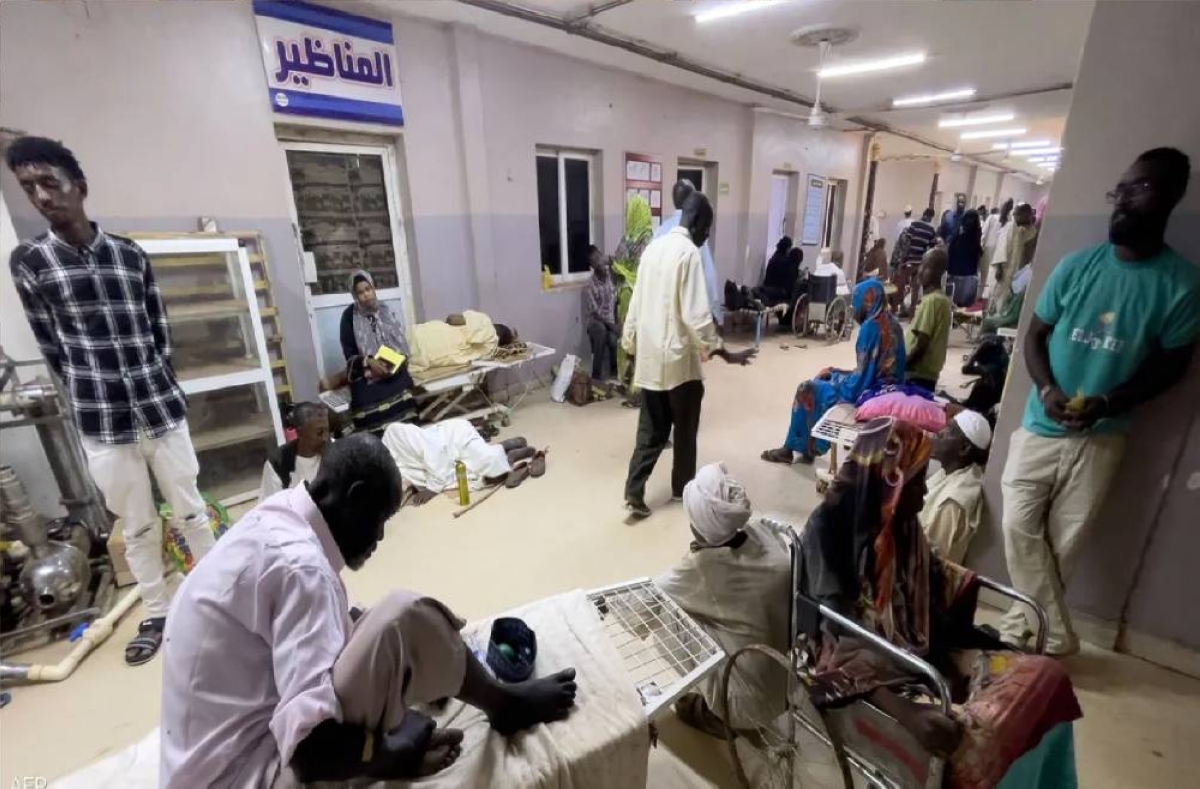
أعلن المتحدث باسم منسقية النازحين واللاجئين في إقليم دارفور بالسودان آدم رجال، اليوم (الأحد)، عن تزايد خطير في حالات تفشي الكوليرا، وسط أوضاع إنسانية مأساوية بالمعسكرات، مؤكداً أن حالات الوفاة بسبب الكوليرا بلغت أكثر من 283 شخصاً منذ 21 يوليو، فيما ارتفع العدد التراكمي للإصابات إلى 6744 حالة في إقليم دارفور.
وأوضح رجال أن أزمة المياه الحادة تدفع النازحين في دارفور لاستخدام آبار ووديان ملوثة، ما تسبب في تفاقم انتشار الكوليرا، مشدداً بالقول: «إقليم دارفور يشهد أوضاعاً إنسانية بالغة الصعوبة، مع تزايد معاناة السكان خصوصاً في مخيمات النازحين نتيجة نقص الغذاء والخدمات الأساسية».
وأشار إلى أن انتشار الكوليرا والأمراض الأخرى مثل الملاريا تفاقم بشكل كبير خلال موسم الخريف، في ظل تراكم النفايات وشح المياه النظيفة، لافتاً إلى أن الأوضاع الصحية وصلت إلى مرحلة خطيرة. وأرجع المتحدث باسم منسقية النازحين واللاجئين في إقليم دارفور السبب الرئيسي وراء تفشي الوباء إلى أزمة المياه، موضحاً أن السكان يُضطرون إلى شرب مياه الآبار المفتوحة والوديان الملوثة، ما أدى إلى تفاقم الوضع الصحي ووصوله إلى مستويات غير مسبوقة.
وكانت المنسقية قد قالت إن الوضع الصحي يمثل كارثة إنسانية، في ظل نقص الإمدادات الطبية ومراكز العزل، داعية منظمة الصحة العالمية والجهات المختصة إلى التدخل العاجل للحد من انتشار الوباء وحماية أرواح النازحين.
وأشارت المنسقية إلى أنه رغم ندرة الإمدادات الطبية، ومراكز الحجر الصحي، إلا المنظمات الإنسانية والمتطوعين المحليين، وغرف الطوارئ والسلطات المحلية يبذلون جهوداً جبارة لمكافحة المرض، مشيرة إلى أن هناك صعوبات وتحديات كبيرة جراء تزايد معدلات الإصابة والسيطرة عليها، ما يهدد حياة الناس.
The spokesperson for the Coordination of Displaced Persons and Refugees in the Darfur region of Sudan, Adam Rajal, announced today (Sunday) a serious increase in cholera outbreak cases amid tragic humanitarian conditions in the camps, confirming that the death toll from cholera has exceeded 283 people since July 21, while the cumulative number of infections has risen to 6,744 cases in the Darfur region.
Rajal explained that the acute water crisis is forcing the displaced people in Darfur to use contaminated wells and valleys, which has exacerbated the spread of cholera, emphasizing: "The Darfur region is witnessing extremely difficult humanitarian conditions, with increasing suffering among the population, especially in the displaced persons' camps due to a lack of food and basic services."
He pointed out that the spread of cholera and other diseases such as malaria has significantly worsened during the rainy season, amid the accumulation of waste and a shortage of clean water, noting that the health situation has reached a dangerous level. The spokesperson for the Coordination of Displaced Persons and Refugees in the Darfur region attributed the main reason for the outbreak to the water crisis, explaining that residents are forced to drink from open wells and contaminated valleys, which has led to a deterioration in health conditions reaching unprecedented levels.
The coordination had stated that the health situation represents a humanitarian disaster, in light of the shortage of medical supplies and isolation centers, calling on the World Health Organization and relevant authorities to intervene urgently to curb the spread of the epidemic and protect the lives of the displaced.
The coordination indicated that despite the scarcity of medical supplies and quarantine centers, humanitarian organizations, local volunteers, emergency rooms, and local authorities are making tremendous efforts to combat the disease, noting that there are significant difficulties and challenges due to the rising infection rates and controlling them, which threatens people's lives.