


في خطاب حاد اللهجة من بعلبك، اختار الأمين العام لحزب الله نعيم قاسم أن يوجه سهام انتقاداته المباشرة إلى الحكومة اللبنانية، زاعما أنها تنفذ «الأمر الأمريكي والإسرائيلي بإنهاء المقاومة»، ومحملاً إياها مسؤولية احتمال اندلاع «حرب أهلية أو فتنة داخلية».هذا الهجوم، الذي جاء في توقيت بالغ الحساسية، لا يمكن عزله عن المناخ السياسي المتوتر في لبنان، إذ يقف البلد أمام تحديات أمنية كبيرة، فيما تسعى الحكومة إلى تثبيت الاستقرار وإدارة ملفات وطنية وخلافية، وعلى رأسها سلاح حزب الله.لغة التخوين.. وإضعاف مؤسسات الدولةخطاب قاسم تضمن رسائل قاسية، أبرزها التحذير من «زج الجيش في الفتنة»، في إشارة واضحة إلى رفض أي دور عسكري قد يكلفه تنفيذ قرارات الحكومة بشأن السلاح. هذا الموقف يطرح أسئلة حول النظرة إلى الجيش كمؤسسة وطنية جامعة، ودوره في حماية السيادة وفرض سلطة الدولة على كامل أراضيها، وتعزيز الثقة بالمؤسسات، لكن الخطاب يوحي وكأن الجيش غير قادر على القيام بمسؤولياته، ما ينعكس سلباً على معنويات المؤسسة العسكرية وصورتها في الداخل والخارج.التصعيد السياسي وخطر الشارعإعلان قاسم أن «حزب الله» و«حركة أمل» اتفقا على تأجيل التظاهر لإفساح المجال للنقاش، يحمل بين طياته تهديداً مبطناً بالعودة إلى الشارع إذا لم تتراجع الحكومة عن مسارها. ورغم أن تأجيل التحركات قد يُقرأ كخطوة لخفض التوتر، إلا أن التلويح بالاحتجاجات يبقي باب المواجهة مفتوحاً، ويزيد الضغوط على الحكومة في وقت تحتاج فيه إلى أجواء هادئة لإدارة الملفات المعقدة.الانعكاسات على الداخل والخارجلا يخفى أن مثل هذه التصريحات تجد صداها خارج لبنان، حيث تتابع العواصم الغربية والعربية عن كثب مسار النقاش حول السلاح ودور حزب الله. فتوجيه اتهامات مباشرة للحكومة بالعمل لمصلحة إسرائيل يضعف الدولة ويعطي من يعنيهم الأمر الذريعة للتشكيك في وحدتها وقدرتها على اتخاذ قرارات سيادية متفق عليها داخلياً.خطاب نعيم قاسم ليس مجرد رد سياسي، بل رسالة تصعيدية تحمل في طياتها احتمالات المواجهة، وتفتح الباب على أزمة سياسية قد تتدحرج نحو الشارع إذا لم يُحسن التعامل معها. فالكلام واضح، ويمكن قراءته واختصاره من وجهة نظر الحزب، في تثبيت معادلة «السلاح مقابل البقاء»، ورفض أي خطوة حكومية تمس بالمقاومة، مع تحذير صريح من إدخال الجيش في صراع داخلي، وتأكيد أن المواجهة مع إسرائيل أولوية تتقدم على أي اعتبار آخر.
بعد خطاب تصعيدي لأمينه العام
هل اختار «حزب الله» مواجهة الدولة اللبنانية؟
15 أغسطس 2025 - 14:26
|
آخر تحديث 23 نوفمبر 2025 - 15:29
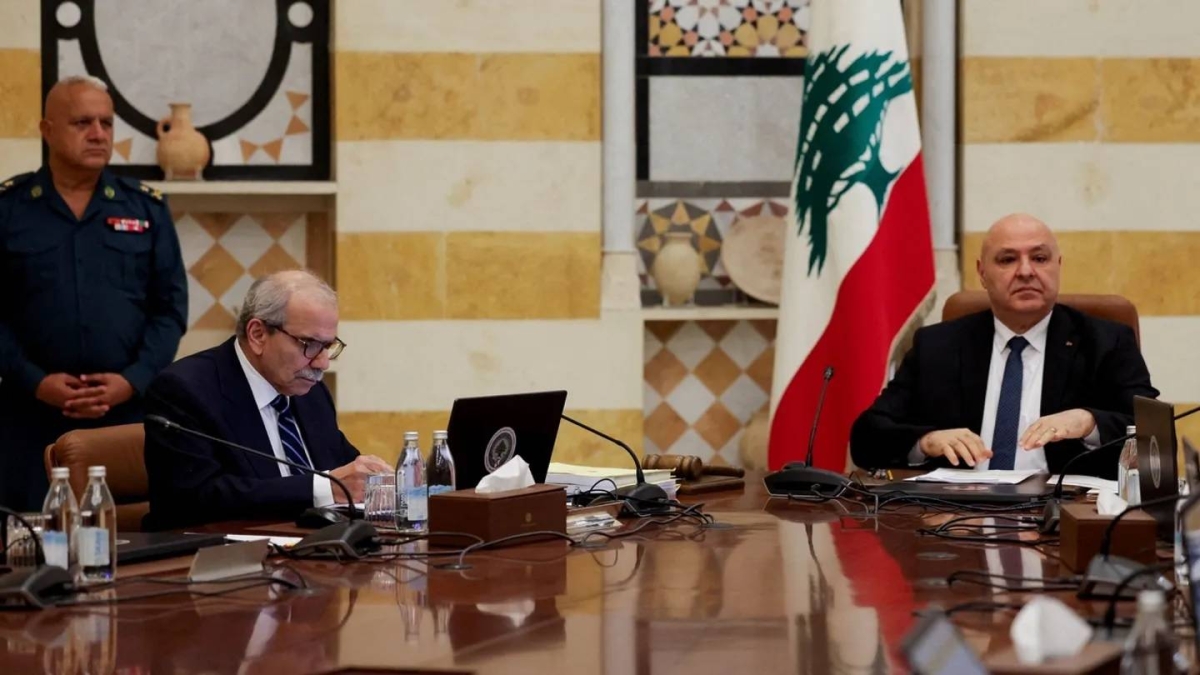
هجوم حزب الله يأتي في توقيت بالغ الحساسية


تابع قناة عكاظ على الواتساب
In a sharply worded speech from Baalbek, Hezbollah's Secretary-General Naim Qassem chose to direct his criticisms straight at the Lebanese government, claiming that it is executing the "American and Israeli order to end the resistance," and holding it responsible for the potential outbreak of a "civil war or internal strife."
This attack, which came at a highly sensitive time, cannot be isolated from the tense political climate in Lebanon, as the country faces significant security challenges while the government seeks to stabilize the situation and manage national and contentious issues, foremost among them Hezbollah's weapons.
The Language of Betrayal... and Weakening State Institutions
Qassem's speech included harsh messages, the most notable being a warning against "dragging the army into strife," a clear indication of his rejection of any military role that might require it to implement the government's decisions regarding weapons. This position raises questions about the perception of the army as a unifying national institution, its role in protecting sovereignty, enforcing state authority across its territory, and enhancing trust in institutions. However, the speech implies that the army is incapable of fulfilling its responsibilities, which negatively affects the morale of the military institution and its image both domestically and internationally.
Political Escalation and the Danger of the Streets
Qassem's announcement that "Hezbollah" and "Amal Movement" agreed to postpone protests to allow for discussion carries an implicit threat of returning to the streets if the government does not reverse its course. Although the postponement of movements may be interpreted as a step to reduce tension, the hint at protests keeps the door open for confrontation and increases pressure on the government at a time when it needs a calm atmosphere to manage complex issues.
Implications for Domestic and Foreign Affairs
It is clear that such statements resonate outside Lebanon, where Western and Arab capitals closely monitor the discussions surrounding weapons and Hezbollah's role. Directly accusing the government of acting in Israel's interest weakens the state and gives those concerned a pretext to question its unity and ability to make sovereign decisions agreed upon internally.
Naim Qassem's speech is not merely a political response but a provocative message that carries the potential for confrontation and opens the door to a political crisis that could spill into the streets if not handled properly. The message is clear and can be read and summarized from the party's perspective as reinforcing the equation of "weapons in exchange for survival," rejecting any governmental step that touches upon the resistance, with a clear warning against involving the army in internal conflict, and affirming that confrontation with Israel is a priority that takes precedence over any other consideration.
This attack, which came at a highly sensitive time, cannot be isolated from the tense political climate in Lebanon, as the country faces significant security challenges while the government seeks to stabilize the situation and manage national and contentious issues, foremost among them Hezbollah's weapons.
The Language of Betrayal... and Weakening State Institutions
Qassem's speech included harsh messages, the most notable being a warning against "dragging the army into strife," a clear indication of his rejection of any military role that might require it to implement the government's decisions regarding weapons. This position raises questions about the perception of the army as a unifying national institution, its role in protecting sovereignty, enforcing state authority across its territory, and enhancing trust in institutions. However, the speech implies that the army is incapable of fulfilling its responsibilities, which negatively affects the morale of the military institution and its image both domestically and internationally.
Political Escalation and the Danger of the Streets
Qassem's announcement that "Hezbollah" and "Amal Movement" agreed to postpone protests to allow for discussion carries an implicit threat of returning to the streets if the government does not reverse its course. Although the postponement of movements may be interpreted as a step to reduce tension, the hint at protests keeps the door open for confrontation and increases pressure on the government at a time when it needs a calm atmosphere to manage complex issues.
Implications for Domestic and Foreign Affairs
It is clear that such statements resonate outside Lebanon, where Western and Arab capitals closely monitor the discussions surrounding weapons and Hezbollah's role. Directly accusing the government of acting in Israel's interest weakens the state and gives those concerned a pretext to question its unity and ability to make sovereign decisions agreed upon internally.
Naim Qassem's speech is not merely a political response but a provocative message that carries the potential for confrontation and opens the door to a political crisis that could spill into the streets if not handled properly. The message is clear and can be read and summarized from the party's perspective as reinforcing the equation of "weapons in exchange for survival," rejecting any governmental step that touches upon the resistance, with a clear warning against involving the army in internal conflict, and affirming that confrontation with Israel is a priority that takes precedence over any other consideration.


