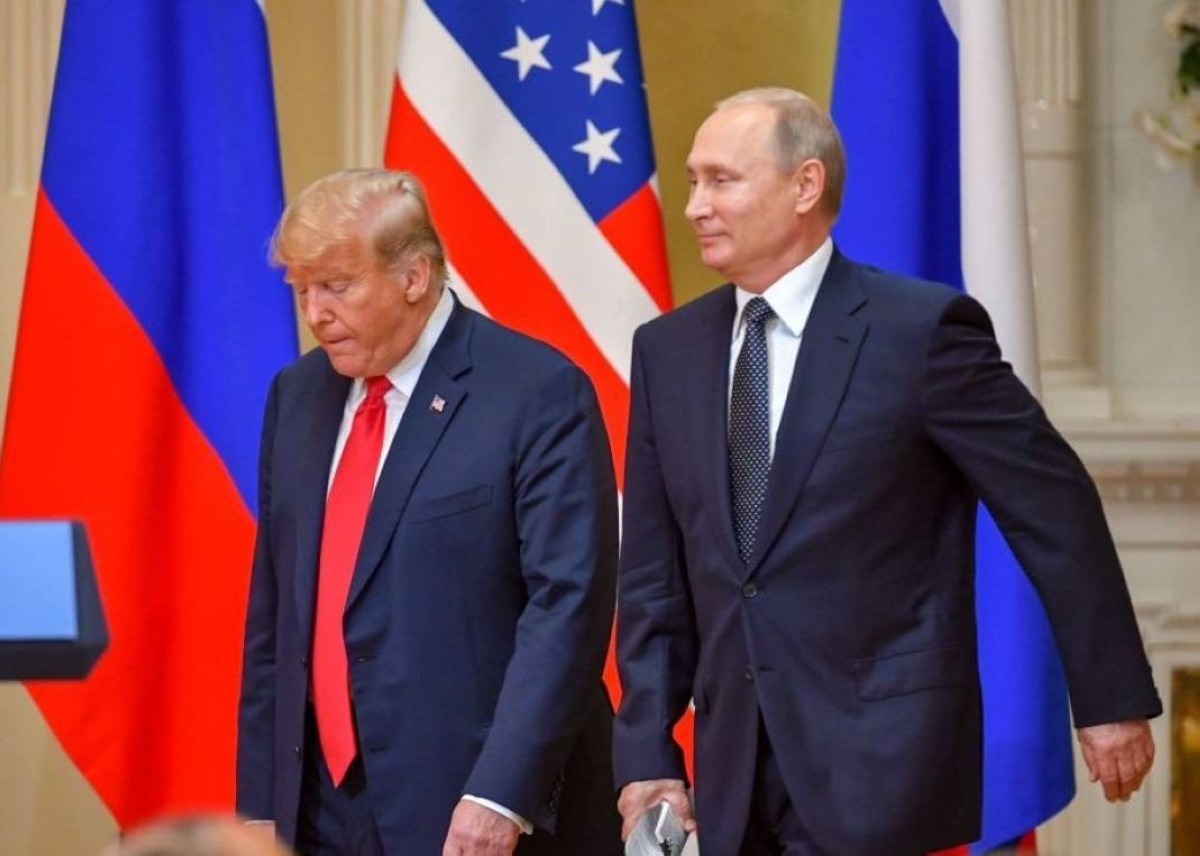
في خطوة مفاجئة ومحملة بالدلالات السياسية والتاريخية، اختار الرئيس الأمريكي دونالد ترمب ونظيره الروسي فلاديمير بوتين ولاية ألاسكا الأمريكية لعقد قمة ثنائية تاريخية تهدف إلى مناقشة إنهاء الحرب في أوكرانيا.
وأثار اختيار ولاية ألاسكا لعقد هذه القمة اهتماما واسعا، خصوصا بين النخبة الروسية التي رحبت بهذا القرار، معتبرة إياه رمزا للتقارب التاريخي والجغرافي بين روسيا والولايات المتحدة.
لكن ما الذي يجعل ألاسكا الخيار المثالي لهذه القمة؟ ولماذا أشادت النخبة الروسية بهذا الاختيار؟
تأتي القمة في ظل تصاعد التوترات بسبب الحرب في أوكرانيا، إذ أعلن ترمب نيته فرض عقوبات ثانوية على الدول التي تشتري النفط الروسي إذا لم يوافق بوتين على وقف إطلاق النار، ومع ذلك، يرى المحللون أن اختيار ألاسكا قد يكون بمثابة تنازل دبلوماسي لروسيا، إذ يعزز مكانة بوتين على الساحة الدولية دون تقديم تنازلات كبيرة من جانبه.
الهدف المعلن للقمة هو بحث سبل إنهاء الحرب الدائرة في أوكرانيا التي بدأت في فبراير 2022، مع تركيز محتمل على مقترحات لتبادل الأراضي بين روسيا وأوكرانيا، ومع ذلك أثار غياب الرئيس الأوكراني فولوديمير زيلينسكي عن القمة قلقا في أوكرانيا وأوروبا، إذ يخشى البعض أن يتم اتخاذ قرارات بشأن مصير أوكرانيا دون مشاركتها.
لماذا تم اختيار ألاسكا؟
اختيار ألاسكا لم يكن عشوائيا، إذ كانت هذه الولاية جزءا من الإمبراطورية الروسية حتى بيعها للولايات المتحدة عام 1867 مقابل 7.2 مليون دولار، فهي تحمل رمزية تاريخية وجغرافية عميقة، وتقع ألاسكا على بعد أقل من 85 كيلومترا من الأراضي الروسية عبر مضيق بيرينغ، ما يجعلها أقرب ولاية أمريكية إلى روسيا جغرافيا.
ولاقى اختيار ألاسكا ترحيبا واسعا من المعلقين والسياسيين الروس، الذين رأوا فيه إشارة إلى إمكانية تعزيز العلاقات بين البلدين، إذ كانت ألاسكا، التي عُرفت باسم «أمريكا الروسية»، تحت سيطرة الإمبراطورية الروسية منذ القرن الثامن عشر حتى عام 1867، عندما باعها القيصر ألكسندر الثاني للولايات المتحدة في صفقة عُرفت باسم «حماقة سيوارد» نسبة إلى وزير الخارجية الأمريكي ويليام سيوارد.
موقف النخب الروسية
وأشادت النخبة الروسية، بما في ذلك السياسيون ووسائل الإعلام الحكومية، باختيار ألاسكا، إذ وصف يوري أوشاكوف، مستشار بوتين للشؤون الخارجية، الموقع بأنه «منطقي تماما» نظرا للقرب الجغرافي عبر مضيق بيرينغ، كما أشار السيناتور فلاديمير جاباروف إلى أن ألاسكا «بعيدة جدا عن أوكرانيا وأوروبا»، ما يعزز فكرة استبعاد الأطراف الأخرى من المفاوضات.
ووفقا لشبكة «إن بي سي»، أشاد المعلقون الروس أيضا بموقع قمة ألاسكا ومن بينهم ألكسندر بوبروف، الذي كتب في افتتاحية لقناة «آر تي» الروسية الحكومية أن القمة «أكثر من مجرد لقاء بين زعيمين»، و«عودة إلى منطق الحوار المباشر دون وسطاء»، وقال إن القمة في ألاسكا «حيث لا تزال الكنائس الأرثوذكسية الروسية منتشرة في كل مكان، وتدل أسماء أماكن مثل نيكولايفسك وفوزنيسينسك على تاريخهما المشترك» يمكن أن تساعد في بناء علاقات عبر مضيق بيرينغ الذي يفصل بين البلدين.
لماذا باعت روسيا ألاسكا؟
كان هدف الإمبراطورية الروسية من البيع منع بريطانيا من السيطرة على المنطقة وتعزيز العلاقات مع الولايات المتحدة، إلا أنه وحتى اليوم، لا تزال آثار الوجود الروسي واضحة في ألاسكا، من خلال الكنائس الأرثوذكسية الروسية وأسماء الأماكن مثل نيكولايفسك وفوزنيسينسك، إلى جانب وجود مجتمعات من نسل المستوطنين الروس المعروفين باسم «المؤمنون القدامى».
ويرى متابعون أن اختيار ألاسكا يحمل عدة دلالات، في مقدمتها أنه يتيح للرئيس بوتين زيارة الولايات المتحدة دون الخوف من الاعتقال بسبب مذكرة المحكمة الجنائية الدولية الصادرة ضده عام 2023، إذ إن الولايات المتحدة لا تعترف بسلطة المحكمة، ويعكس الاختيار رغبة ترمب في إجراء محادثات مباشرة دون وسطاء، مثل تركيا أو الإمارات، بعيدا عن العواصم الأوروبية التي قد تضغط لإشراك أوكرانيا أو حلف الناتو.
وأثارت القمة قلق أوكرانيا وأوروبا، إذ أكد زيلينسكي أن أي قرارات تُتخذ دون مشاركة أوكرانيا «لن تحقق السلام» كما عبرت دول الاتحاد الأوروبي عن دعمها لموقف أوكرانيا، مؤكدة أن السلام لا يمكن أن يتحقق دون إشراك كييف، وفي المقابل، يرى بعض المراقبين أن ترمب يسعى من خلال هذه القمة إلى تحقيق إنجاز دبلوماسي يعزز صورته كـ«صانع سلام»، بينما يرى آخرون أن بوتين يستغل هذه الفرصة لتعزيز موقفه الدبلوماسي.
In a surprising move laden with political and historical implications, U.S. President Donald Trump and his Russian counterpart Vladimir Putin have chosen the U.S. state of Alaska to hold a historic bilateral summit aimed at discussing the end of the war in Ukraine.
The choice of Alaska for this summit has garnered widespread interest, especially among the Russian elite, who welcomed the decision, considering it a symbol of the historical and geographical rapprochement between Russia and the United States.
But what makes Alaska the ideal choice for this summit? And why did the Russian elite praise this selection?
The summit comes amid rising tensions due to the war in Ukraine, as Trump announced his intention to impose secondary sanctions on countries purchasing Russian oil if Putin does not agree to a ceasefire. However, analysts believe that the choice of Alaska could serve as a diplomatic concession to Russia, enhancing Putin's standing on the international stage without requiring significant concessions from him.
The stated goal of the summit is to discuss ways to end the ongoing war in Ukraine that began in February 2022, with a potential focus on proposals for land exchanges between Russia and Ukraine. However, the absence of Ukrainian President Volodymyr Zelensky from the summit has raised concerns in Ukraine and Europe, as some fear that decisions regarding Ukraine's fate may be made without its participation.
Why was Alaska chosen?
The choice of Alaska was not random, as this state was part of the Russian Empire until it was sold to the United States in 1867 for $7.2 million. It carries deep historical and geographical symbolism, located less than 85 kilometers from Russian territory across the Bering Strait, making it the closest U.S. state to Russia geographically.
The selection of Alaska has been widely welcomed by Russian commentators and politicians, who see it as a sign of the potential to strengthen relations between the two countries. Alaska, known as "Russian America," was under the control of the Russian Empire from the 18th century until 1867, when Tsar Alexander II sold it to the United States in a deal known as "Seward's Folly," named after U.S. Secretary of State William Seward.
The stance of the Russian elite
The Russian elite, including politicians and state media, praised the choice of Alaska. Yuri Ushakov, Putin's foreign affairs advisor, described the location as "perfectly logical" given the geographical proximity across the Bering Strait. Senator Vladimir Jabbarov noted that Alaska is "very far from Ukraine and Europe," reinforcing the idea of excluding other parties from the negotiations.
According to NBC News, Russian commentators also praised the location of the Alaska summit, including Alexander Popov, who wrote in an op-ed for the Russian state channel RT that the summit is "more than just a meeting between two leaders," and "a return to the logic of direct dialogue without intermediaries." He stated that the summit in Alaska, "where Russian Orthodox churches are still widespread, and place names like Nikolaevsk and Voznesensk reflect their shared history," could help build relations across the Bering Strait that separates the two countries.
Why did Russia sell Alaska?
The goal of the Russian Empire in selling Alaska was to prevent Britain from dominating the region and to strengthen relations with the United States. However, even today, the remnants of Russian presence are evident in Alaska, from Russian Orthodox churches and place names like Nikolaevsk and Voznesensk to communities descended from Russian settlers known as "Old Believers."
Observers believe that the choice of Alaska carries several implications, primarily that it allows President Putin to visit the United States without fear of arrest due to the International Criminal Court warrant issued against him in 2023, as the United States does not recognize the court's authority. The choice reflects Trump's desire to engage in direct talks without intermediaries, such as Turkey or the UAE, away from European capitals that may pressure to involve Ukraine or NATO.
The summit has raised concerns in Ukraine and Europe, as Zelensky asserted that any decisions made without Ukraine's participation "will not achieve peace," while EU countries expressed their support for Ukraine's position, emphasizing that peace cannot be achieved without involving Kyiv. Meanwhile, some observers believe that Trump aims through this summit to achieve a diplomatic accomplishment that enhances his image as a "peace maker," while others see Putin exploiting this opportunity to bolster his diplomatic standing.