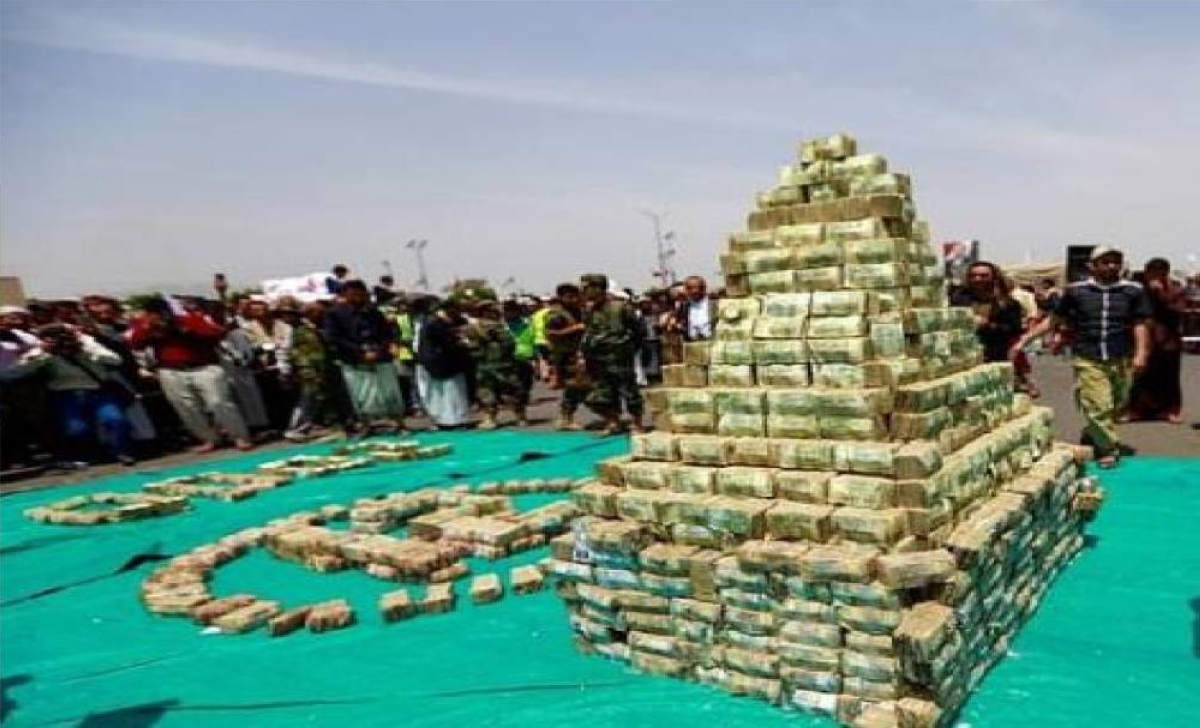
وسط كارثة إنسانية كبيرة وانتشار للفقر والبطالة والجوع في اليمن، تزداد الأسر السلالية الحوثية غناء فاضحاً؛ جراء نهب أموال الشعب اليمني وممتلكاته، بحسب تقارير الخبراء الدوليين والحكومة اليمنية والمنظمات المحلية.
وكشف وزير الإعلام والثقافة والسياحة اليمني معمر الإرياني خطر الحوثي وحربه الاقتصادية على الشعب اليمني، مؤكداً سرقة الحوثي ما يزيد على 100 مليار دولار أمريكي في مختلف القطاعات الاقتصادية والمالية والخدمية، وجعلها تمويلاً لحربها ضد اليمنيين.
ولم يركز التقرير الحكومي على قطاع معين، بل شمل كل القطاعات بما فيها قطاع الاتصالات، التي بلغت أموالها المنهوبة نحو 20 مليار دولار، فضلاً عن 7 مليارات دولار كانت عبارة عن وديعة واحتياطي نقدي أجنبي، ونحو 400 مليار ريال يمني عبارة عن عملة محلية كانت في خزينة الدولة، و9 مليارات دولار عبارة عن أموال البنوك في الخزانة.
وأشار التقرير إلى أن الحوثي لم يكتفِ بما هو موجود داخل البنك المركزي بل نفّذ عمليات سطو منظم لأموال مؤسسات التأمينات والاستثمارات وغيرها من الصناديق السيادية الحكومية.
واستعرض وزير الإعلام اليمني بالأرقام والوثائق المؤكدة حجم الأموال المنهوبة من قطاعات مختلفة منها الضرائب والجمارك والموانئ والصرافة وغسيل الأموال وجمعيها مرعبة ويمكن أن تكفي مرتبات الشعب اليمني لأكثر من 30 عاماً.
وبحسب الإحصاءات الأممية والمحلية فإن الحوثي سرق 1.2 مليون قطعة أرض من أموال المزارعين وخصوصاً في محافظات إب والجوف وعمران والحديدة وحجة وقتل بعض مالكيها، فضلاً عن أراضي الدولة التي استولى عليها وحولها إلى ملكيات خاصة لقياداته.
وفيما يتعلق بالأموال المنهوبة من موانئ الحديدة وحدها، أكد تقرير لمبادرة «استعادة الأموال المنهوبة – ريغن يمن» أن الحوثي جمع 789.9 مليون دولار من الرسوم الجمركية والضرائب المفروضة على الواردات عبر هذه الموانئ خلال الفترة من مايو 2023 حتى يونيو 2024، في وقت يواجه فيه ملايين اليمنيين أوضاعاً إنسانية متدهورة؛ بسبب ارتفاع الأسعار ونقص المواد الأساسية.
وحول الثراء الذي وصلت إليه القيادات الحوثية، كشفت مبادرة (ريغن يمن) امتلاك مفاوض الحوثيين محمد عبدالسلام أكثر من 27 شركة نفط ومقاولات ومؤسسات تجارية واستثمارية استولى عليها من أموال الشعب اليمني وسرقها من التجار ورجال الأعمال وبات اليوم يسيطر على معظم القطاعات الاقتصادية في اليمن، علاوة على إدارته شبكة مالية داخلية وخارجية منها شبكات صرافة وهو أحد المسؤولين عن السوق السوداء للعملات.
وكان الخبراء الدوليون التابعون للأمم المتحدة قد أكدوا في تقارير لهم سابقة أن موارد الدولة اليمنية وإيراداتها تستخدم في بناء شركات حوثية وتمويل الحرب، بينما يستمرون بالامتناع عن القيام بأي واجب تجاه المناطق التي يسيطرون عليها، بما فيها المرتبات.
وأمام كل هذه الأموال المنهوبة فإن تقارير الأمم المتحدة تؤكد أن 80% من الشعب اليمني يعيش تحت خط الفقر، ونحو 17 مليون يمني يعانون من الجوع والفقر، مشيرة إلى أن البطالة ارتفعت ثلاثة أضعاف ما كانت عليه في السابق، وربما أكثر من ذلك بعد أن تجاوزت ما نسبته الـ88%.
ووفقاً لتقارير البنك الدولي فإن انكماش الناتج المحلي نتيجة للممارسات الحوثية تسبب في ارتفاع نسبة البطالة وزيادة الفقر، لافتاً إلى إن التدهور الاقتصادي بسبب الممارسات الحوثية أدى إلى تعرّض الأسر اليمنية لضغوط هائلة، وخصوصاً الشباب، بسبب الحاجة المالية، ودفعتهم تلك الضغوط إلى البحث عن أي فرص متوافرة للحصول على الدخل، وتتضمن على سبيل المثال الانضمام إلى الجماعات المسلحة، والانخراط في مختلف الأنشطة غير المشروعة أو غير الرسمية.
وبحسب خبراء اقتصاديين يمنيين فإن إن هذه الأموال المنهوبة ترقى لمستوى النهب المنظم وجرائم الإثراء غير المشروع التي تستدعي المساءلة الدولية ومحاكمة قادة الحوثي مجرمي حرب أمام المحاكم الدولية المختصة، مشددين على ضرورة أعداد قوائم بالمتورطين من القيادات الحوثية في عمليات النهب الممنهج خصوصاً في ظل وجود تقارير أعدتها منظمات دولية ومحلية ومبادرات اقتصادية عن الاقتصاد الموازي والقيادات المتورطة في عملية السطو المسلح على أموال الشعب اليمني.
ويرى مراقبون اقتصاديون وسياسيون يمنيون أن إصرار الحوثي على نهب الأموال وتدمير الاقتصاد يحمل أهدافاً واضحة وصريحة، وهو إجبار الأسر اليمنية على تجنيد أولادهم في صفوف جماعتهم والتنظيمات الإرهابية الأخرى المتحالفة مع الحوثي كالقاعدة وداعش الإرهابيتين للحصول على فتات الأموال، مطالبين المجتمع الدولي بتحرك واضح وصريح لدعم الدولة اليمنية وخطواتها وإجراءاتها لتعافي الريال اليمني، ووضع خطط عسكرية واضحة للقضاء على الحوثي وإنقاذ الشعب اليمني.
Amid a major humanitarian disaster and the spread of poverty, unemployment, and hunger in Yemen, the Houthi lineage families are becoming outrageously wealthy; as a result of plundering the funds and properties of the Yemeni people, according to reports from international experts, the Yemeni government, and local organizations.
The Yemeni Minister of Information, Culture, and Tourism, Muammar Al-Eryani, revealed the danger of the Houthis and their economic war against the Yemeni people, confirming that the Houthis have stolen more than 100 billion US dollars across various economic, financial, and service sectors, using it to fund their war against Yemenis.
The government report did not focus on a specific sector but included all sectors, including telecommunications, from which about 20 billion dollars were looted, in addition to 7 billion dollars that were in the form of deposits and foreign cash reserves, and about 400 billion Yemeni riyals in local currency that were in the state treasury, along with 9 billion dollars which were the banks' funds in the treasury.
The report indicated that the Houthis did not limit themselves to what was available inside the Central Bank but carried out organized thefts of the funds of insurance institutions, investments, and other government sovereign funds.
The Yemeni Minister of Information presented, with numbers and confirmed documents, the scale of the funds looted from various sectors, including taxes, customs, ports, currency exchange, and money laundering, all of which are terrifying and could cover the salaries of the Yemeni people for more than 30 years.
According to UN and local statistics, the Houthis have stolen 1.2 million plots of land from farmers' funds, especially in the provinces of Ibb, Al-Jawf, Amran, Al-Hudaydah, and Hajjah, killing some of their owners, in addition to state lands that they seized and converted into private properties for their leaders.
Regarding the looted funds from the ports of Al-Hudaydah alone, a report from the "Recovering Looted Funds - Regain Yemen" initiative confirmed that the Houthis collected 789.9 million dollars from customs duties and taxes imposed on imports through these ports during the period from May 2023 to June 2024, at a time when millions of Yemenis are facing deteriorating humanitarian conditions due to rising prices and shortages of essential goods.
Concerning the wealth attained by Houthi leaders, the Regain Yemen initiative revealed that Houthi negotiator Mohammed Abdulsalam owns more than 27 oil and contracting companies, as well as commercial and investment institutions that he seized from the funds of the Yemeni people and stole from traders and businessmen, and today he controls most economic sectors in Yemen, in addition to managing an internal and external financial network, including currency exchange networks, and is one of the officials responsible for the black market for currencies.
International experts affiliated with the United Nations have previously confirmed in their reports that the resources and revenues of the Yemeni state are used to build Houthi companies and finance the war, while they continue to refrain from fulfilling any obligations towards the areas they control, including salaries.
In light of all this looted money, UN reports confirm that 80% of the Yemeni people live below the poverty line, and about 17 million Yemenis suffer from hunger and poverty, noting that unemployment has tripled compared to previous levels, and may be even higher after exceeding 88%.
According to World Bank reports, the contraction of the GDP due to Houthi practices has led to an increase in unemployment and poverty rates, pointing out that the economic deterioration caused by Houthi practices has subjected Yemeni families to immense pressures, especially the youth, due to financial needs, pushing them to seek any available opportunities for income, which includes, for example, joining armed groups and engaging in various illegal or informal activities.
According to Yemeni economic experts, this looted money amounts to organized theft and crimes of illicit enrichment that warrant international accountability and the prosecution of Houthi leaders as war criminals before the relevant international courts, stressing the necessity of preparing lists of those involved among Houthi leaders in systematic looting operations, especially in light of reports prepared by international and local organizations and economic initiatives regarding the parallel economy and the leaders involved in the armed robbery of the Yemeni people's funds.
Yemeni economic and political observers believe that the Houthis' insistence on looting funds and destroying the economy has clear and explicit objectives, which is to compel Yemeni families to recruit their children into their ranks and those of other terrorist organizations allied with the Houthis, such as Al-Qaeda and ISIS, to obtain crumbs of money, calling on the international community to take clear and explicit action to support the Yemeni state and its steps and measures to recover the Yemeni riyal, and to establish clear military plans to eliminate the Houthis and save the Yemeni people.