تتنامى في الأوساط السياسية المخاوف من أن تتحول لعبة الشارع والسلاح إلى فتيل يهدد السلم الأهلي في لبنان، في ظل احتقان داخلي متراكم وتداخل جغرافي وطائفي يجعل أي مواجهة ولو عفوية وغير منظمة، قابلة لأن تنزلق سريعاً نحو فتنة داخلية.
المؤشرات كما تراها مصادر سياسية لـ«عكاظ» تدل على أن لبنان دخلت فعلياً مرحلة المجهول، إذ يتمسك حزب الله بسلاحه رافضاً أي قرار حكومي يطال هذا الملف، فيما تصر الحكومة مجتمعة على تنفيذ قرارها بنزع سلاح الفصائل، ما ينذر بصدام سياسي وأمني يصعب احتواؤه.
في هذا المناخ الملبد، يبدو الحديث عن صيغة «حل وسط» أقرب إلى المستحيل، خصوصاً مع تصاعد العناد المتبادل وتراجع أدوات الحوار، ما يفتح الباب أمام فوضى مفتوحة على كل الاحتمالات. فالقرار الحكومي الأخير بنزع السلاح من حيث المبدأ، مطلب سيادي مشروع، لكنه في التوقيت والسياق الحاليين يفتقر إلى عناصر التوازن والقدرة على التنفيذ، بينما رفض حزب الله الصريح يعكس أن ملف السلاح ما زال بعيداً عن أي تسوية واقعية.
على خط موازٍ، يبرز تمايز في المقاربة بين طرفي الثنائي الشيعي (حزب الله وحركة أمل) تجاه هذه الأزمة. فحزب الله لوح بالاستقالة من الحكومة، فيما رفض رئيس مجلس النواب نبيه بري هذا الخيار رفضاً قاطعاً حتى في ذروة التصعيد السياسي، مفضلاً البقاء في «اللعبة المؤسساتية».
التمايز بدا واضحاً أيضاً في التعاطي مع الشارع، إذ يدير حزب الله من خلف الكواليس مسيرات ليلية يومية ينفذها مناصروه باتجاه بيروت ومحيطها، وصفها نائب الحزب محمد رعد بأنها «أمر طبيعي»، مع نفي صدور أوامر مباشرة من القيادة. أما حركة أمل، فأصدرت تعميماً داخلياً، يمنع أنصارها من المشاركة في هذه التحركات تحت طائلة العقوبة.
مع ذلك، تؤكد المصادر لـ«عكاظ» أن هذا التمايز لا يرقى إلى حد الشرخ في الجبهة السياسية المشتركة، وأن الرهان على تفكك «الثنائي» خطأ في التقدير، خصوصا مع التوافق الصارم بين الطرفين على تجنب أي احتكاك مع الجيش اللبناني المكلف من قبل الحكومة بوضع خطة عملية لحصر السلاح وعرضها على مجلس الوزراء قبل نهاية الشهر الجاري.
اللافت أيضاً، أن وزير المالية ياسين جابر، المحسوب على حركة أمل، خرج بموقف داعم لمبدأ حصر السلاح بيد الدولة، في إشارة فسّرها مراقبون بأنها انسجام مع خط بري المعتدل، مقابل تصلب مواقف وزراء آخرين، وهم أربعة وزراء شيعة، رفضوا أي نقاش حول الملف قبل انسحاب إسرائيل ووقف الاغتيالات المستمرة.
بين لعبة الشارع وحسابات السلاح، يبقى المشهد اللبناني معلقاً على حبال التوتر.. فالمعادلة الحالية لا تسمح بانفراج سريع، والبلاد مقبلة على مواجهة طويلة وربما مفتوحة على احتمالات غير مضمونة، ما لم تبرز مبادرة قادرة على كسر حلقة الانقسام.
بين «حزب الله» ولعبة الشارع
لبنان معلق على حبال التوتر
11 أغسطس 2025 - 13:11
|
آخر تحديث 11 أغسطس 2025 - 13:11
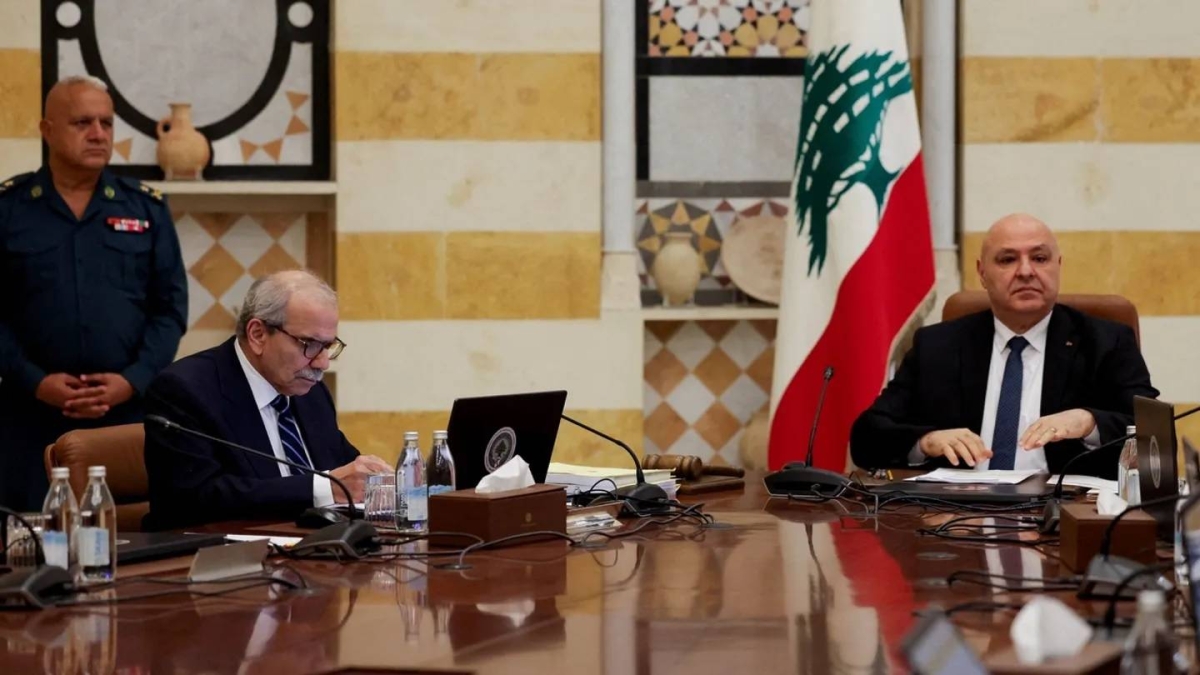
الاجتماع الأخير للحكومة اللبنانية


تابع قناة عكاظ على الواتساب
راوية حشمي (بيروت) HechmiRawiya@
Concerns are growing in political circles that the game of street and weapons could turn into a fuse threatening civil peace in Lebanon, amid accumulated internal tensions and a geographical and sectarian overlap that makes any confrontation, even if spontaneous and unorganized, likely to quickly slip into internal strife.
The indicators, as seen by political sources for "Okaz," suggest that Lebanon has effectively entered a phase of uncertainty, as Hezbollah clings to its weapons, rejecting any government decision that touches on this issue, while the government insists on implementing its decision to disarm the factions, which heralds a political and security clash that is difficult to contain.
In this overcast atmosphere, discussing a "compromise solution" seems closer to impossible, especially with the escalation of mutual stubbornness and the decline of dialogue tools, which opens the door to chaos with all its possibilities. The recent government decision to disarm, in principle, is a legitimate sovereign demand, but in the current timing and context, it lacks elements of balance and the ability to execute, while Hezbollah's outright rejection reflects that the issue of weapons is still far from any realistic settlement.
On a parallel line, there is a distinction in the approach between the two sides of the Shiite duo (Hezbollah and Amal Movement) regarding this crisis. Hezbollah has threatened to resign from the government, while Speaker of the House Nabih Berri has firmly rejected this option even at the height of political escalation, preferring to remain in the "institutional game."
The distinction was also evident in dealing with the street, as Hezbollah manages nightly marches daily carried out by its supporters towards Beirut and its surroundings, which party deputy Mohammad Raad described as "a natural matter," denying that direct orders were issued from the leadership. On the other hand, the Amal Movement issued an internal circular prohibiting its supporters from participating in these movements under penalty of punishment.
Nevertheless, sources confirm to "Okaz" that this distinction does not rise to the level of a rift in the shared political front, and that betting on the disintegration of the "duo" is a miscalculation, especially with the strict agreement between the two sides to avoid any friction with the Lebanese army, which has been tasked by the government to develop a practical plan to contain weapons and present it to the Cabinet before the end of this month.
It is also noteworthy that Finance Minister Yassine Jaber, affiliated with the Amal Movement, has come out with a supportive stance for the principle of restricting weapons to the state, a signal interpreted by observers as being in line with Berri's moderate line, in contrast to the rigidity of other ministers' positions, four of whom are Shiite ministers who rejected any discussion of the issue before Israel withdraws and the ongoing assassinations cease.
Between the game of the street and the calculations of weapons, the Lebanese scene remains suspended on the strings of tension... The current equation does not allow for a quick breakthrough, and the country is heading towards a long confrontation that may be open to uncertain possibilities unless an initiative emerges capable of breaking the cycle of division.
The indicators, as seen by political sources for "Okaz," suggest that Lebanon has effectively entered a phase of uncertainty, as Hezbollah clings to its weapons, rejecting any government decision that touches on this issue, while the government insists on implementing its decision to disarm the factions, which heralds a political and security clash that is difficult to contain.
In this overcast atmosphere, discussing a "compromise solution" seems closer to impossible, especially with the escalation of mutual stubbornness and the decline of dialogue tools, which opens the door to chaos with all its possibilities. The recent government decision to disarm, in principle, is a legitimate sovereign demand, but in the current timing and context, it lacks elements of balance and the ability to execute, while Hezbollah's outright rejection reflects that the issue of weapons is still far from any realistic settlement.
On a parallel line, there is a distinction in the approach between the two sides of the Shiite duo (Hezbollah and Amal Movement) regarding this crisis. Hezbollah has threatened to resign from the government, while Speaker of the House Nabih Berri has firmly rejected this option even at the height of political escalation, preferring to remain in the "institutional game."
The distinction was also evident in dealing with the street, as Hezbollah manages nightly marches daily carried out by its supporters towards Beirut and its surroundings, which party deputy Mohammad Raad described as "a natural matter," denying that direct orders were issued from the leadership. On the other hand, the Amal Movement issued an internal circular prohibiting its supporters from participating in these movements under penalty of punishment.
Nevertheless, sources confirm to "Okaz" that this distinction does not rise to the level of a rift in the shared political front, and that betting on the disintegration of the "duo" is a miscalculation, especially with the strict agreement between the two sides to avoid any friction with the Lebanese army, which has been tasked by the government to develop a practical plan to contain weapons and present it to the Cabinet before the end of this month.
It is also noteworthy that Finance Minister Yassine Jaber, affiliated with the Amal Movement, has come out with a supportive stance for the principle of restricting weapons to the state, a signal interpreted by observers as being in line with Berri's moderate line, in contrast to the rigidity of other ministers' positions, four of whom are Shiite ministers who rejected any discussion of the issue before Israel withdraws and the ongoing assassinations cease.
Between the game of the street and the calculations of weapons, the Lebanese scene remains suspended on the strings of tension... The current equation does not allow for a quick breakthrough, and the country is heading towards a long confrontation that may be open to uncertain possibilities unless an initiative emerges capable of breaking the cycle of division.