أحال رئيس الحكومة العراقية محمد شياع السوداني اليوم (السبت) 4 وزراء في الحكومة الاتحادية الحالية التي يرأسها إلى القضاء بعد ثبوت تقصيرهم في أداء عملهم.
وقال السوداني في كلمة له خلال المؤتمر الأول لتقييم الأداء الحكومي تحت شعار «تقييم الأداء.. مسار للإصلاح والتميّز الحكومي»: «تمت إحالة 4 وزراء إلى القضاء بسبب مؤشرات وشبهات فساد رافقت أداءهم»، إلا أنه لم يفصح عن أسمائهم.
وأضاف: «أُجري التحقيق مع أولئك الوزراء، وتم تثبيت التقصير والخلل لديهم، وصادقنا على نتائج التحقيق، وأُرسلت إلى هيئة النزاهة، وهي معروضة أمام القضاء للبت فيها». واشتكى السوداني من المحاصصة الحزبية في حكومته، قائلاً: «إنه أمر طبيعي أن تؤدي المحاصصة إلى حالة من الخلل والفشل في العمل».
واتهم السوداني قوى سياسية (لم يسمها) مشاركة في الحكومة الاتحادية الحالية التي يرأسها بأنها عرقلت إجراء تعديل وزاري على عدد 6 وزارات.
وقال إن نتائج التقييم أفضت إلى أن هناك 6 وزارات كانت بحاجة إلى تعديل وزاري، مضيفاً: «حكومتنا ائتلافية مشكلة من قوى سياسية، وحتى نجري هذا التعديل كان ينبغي أولاً مشاورتها، ولكن للأسف أغلب القوى السياسية عارضت عملية إجراء هذا التعديل».
ولفت رئيس الوزراء العراقي إلى أن 6 وزارات كانت نتائج التقييم واضحة بشأنها، بأن هناك ضعفاً بالأداء، مؤكداً أن بعض الكتل السياسية قدمت بدلاء أقل بكثير ممن تم تقديمهم في خطوة واضحة لعرقلة هذا الإجراء.
على خلفية مؤشرات وشبهات فساد
رئيس الحكومة العراقية يحيل 4 وزراء إلى القضاء
9 أغسطس 2025 - 15:07
|
آخر تحديث 9 أغسطس 2025 - 15:07
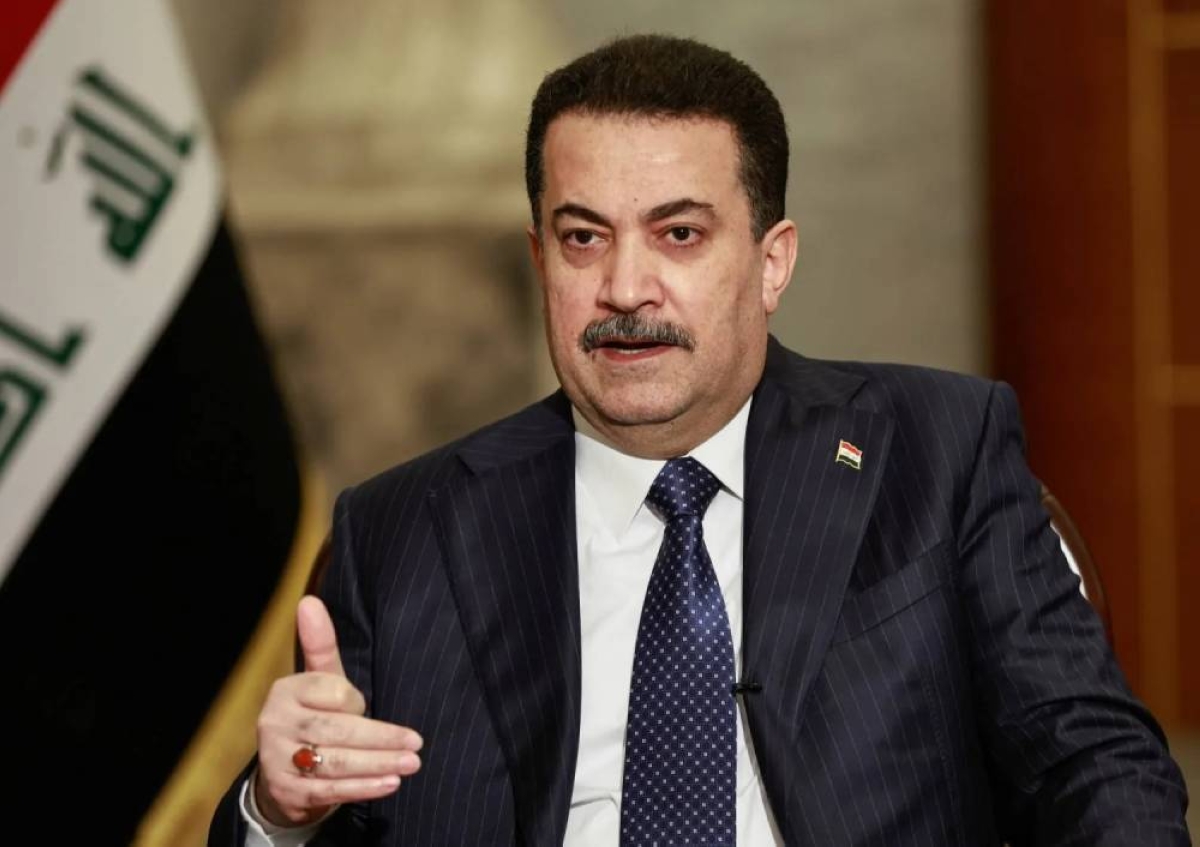
رئيس الحكومة العراقية


تابع قناة عكاظ على الواتساب
رياض منصور (بغداد) okaz_online@
Iraqi Prime Minister Mohammed Shia' al-Sudani referred today (Saturday) 4 ministers in the current federal government he heads to the judiciary after proving their negligence in performing their duties.
Al-Sudani said in a speech during the first conference to evaluate government performance under the slogan "Performance Evaluation... A Path to Reform and Government Excellence": "Four ministers have been referred to the judiciary due to indicators and suspicions of corruption accompanying their performance," but he did not disclose their names.
He added: "An investigation was conducted with those ministers, and negligence and shortcomings were established, we approved the results of the investigation, and it was sent to the Integrity Commission, which is now before the judiciary for adjudication." Al-Sudani complained about the party quota system in his government, stating: "It is natural for the quota system to lead to a state of dysfunction and failure in work."
Al-Sudani accused political forces (which he did not name) participating in the current federal government he heads of obstructing a ministerial amendment concerning 6 ministries.
He said that the evaluation results indicated that there were 6 ministries that needed a ministerial amendment, adding: "Our government is a coalition formed by political forces, and to carry out this amendment, it was necessary to consult them first, but unfortunately, most political forces opposed the process of making this amendment."
The Iraqi Prime Minister pointed out that the evaluation results were clear regarding the 6 ministries, indicating that there was a weakness in performance, confirming that some political blocs presented substitutes far less capable than those who were proposed in a clear step to obstruct this procedure.
Al-Sudani said in a speech during the first conference to evaluate government performance under the slogan "Performance Evaluation... A Path to Reform and Government Excellence": "Four ministers have been referred to the judiciary due to indicators and suspicions of corruption accompanying their performance," but he did not disclose their names.
He added: "An investigation was conducted with those ministers, and negligence and shortcomings were established, we approved the results of the investigation, and it was sent to the Integrity Commission, which is now before the judiciary for adjudication." Al-Sudani complained about the party quota system in his government, stating: "It is natural for the quota system to lead to a state of dysfunction and failure in work."
Al-Sudani accused political forces (which he did not name) participating in the current federal government he heads of obstructing a ministerial amendment concerning 6 ministries.
He said that the evaluation results indicated that there were 6 ministries that needed a ministerial amendment, adding: "Our government is a coalition formed by political forces, and to carry out this amendment, it was necessary to consult them first, but unfortunately, most political forces opposed the process of making this amendment."
The Iraqi Prime Minister pointed out that the evaluation results were clear regarding the 6 ministries, indicating that there was a weakness in performance, confirming that some political blocs presented substitutes far less capable than those who were proposed in a clear step to obstruct this procedure.