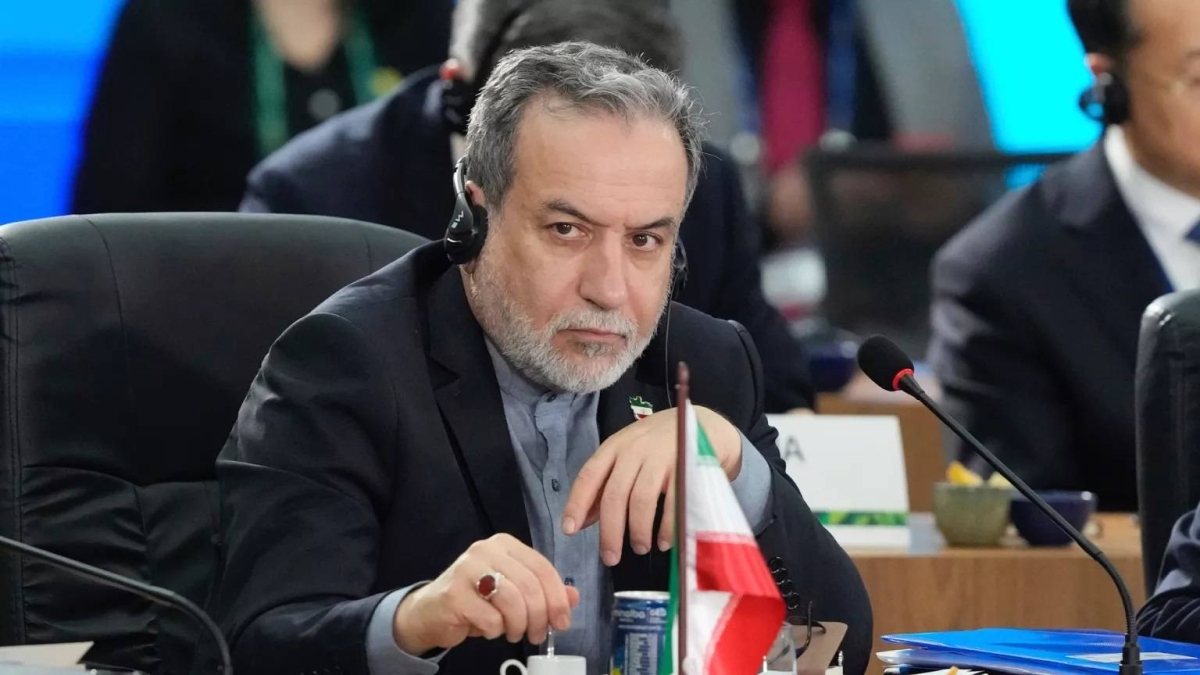
أعلن وزير الخارجية الإيراني عباس عراقجي تلقي بلاده رسائل أمريكية بشأن استئناف المفاوضات، موضحاً أنه لم يتم التوصل إلى أي توافق نهائي بشأن استئناف المفاوضات مع أمريكا حتى الآن.
وقال عراقجي في تصريحات للتلفزيون الرسمي الإيراني، مساء أمس (الأربعاء) المجلس الأعلى للأمن القومي الإيراني هو الجهة المخولة باتخاذ القرارات بشأن مستقبل المفاوضات النووية، في حين تلتزم وزارة الخارجية بتنفيذ قرارات المجلس، مشيراً إلى أن استئناف المفاوضات مع الولايات المتحدة من عدمه يعتمد على ما تقتضيه مصلحة البلاد.
ولفت إلى أنه ومثلما أجرت إيران 5 جولات تفاوضية مع الطرف الأمريكي قبل العدوان العسكري، فإنها اليوم أيضاً ستلجأ إلى الدبلوماسية متى ما اقتضت مصلحة الشعب ذلك..
وفيما يتعلق بزيارة وفد الوكالة الدولية للطاقة الذرية إلى إيران الأسبوع القادم، أكد وزير الخارجية الإيراني ضرورة بدء مرحلة جديدة في علاقات إيران مع الوكالة في ظل المتغيرات الحالية، مبيناً أن برنامج زيارة وفد الوكالة إلى طهران لا يتضمن زيارات إلى المنشآت النووية.
وقال عراقجي: استناداً إلى قانون البرلمان وُجّهت دعوة إلى نائب المدير العام للوكالة الدولية للطاقة الذرية لزيارة طهران، بهدف التباحث حول الأطر الجديدة للتعاون بين الجانبين، لكن هدف هذه الزيارة ليس إجراء تفتيش أو تقييم ولم يُمنح أي تصريح في هذا الشأن، ولن يُمنح.
وأكد وزير الخارجية الإيراني أن الهدف الأساسي من هذه الزيارة هو التفاوض حول كيفية مواصلة التعاون النووي السلمي بين إيران والوكالة، ضمن إطار قانون البرلمان، موضحاً أن من بين المواضيع التي ستُطرح للنقاش، كيفية تقديم الطلبات من جانب الوكالة، وآلية دراستها من قبل المجلس الأعلى للأمن القومي، وطريقة الرد عليها.
وأضاف، أداء (الوكالة) لم يكن جيدا، خصوصا في الأشهر القليلة الماضية لقد أعدوا تقريرا قبل الحرب، أدى إلى قرار في مجلس المحافظين، كان القرار سيئا، واتهموا إيران بقضايا يعلمون هم أنفسهم أنها غير صحيحة، وربما كانت مرتبطة بـ20 عاما مضت.
وأشار إلى أن الوكالة الدولية للطاقة الذرية ومديرها العام رفضا حتى إدانة الهجمات على المنشآت النووية قائلاً: «الوكالة ومديرها العام عليها أن تعلم الآن أن ظروفا جديدة تماما قد طرأت».
The Iranian Foreign Minister Abbas Araghchi announced that his country has received American messages regarding the resumption of negotiations, clarifying that no final agreement has been reached on resuming negotiations with the U.S. so far.
Araghchi stated in remarks to Iranian state television last night (Wednesday) that the Supreme National Security Council of Iran is the body authorized to make decisions regarding the future of nuclear negotiations, while the Foreign Ministry is committed to implementing the council's decisions, noting that whether or not to resume negotiations with the United States depends on what serves the country's interests.
He pointed out that just as Iran conducted five rounds of negotiations with the American side before the military aggression, it will also resort to diplomacy today whenever the interests of the people require it.
Regarding the visit of the International Atomic Energy Agency (IAEA) delegation to Iran next week, the Iranian Foreign Minister emphasized the necessity of starting a new phase in Iran's relations with the agency in light of current changes, indicating that the agenda for the agency's delegation visit to Tehran does not include visits to nuclear facilities.
Araghchi said: "Based on the law of Parliament, an invitation was sent to the Deputy Director General of the International Atomic Energy Agency to visit Tehran, with the aim of discussing new frameworks for cooperation between the two sides, but the purpose of this visit is not to conduct inspections or evaluations, and no permission has been granted in this regard, nor will it be granted."
The Iranian Foreign Minister confirmed that the main objective of this visit is to negotiate how to continue peaceful nuclear cooperation between Iran and the agency, within the framework of the Parliament's law, explaining that among the topics to be discussed will be how requests from the agency are submitted, the mechanism for their study by the Supreme National Security Council, and how to respond to them.
He added, "The performance of the (agency) has not been good, especially in the past few months. They prepared a report before the war, which led to a decision in the Board of Governors; the decision was poor, and they accused Iran of issues they themselves know are untrue, and perhaps related to 20 years ago."
He pointed out that the International Atomic Energy Agency and its Director General even refused to condemn the attacks on nuclear facilities, saying: "The agency and its Director General must now understand that completely new circumstances have arisen."