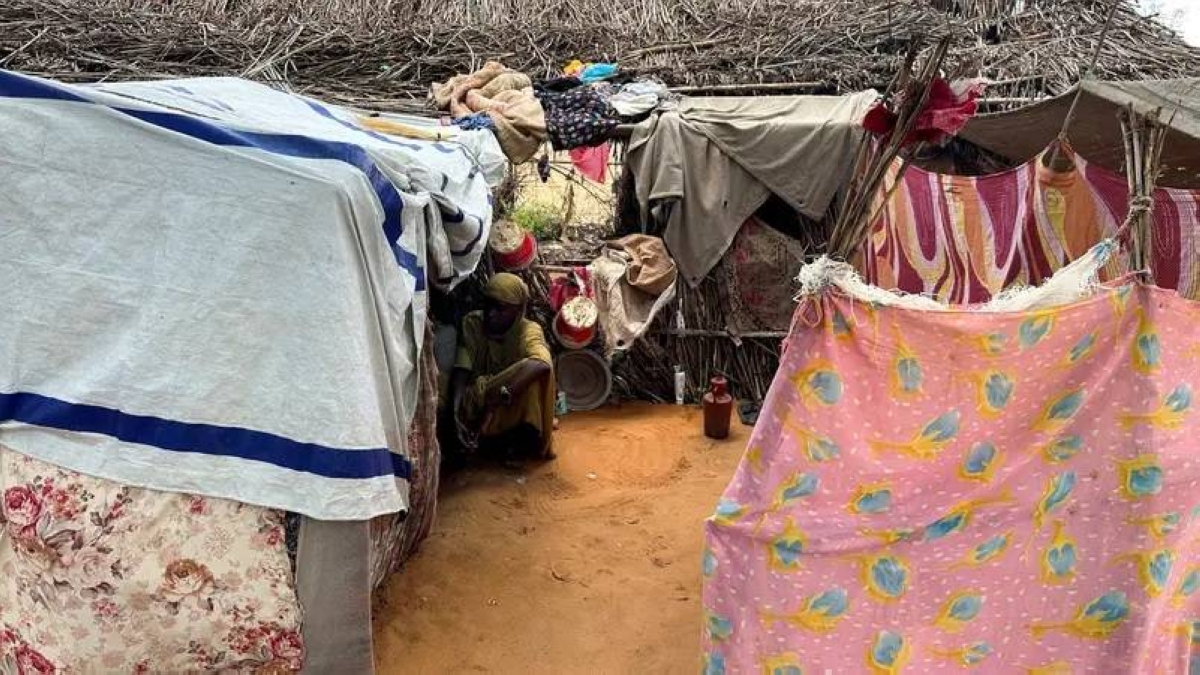
مع استمرار حرب السودان، حذّر برنامج الأغذية العالمي من أن سكان الفاشر عاصمة ولاية شمال دارفور التي تحاصرها قوّات الدعم السريع، يواجهون خطر مجاعة وشيكا. وقال المدير الإقليمي لبرنامج الأغذية العالمي في شرق أفريقيا وجنوبها إريك بيرديسون، إن الجميع في الفاشر يواجهون محنة يومية للصمود.
وأكد أن «القدرة على الصمود تلاشت بالكامل بعد أكثر من سنتين من الحرب، وستزهق أرواح في غياب الوصول الفوري والمستدام إلى الموارد الأساسية، بحسب ما نقلت عنه وسائل إعلام، اليوم (الثلاثاء).
وأفاد أن الذرة الرفيعة والقمح المستخدمين لإعداد الخبز والهريسة يكلّفان أكثر بـ460% في الفاشر، مضيفاً أن الأسواق شبه فارغة من السلع، وقد أغلقت غالبية المطابخ المشتركة أبوابها.
وشهدت أسعار المواد الأساسية ارتفاعاً شديداً، بحسب برنامج الأغذية العالمي الذي أكد أنه لم يعد أمام بعض العائلات سوى استهلاك العلف أو النفايات، في حين بلغ نقص التغذية مستويات مثيرة للقلق في أوساط الأطفال.
ولفت المسؤول الأممي إلى أن حوالى 40% من الأطفال دون الخامسة يعانون سوء تغذية حاداً، من بينهم 11% مصابون بنقص شديد في التغذية.
وبعد نحو العام على إعلان المجاعة في مخيّم زمزم المجاور، باتت الفاشر محرومة من المساعدات الإنسانية منذ حصار فرضته عليها في مايو 2024 قوات الدعم السريع التي تخوض حرباً مع الجيش السوداني منذ أكثر من سنتين.
وفي شهر أبريل الماضي تسبّب هجوم على مخيّم زمزم في تدفق عدد كبير من المدنيين الهاربين من أعمال العنف إلى مدينة الفاشر، العاصمة الوحيدة في منطقة دارفور المترامية التي ما زالت خارج سيطرة قوات الدعم السريع.
ومنذ خسارة العاصمة الخرطوم التي استعادت قوات الجيش السيطرة عليها في شهر مارس الماضي، تكثّف قوات الدعم السريع هجماتها على الفاشر ومخيّمات اللاجئين المحيطة بها.
وأسفرت الحرب التي دخلت عامها الثالث على التوالي عن مقتل عشرات آلاف الأشخاص ونزوح الملايين، متسبّبة بـ«أسوأ أزمة إنسانية في العالم»، بحسب الأمم المتحدة.
As the war in Sudan continues, the World Food Programme has warned that the residents of El Fasher, the capital of North Darfur, which is besieged by the Rapid Support Forces, are facing an imminent risk of famine. Eric Berdison, the regional director of the World Food Programme for East and Southern Africa, stated that everyone in El Fasher is facing a daily struggle for survival.
He confirmed that "the ability to cope has completely eroded after more than two years of war, and lives will be lost in the absence of immediate and sustainable access to basic resources," according to media reports today (Tuesday).
He noted that sorghum and wheat used for making bread and porridge cost 460% more in El Fasher, adding that the markets are nearly empty of goods, and most communal kitchens have closed their doors.
The prices of basic commodities have skyrocketed, according to the World Food Programme, which confirmed that some families have no choice but to consume animal feed or waste, while malnutrition levels among children have reached alarming rates.
The UN official pointed out that about 40% of children under five are suffering from acute malnutrition, with 11% experiencing severe malnutrition.
Nearly a year after the famine was declared in the nearby Zamzam camp, El Fasher has been deprived of humanitarian aid since it was besieged in May 2024 by the Rapid Support Forces, which have been at war with the Sudanese army for more than two years.
In April, an attack on the Zamzam camp led to a large influx of civilians fleeing violence into the city of El Fasher, the only capital in the sprawling Darfur region that remains outside the control of the Rapid Support Forces.
Since losing the capital Khartoum, which the army regained control of in March, the Rapid Support Forces have intensified their attacks on El Fasher and the surrounding refugee camps.
The war, which has entered its third consecutive year, has resulted in the deaths of tens of thousands of people and the displacement of millions, causing what the United Nations describes as "the worst humanitarian crisis in the world."