


في الوقت الذي يواصل الريال اليمني تعافيه أمام الدولار والعملات الأخرى ووصوله إلى أكثر من 50%، وجه رئيس الوزراء اليمني سالم صالح بن بريك، اليوم (السبت) وزارة الصناعة والتجارة في العاصمة المؤقتة عدن بضبط السوق بما يتناسب مع تعافي الريال.
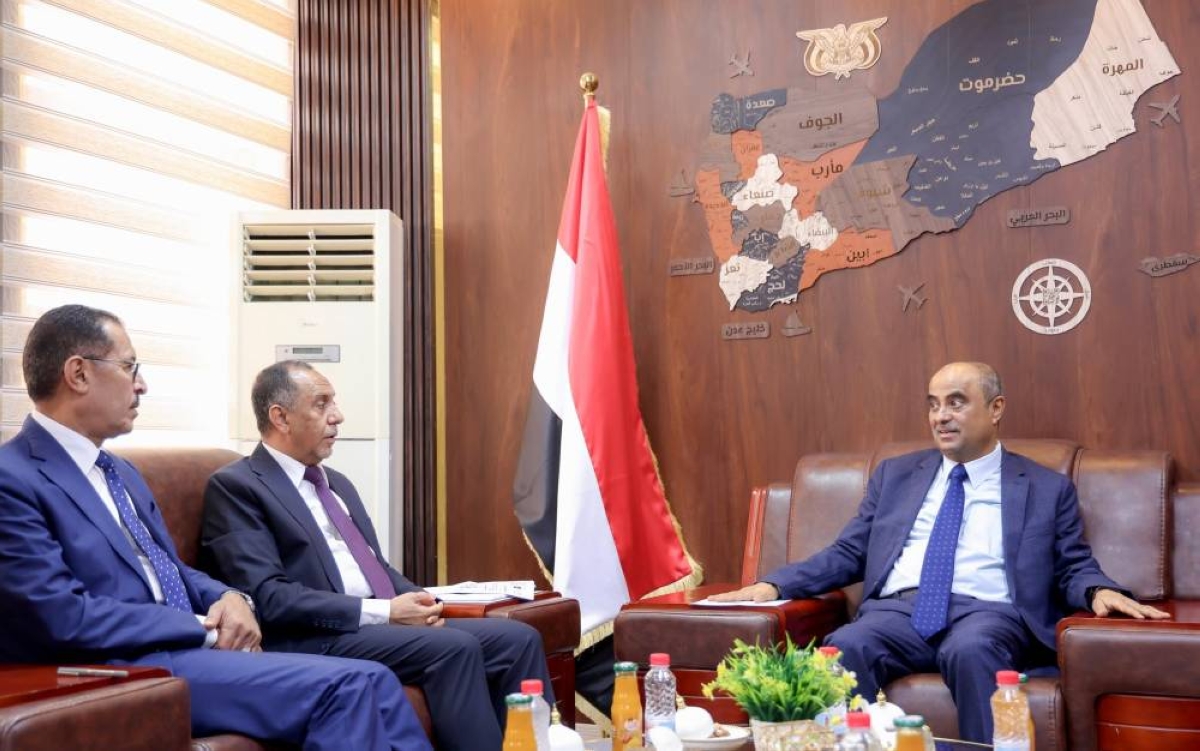
وأكد رئيس الوزراء اليمني خلال زيارته اليوم لوزارة الصناعة والتجارة وترؤسه لاجتماع بحضور الوزير محمد الأشول، أن الحكومة تتابع عن كثب التطورات في الأسواق المحلية، وتولي ملف الأسعار أولوية قصوى في ظل الأوضاع المعيشية الصعبة التي يمر بها المواطنون، مشدداً على ضرورة اتخاذ إجراءات حازمة لضبط المتلاعبين بأسعار السلع الأساسية، والعمل على ترجمة التراجع الملحوظ في أسعار الصرف إلى انخفاض فعلي في أسعار المواد الغذائية والخدمات.
ووجه بن بريك بإطلاق خطوط ساخنة لتلقي الشكاوى من المواطنين والإبداع عن المخالفين لضبط السوق والتفاعل مع تلك الشكاوى والتعامل معها، مؤكداً أن الرقابة على الأسواق مسؤولية تضامنية تتطلب تضافر الجهود بين مختلف الجهات الحكومية والسلطات المحلية والمجتمع، وإحالة المخالفين إلى الجهات القضائية دون تهاون.
وقال رئيس الوزراء: من المهم أن ينعكس تحسن سعر صرف الريال على أسعار السلع الأساسية والاستهلاكية، ورفض ما يقدمه بعض التجار من تبريرات في إبقاء الأسعار مرتفعة بذريعة تكاليف الاستيراد السابقة، كون التسعير يتم وفق سعر الصرف اليومي وتحول العائدات يومياً الى العملات الصعبة.
وشدد على ضرورة اتخاذ الوزارة إجراءات حازمة لأن المواطن هو المتضرر الأول من هذا الخلل، ومسؤولية الحكومة حماية المستهلك والقطاع الخاص في آن واحد وتحقيق التوازن.
ووجه بن بريك، بتشكيل فرق رقابة ميدانية فاعلة وليست شكلية في عدن والمحافظات المحررة بالتنسيق مع السلطات المحلية وتطبيق العقوبات على المخالفين، والإعلان عن المبادرين والمتعاونين، وضمان عدم تحول فرق الرقابة الى فرق جباية وفساد، لافتاً إلى ضرورة إعداد نشرات أسبوعية لتوعية المواطنين بحقوقهم.
وأشار بن بريك، إلى أن الحكومة ملتزمة بمواصلة جهودها في تحسين الأوضاع الاقتصادية والمعيشية، وتعزيز الرقابة الفعلية على الأسواق، وتكثيف التنسيق بين الوزارات المختصة والسلطات المحلية والأجهزة الرقابية، بما يكفل تعزيز الحضور الميداني للدولة وتخفيف الأعباء عن كاهل المواطنين.
وخاطب رئيس الوزراء، القطاع التجاري والخاص بالقول:«نُقدّر دوركم الحيوي في الاقتصاد الوطني، لكن الواجب يفرض عليكم التفاعل الإيجابي والمبادرة إلى خفض الأسعار فوراً بما يتماشى مع تحسن صرف العملة الوطنية، وإلا فإن الحكومة لن تتردد في اتخاذ الإجراءات الرادعة لحماية المواطنين وحقوقهم»، مطالباً اليمنيين بعدم ادخار جهد في اتخاذ كل ما من شأنه تحسين أوضاعهم والتفاعل مع الحملات الرقابية والإبلاغ عن أي مخالفات أو تجاوزات، بما يعزز من فاعلية الرقابة المجتمعية إلى جانب الجهود الحكومية..
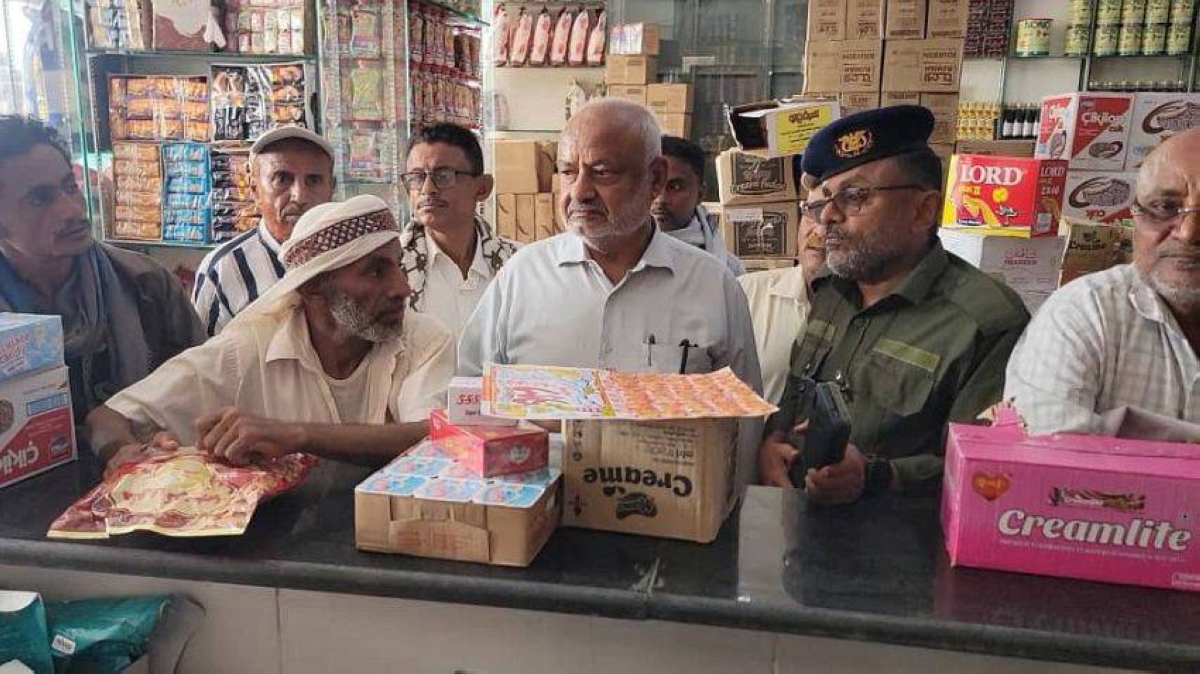
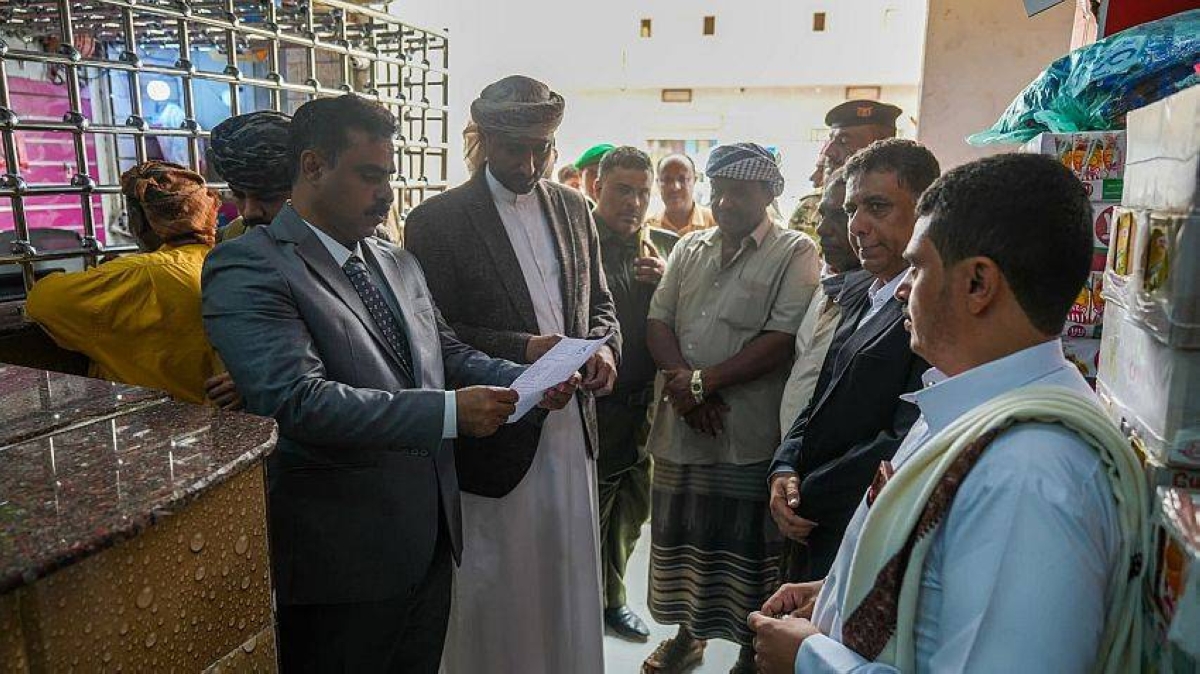
وتنفيذاً لتلك التوجيهات أجرى محافظو عدد من المحافظات بما فيهم محافظتا الحديدة والمهرة نزولاً ميدانياً إلى الاسواق للوقوف على تنفيذ توجيهات رئيس الوزراء بخفض أسعار المواد الغذائية.
وكانت شرطة النفط اليمنية في عدن قد أعلنت أمس عن أسعار مخفضة للنفط، وذلك بعد أن تعافي الريال أمام الدولار ووصل سعر الدولار الواحد مقابل الريال اليمني إلى 1465 ريالاً بعد أن كان الأسبوع الماضي قد تجاوز 2750 ريالاً، فيما وصل سعر الريال اليمني مقابل الريال السعودي إلى 385 ريالاً بعد أن كان قبل أسبوعين قد تجاوز الـ800 ريال.
وعزا مراقبون هذا التعافي إلى الإجراءات التي اتخذها البنك المركزي بإيقاف عدد من شركات الصرافة التي تضارب في العملات، واتخاذ الحكومة إجراءات موازية تتعلق بالموازنة وتحسين الإيرادات.
رئيس الوزراء: مسؤوليتنا حماية المستهلك والقطاع الخاص في آنٍ واحدٍ وتحقيق التوازن
الريال اليمني يتعافى بشكل ملحوظ.. والحكومة تبدأ حملاتها لضبط السلع العذائية
2 أغسطس 2025 - 19:12
|
آخر تحديث 2 أغسطس 2025 - 19:12


تابع قناة عكاظ على الواتساب
أحمد الشميري (جدة) a_shmeri@
At a time when the Yemeni riyal continues to recover against the dollar and other currencies, reaching over 50%, Yemeni Prime Minister Salem Saleh bin Brek directed today (Saturday) the Ministry of Industry and Trade in the temporary capital, Aden, to regulate the market in line with the recovery of the riyal.
During his visit today to the Ministry of Industry and Trade and his chairing of a meeting attended by Minister Mohammed Al-Ashwal, the Prime Minister confirmed that the government is closely monitoring developments in local markets and prioritizes the issue of prices amid the difficult living conditions faced by citizens. He emphasized the necessity of taking strict measures to control those manipulating the prices of essential goods and translating the noticeable decline in exchange rates into an actual decrease in food prices and services.
Bin Brek instructed the launch of hotlines to receive complaints from citizens and report violators to regulate the market and respond to those complaints. He affirmed that market oversight is a collective responsibility that requires concerted efforts among various government entities, local authorities, and the community, and that violators should be referred to judicial authorities without leniency.
The Prime Minister stated: "It is important that the improvement in the exchange rate of the riyal reflects on the prices of essential and consumer goods," rejecting the justifications some traders provide for keeping prices high under the pretext of previous import costs, as pricing is based on the daily exchange rate and revenues are converted daily into hard currencies.
He stressed the need for the ministry to take strict measures because the citizen is the first to be harmed by this imbalance, and it is the government's responsibility to protect the consumer and the private sector simultaneously and achieve balance.
Bin Brek directed the formation of effective, not merely formal, field monitoring teams in Aden and the liberated governorates in coordination with local authorities, applying penalties to violators, announcing initiators and collaborators, and ensuring that monitoring teams do not turn into collection and corruption teams. He pointed out the necessity of preparing weekly bulletins to educate citizens about their rights.
Bin Brek indicated that the government is committed to continuing its efforts to improve economic and living conditions, enhance effective market oversight, and intensify coordination among relevant ministries, local authorities, and oversight bodies, ensuring the state's field presence is strengthened and alleviating burdens on citizens.
The Prime Minister addressed the commercial and private sectors, saying: "We appreciate your vital role in the national economy, but duty requires you to engage positively and take the initiative to reduce prices immediately in line with the improvement of the national currency's exchange rate; otherwise, the government will not hesitate to take deterrent measures to protect citizens and their rights." He urged Yemenis not to spare any effort in taking all necessary actions to improve their conditions and to engage with oversight campaigns and report any violations or transgressions, thereby enhancing the effectiveness of community oversight alongside government efforts.
In implementation of these directives, governors of several provinces, including the governors of Al-Hudaydah and Al-Mahrah, conducted field visits to the markets to ensure the implementation of the Prime Minister's directives to reduce food prices.
The Yemeni Oil Police in Aden announced yesterday reduced prices for oil, following the recovery of the riyal against the dollar, with the price of one dollar against the Yemeni riyal reaching 1465 riyals after exceeding 2750 riyals last week. Meanwhile, the price of the Yemeni riyal against the Saudi riyal reached 385 riyals after exceeding 800 riyals two weeks ago.
Observers attributed this recovery to the measures taken by the Central Bank to stop several money exchange companies that were speculating in currencies, along with parallel government measures related to the budget and improving revenues.
During his visit today to the Ministry of Industry and Trade and his chairing of a meeting attended by Minister Mohammed Al-Ashwal, the Prime Minister confirmed that the government is closely monitoring developments in local markets and prioritizes the issue of prices amid the difficult living conditions faced by citizens. He emphasized the necessity of taking strict measures to control those manipulating the prices of essential goods and translating the noticeable decline in exchange rates into an actual decrease in food prices and services.
Bin Brek instructed the launch of hotlines to receive complaints from citizens and report violators to regulate the market and respond to those complaints. He affirmed that market oversight is a collective responsibility that requires concerted efforts among various government entities, local authorities, and the community, and that violators should be referred to judicial authorities without leniency.
The Prime Minister stated: "It is important that the improvement in the exchange rate of the riyal reflects on the prices of essential and consumer goods," rejecting the justifications some traders provide for keeping prices high under the pretext of previous import costs, as pricing is based on the daily exchange rate and revenues are converted daily into hard currencies.
He stressed the need for the ministry to take strict measures because the citizen is the first to be harmed by this imbalance, and it is the government's responsibility to protect the consumer and the private sector simultaneously and achieve balance.
Bin Brek directed the formation of effective, not merely formal, field monitoring teams in Aden and the liberated governorates in coordination with local authorities, applying penalties to violators, announcing initiators and collaborators, and ensuring that monitoring teams do not turn into collection and corruption teams. He pointed out the necessity of preparing weekly bulletins to educate citizens about their rights.
Bin Brek indicated that the government is committed to continuing its efforts to improve economic and living conditions, enhance effective market oversight, and intensify coordination among relevant ministries, local authorities, and oversight bodies, ensuring the state's field presence is strengthened and alleviating burdens on citizens.
The Prime Minister addressed the commercial and private sectors, saying: "We appreciate your vital role in the national economy, but duty requires you to engage positively and take the initiative to reduce prices immediately in line with the improvement of the national currency's exchange rate; otherwise, the government will not hesitate to take deterrent measures to protect citizens and their rights." He urged Yemenis not to spare any effort in taking all necessary actions to improve their conditions and to engage with oversight campaigns and report any violations or transgressions, thereby enhancing the effectiveness of community oversight alongside government efforts.
In implementation of these directives, governors of several provinces, including the governors of Al-Hudaydah and Al-Mahrah, conducted field visits to the markets to ensure the implementation of the Prime Minister's directives to reduce food prices.
The Yemeni Oil Police in Aden announced yesterday reduced prices for oil, following the recovery of the riyal against the dollar, with the price of one dollar against the Yemeni riyal reaching 1465 riyals after exceeding 2750 riyals last week. Meanwhile, the price of the Yemeni riyal against the Saudi riyal reached 385 riyals after exceeding 800 riyals two weeks ago.
Observers attributed this recovery to the measures taken by the Central Bank to stop several money exchange companies that were speculating in currencies, along with parallel government measures related to the budget and improving revenues.


