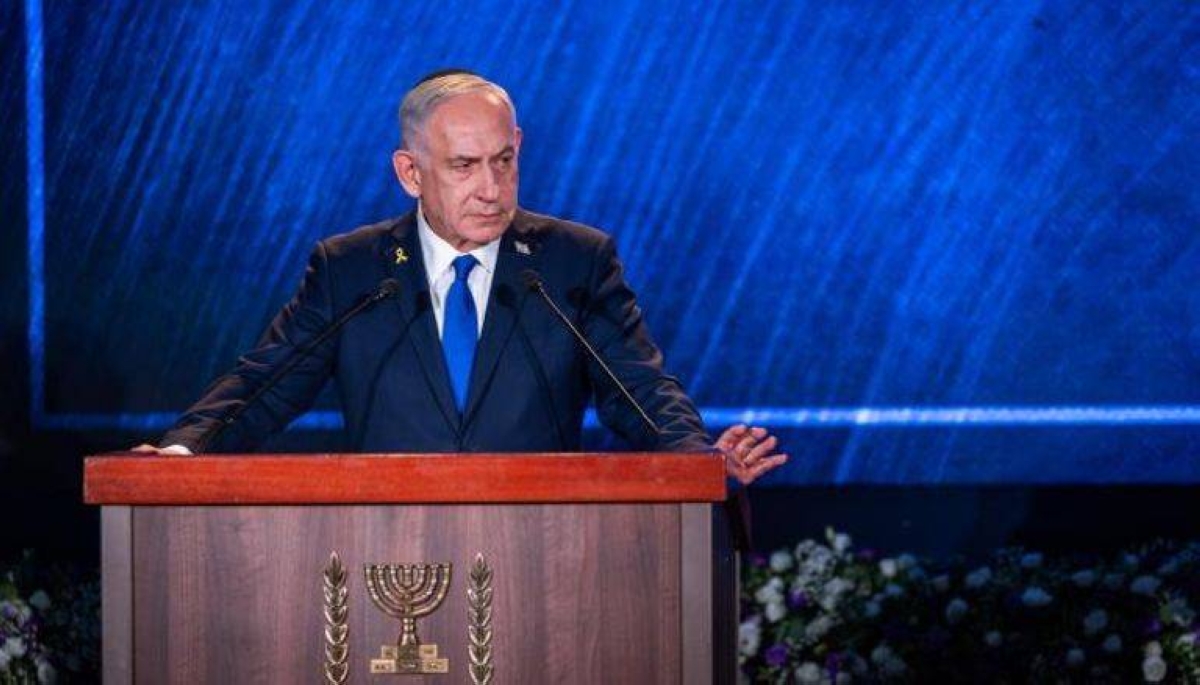
أعلن رئيس وزراء الاحتلال الإسرائيلي بنيامين نتنياهو أن بلاده والولايات المتحدة تدرسان سبل تأمين إطلاق سراح الرهائن في غزة دون الاعتماد على اتفاق تفاوضي مع حماس.
وقال في بيان اليوم (الجمعة): «لقد أصاب المبعوث الخاص للشرق الأوسط ستيف ويتكوف في قراره». واعتبر أن حماس هي العقبة أمام التوصل إلى اتفاق لإطلاق سراح الرهائن. «وندرس الآن، بالتعاون مع حلفائنا الأمريكيين خيارات بديلة لإعادة رهائننا إلى ديارهم، وإنهاء حكم حماس، وتحقيق سلام دائم لإسرائيل ومنطقتنا».
وكان مكتب نتنياهو أعلن استدعاء الوفد الإسرائيلي من الدوحة للتشاور قبل إعلان المبعوث الرئاسي الأمريكي ستيف ويتكوف استدعاء الوفد الأمريكي.
وقال ويتكوف على منصة «إكس»: «قررنا إعادة فريقنا من الدوحة لإجراء مشاورات بعد الرد الأخير من حماس، الذي يُظهر بوضوح عدم رغبتها في التوصل إلى وقف إطلاق نار في غزة». وأضاف: «رغم الجهود الكبيرة التي بذلها الوسطاء لا يبدو أن حماس منسقة أو حسنة النية».
وأضاف: «سندرس الآن خيارات بديلة لإعادة الرهائن إلى ديارهم، ومحاولة تهيئة بيئة أكثر استقراراً لسكان غزة».
فيما قال رجل الأعمال الفلسطيني الأمريكي بشارة بحبح الذي يقوم بدور الوساطة في قطر بين حماس وواشنطن: «قدمت حماس ردها على المقترح الإسرائيلي حول موضوع إعادة الانتشار وتبادل الأسرى. رد حماس كان واقعياً وإيجابياً. الآن على إسرائيل الدخول في مفاوضات جدية وسريعة للتوصل إلى وقف إطلاق النار. الكل ينتظر الفرج. أهل غزة عانوا الكثير من القتل والدمار والجوع».
ونقلت القناة 13 الإخبارية الإسرائيلية عن مسؤول إسرائيلي مشارك في محادثات الدوحة قوله: «الرد الذي تلقيناه غير مقبول بالنسبة لنا. لذلك، تقرر عودة الوفد إلى الوطن».
وأضاف: «هناك خلافات في جميع المجالات التي يجري التفاوض عليها. واجهنا صعوبة في مناقشة مفاتيح التعامل مع الأسرى الفلسطينيين».
ونقلت هيئة البث الإسرائيلية عن مسؤول إسرائيلي قوله: «طرح وفد حماس مجدداً مسألة «مفاتيح الصفقة»، مطالباً بالإفراج عن 200 سجين أمني فلسطيني، إضافة إلى نحو 2000 معتقل من سكان غزة تم توقيفهم بعد السابع من أكتوبر، وهي أرقام تفوق ما نصت عليه مبادرة الوسطاء التي تضمنت الإفراج عن 120 أسيراً أمنياً و1200 معتقل من غزة.
وكشفت الهيئة أنه «للمرة الأولى في المفاوضات تطالب حماس بالإفراج عن عناصر النخبة الذين شاركوا في هجوم 7 أكتوبر في إطار صفقة إطلاق سراح الرهائن ووقف إطلاق النار في غزة».
وأضافت: «لم تقدم حماس قائمة بأسماء الأسرى الذين تطالب بالإفراج عنهم، بل طلبت مبدئياً عدد الأسرى ونوع الأسرى، بمن فيهم عناصر النخبة والسجناء المؤبد وما شابه ذلك».
وبشأن انسحابات جيش الاحتلال في داخل قطاع غزة خلال فترة وقف إطلاق النار، كشفت هيئة البث الإسرائيلي أنها ستكون كالتالي:
- شمال قطاع غزة: إلى مسافة كيلومتر واحد من السياج الحدودي.
- شرق غزة: إلى مسافة كيلومتر واحد من السياج الحدودي في المناطق غير المأهولة بالسكان، و800 متر من المناطق المأهولة بالسكان.
- جنوب قطاع غزة: إلى مسافة 1.2 كيلومتر في المناطق غير المأهولة بالسكان، و700 متر في المناطق المأهولة بالسكان.
Israeli Prime Minister Benjamin Netanyahu announced that his country and the United States are exploring ways to secure the release of hostages in Gaza without relying on a negotiated agreement with Hamas.
He stated in a statement today (Friday): "The special envoy for the Middle East, Steve Witkoff, was correct in his decision." He considered Hamas to be the obstacle to reaching an agreement for the release of the hostages. "We are now examining, in cooperation with our American allies, alternative options to bring our hostages home, end Hamas's rule, and achieve lasting peace for Israel and our region."
Netanyahu's office had announced the recall of the Israeli delegation from Doha for consultations before the announcement by U.S. presidential envoy Steve Witkoff to recall the American delegation.
Witkoff said on the platform "X": "We decided to bring our team back from Doha for consultations after the latest response from Hamas, which clearly shows its unwillingness to reach a ceasefire in Gaza." He added: "Despite the significant efforts made by mediators, it does not seem that Hamas is coordinated or well-intentioned."
He added: "We will now consider alternative options to bring the hostages home and try to create a more stable environment for the residents of Gaza."
Meanwhile, Palestinian-American businessman Bashar Bahbah, who is mediating in Qatar between Hamas and Washington, said: "Hamas has provided its response to the Israeli proposal regarding redeployment and prisoner exchange. Hamas's response was realistic and positive. Now Israel must enter into serious and swift negotiations to reach a ceasefire. Everyone is waiting for relief. The people of Gaza have suffered greatly from killing, destruction, and hunger."
Israeli Channel 13 news quoted an Israeli official involved in the Doha talks as saying: "The response we received is unacceptable to us. Therefore, it was decided to return the delegation home."
He added: "There are disagreements in all areas being negotiated. We faced difficulties in discussing the keys to dealing with Palestinian prisoners."
The Israeli Broadcasting Authority quoted an Israeli official as saying: "The Hamas delegation raised the issue of the 'keys to the deal' again, demanding the release of 200 Palestinian security prisoners, in addition to about 2,000 detainees from Gaza who were arrested after October 7, which exceeds the numbers stipulated in the mediators' initiative that included the release of 120 security prisoners and 1,200 detainees from Gaza."
The authority revealed that "for the first time in the negotiations, Hamas is demanding the release of elite members who participated in the October 7 attack as part of a hostage release deal and a ceasefire in Gaza."
It added: "Hamas did not provide a list of names of the prisoners it demands to be released, but initially requested the number and type of prisoners, including elite members and life-sentenced prisoners, and so on."
Regarding the withdrawals of the occupation army within the Gaza Strip during the ceasefire period, the Israeli Broadcasting Authority revealed that they will be as follows:
- Northern Gaza Strip: to a distance of one kilometer from the border fence.
- Eastern Gaza: to a distance of one kilometer from the border fence in uninhabited areas, and 800 meters from populated areas.
- Southern Gaza Strip: to a distance of 1.2 kilometers in uninhabited areas, and 700 meters in populated areas.