


حذّرت السلطات التايلندية من تحول الاشتباكات الحدودية التي دخلت يومها الثاني (الجمعة)، مع جارتها كمبوديا إلى حرب، في وقت تشهد المناطق الحدودية بينهما نزوح الآلاف، قبيل جلسة لمجلس الأمن الدولي لبحث الأزمة.
وقال رئيس الوزراء التايلندي بالوكالة بومتام ويشاياشاي للصحفيين اليوم: إذا ما شهد الوضع تصعيدا، فقد يتحوّل إلى حرب، حتى لو كانت الأمور تقتصر الآن على اشتباكات.
وأسفرت المواجهات الدامية عن مقتل 14 شخصا على الأقل في تايلند، في حين أعلنت كمبوديا عن أول حالة وفاة جراء اشتباكات اليوم.
وتحدث الجيش التايلندي عن اشتباكات جرت في وقت مبكر من صباح اليوم (الجمعة)، في مناطق متعددة، وعلى طول الحدود في تشونغ بوك وفو ماخويا بمقاطعة أوبون راتشاثاني التايلندية، وفي فانوم دونغ راك بمقاطعة سورين، وبالقرب من معبد تا موين ثوم البوذي التاريخي.
وأفاد شهود عيان بسماع أصوات مدفعية منذ ساعات الصباح الباكر، وأعلن الجيش التايلندي أن القوات الكمبودية استخدمت المدفعية الثقيلة وقاذفات صواريخ روسية الصنع من طراز BM-21، ما دفع المسؤولين التايلنديين إلى الرد بما وصفوه بـ«نيران داعمة مناسبة».
وقال كبيرالمسؤولين الكمبوديين في مقاطعة أودار مينتشي الجنرال خوف لي، إن صاروخا تايلنديا أصاب معبدا بوذيا كان يختبئ فيه، وأصيب 4 مدنيين على الأقل في القتال، لكن الجيش التايلندي نفى استهدافه مواقع مدنية في كمبوديا، واتهم كمبوديا باستخدام دروع بشرية من خلال وضع أسلحتها بالقرب من المناطق السكنية.
ومع احتدام القتال، وقع قرويون من كلا الجانبين في مرمى النيران المتبادلة، ما دفع الكثيرين إلى الفرار خوفا على حياتهم.
وأعلنت وزارة الصحة التايلندية أن أكثر من 58 ألف شخص فروا من القرى إلى ملاجئ مؤقتة في 4 مقاطعات حدودية تايلندية متضررة، فيما أجلت السلطات الكمبودية أكثر من 4 آلاف شخص من المناطق القريبة من الحدود.
وذكر شهود عيان أن عائلات مع أطفالها حزمت أمتعتها على جرارات محلية الصنع للإخلاء، على الرغم من رفض بعض الرجال المغادرة، وتم إجلاء عدة مئات من القرويين الكمبوديين إلى معبد بوذي ناءٍ تحيط به حقول الأرز.
ويعقد مجلس الأمن اجتماعا طارئا بشأن الأزمة اليوم (الجمعة) في نيويورك، بينما دعت ماليزيا، التي ترأس تكتلا إقليميا يضم كلا البلدين، إلى إنهاء الأعمال العدائية وعرضت الوساطة.
ويُمثل هذا الصراع حالة نادرة من المواجهات المسلحة بين الدول الأعضاء في رابطة دول جنوب شرق آسيا، وقد أعربت ماليزيا، الرئيسة الحالية لرابطة دول جنوب شرق آسيا، عن قلقها.
وكان الأمين العام للأمم المتحدة أنطونيو غوتيريش، دعا إلى ضبط النفس، وحث البلدين على حل النزاعات من خلال الحوار.
يذكر أن التوترات الحدودية ليست جديدة بين البلدين التي تمتد حدودهما على طول 800 كيلومتر، ماجعلها محل نزاع منذ عقود، وعادةً ما كانت المواجهات السابقة محدودة وقصيرة. وكان آخر تصعيد كبير في عام 2011 قد أسفر عن مقتل 20 شخصا.
سقوط قتلى وبناء ملاجئ وفرار الآلاف
هل تتحول المواجهات بين تايلند وكمبوديا إلى حرب؟
25 يوليو 2025 - 15:40
|
آخر تحديث 25 يوليو 2025 - 15:40
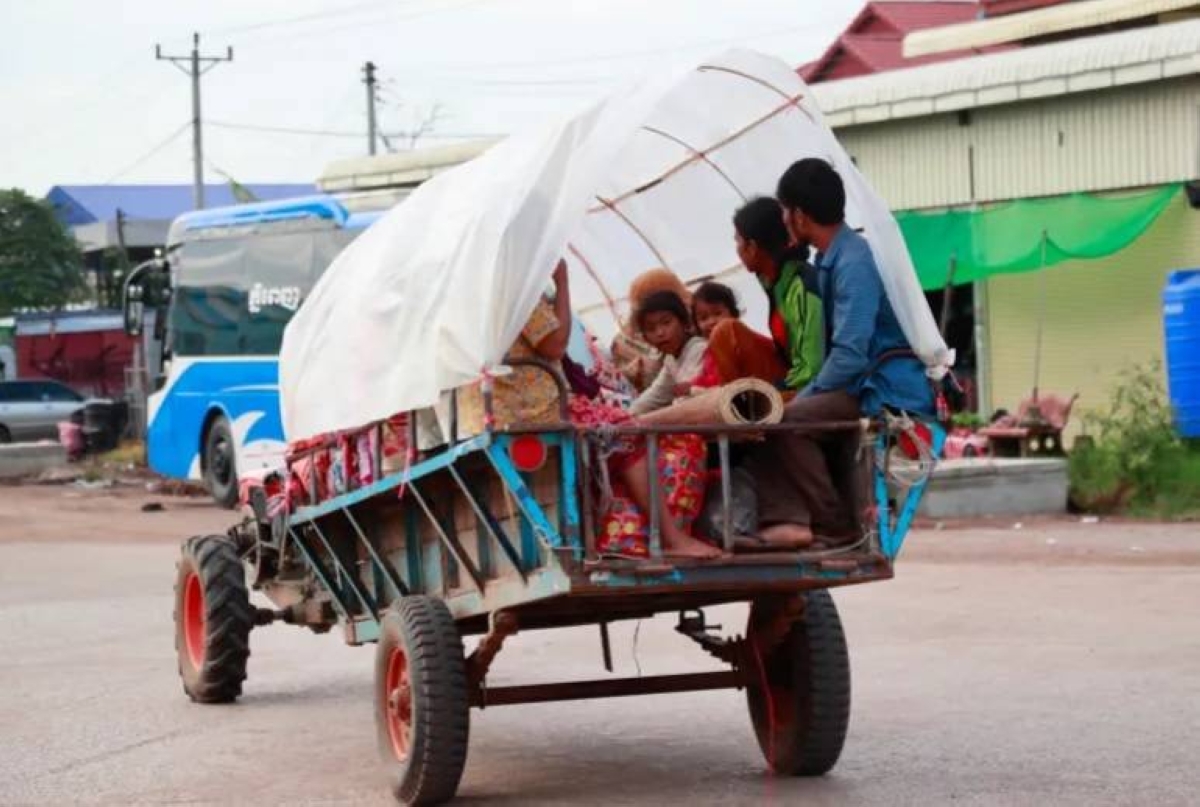
قرويّون تايلنديّون يغادرون الحدود مع كمبوديا.


تابع قناة عكاظ على الواتساب
«عكاظ» وكالات (جدة) okaz_online@
The Thai authorities have warned that the border clashes, which entered their second day (Friday) with neighboring Cambodia, could escalate into war, as thousands are fleeing the border areas ahead of a session of the UN Security Council to discuss the crisis.
Thai acting Prime Minister Poomtham Wechayachai told reporters today: If the situation escalates, it could turn into war, even if things are currently limited to clashes.
The bloody confrontations have resulted in the deaths of at least 14 people in Thailand, while Cambodia reported its first casualty from the clashes today.
The Thai army reported clashes that occurred early this morning (Friday) in multiple areas along the border in Chong Bok and Phu Makhaia in Ubon Ratchathani province, in Phanom Dong Rak in Surin province, and near the historic Ta Muen Thum Buddhist temple.
Eyewitnesses reported hearing artillery fire since early morning, and the Thai army announced that Cambodian forces used heavy artillery and Russian-made BM-21 rocket launchers, prompting Thai officials to respond with what they described as "appropriate supporting fire."
The chief Cambodian official in Oddar Meanchey province, General Khieu Lee, stated that a Thai missile hit a Buddhist temple where he was hiding, injuring at least four civilians in the fighting. However, the Thai army denied targeting civilian sites in Cambodia and accused Cambodia of using human shields by placing its weapons near residential areas.
As the fighting intensified, villagers from both sides found themselves caught in the crossfire, prompting many to flee for their lives.
The Thai Ministry of Health announced that more than 58,000 people have fled from villages to temporary shelters in four affected Thai border provinces, while Cambodian authorities evacuated more than 4,000 people from areas near the border.
Eyewitnesses reported that families with children packed their belongings onto homemade tractors for evacuation, although some men refused to leave. Several hundred Cambodian villagers were evacuated to a remote Buddhist temple surrounded by rice fields.
The Security Council is holding an emergency meeting regarding the crisis today (Friday) in New York, while Malaysia, which chairs a regional bloc that includes both countries, has called for an end to hostilities and offered to mediate.
This conflict represents a rare case of armed confrontations between member states of the Association of Southeast Asian Nations, and Malaysia, the current chair of ASEAN, has expressed its concern.
UN Secretary-General Antonio Guterres has called for restraint and urged both countries to resolve their disputes through dialogue.
It is worth noting that border tensions are not new between the two countries, whose border stretches over 800 kilometers, making it a point of contention for decades. Previous confrontations have typically been limited and short-lived, with the last major escalation in 2011 resulting in the deaths of 20 people.
Thai acting Prime Minister Poomtham Wechayachai told reporters today: If the situation escalates, it could turn into war, even if things are currently limited to clashes.
The bloody confrontations have resulted in the deaths of at least 14 people in Thailand, while Cambodia reported its first casualty from the clashes today.
The Thai army reported clashes that occurred early this morning (Friday) in multiple areas along the border in Chong Bok and Phu Makhaia in Ubon Ratchathani province, in Phanom Dong Rak in Surin province, and near the historic Ta Muen Thum Buddhist temple.
Eyewitnesses reported hearing artillery fire since early morning, and the Thai army announced that Cambodian forces used heavy artillery and Russian-made BM-21 rocket launchers, prompting Thai officials to respond with what they described as "appropriate supporting fire."
The chief Cambodian official in Oddar Meanchey province, General Khieu Lee, stated that a Thai missile hit a Buddhist temple where he was hiding, injuring at least four civilians in the fighting. However, the Thai army denied targeting civilian sites in Cambodia and accused Cambodia of using human shields by placing its weapons near residential areas.
As the fighting intensified, villagers from both sides found themselves caught in the crossfire, prompting many to flee for their lives.
The Thai Ministry of Health announced that more than 58,000 people have fled from villages to temporary shelters in four affected Thai border provinces, while Cambodian authorities evacuated more than 4,000 people from areas near the border.
Eyewitnesses reported that families with children packed their belongings onto homemade tractors for evacuation, although some men refused to leave. Several hundred Cambodian villagers were evacuated to a remote Buddhist temple surrounded by rice fields.
The Security Council is holding an emergency meeting regarding the crisis today (Friday) in New York, while Malaysia, which chairs a regional bloc that includes both countries, has called for an end to hostilities and offered to mediate.
This conflict represents a rare case of armed confrontations between member states of the Association of Southeast Asian Nations, and Malaysia, the current chair of ASEAN, has expressed its concern.
UN Secretary-General Antonio Guterres has called for restraint and urged both countries to resolve their disputes through dialogue.
It is worth noting that border tensions are not new between the two countries, whose border stretches over 800 kilometers, making it a point of contention for decades. Previous confrontations have typically been limited and short-lived, with the last major escalation in 2011 resulting in the deaths of 20 people.


