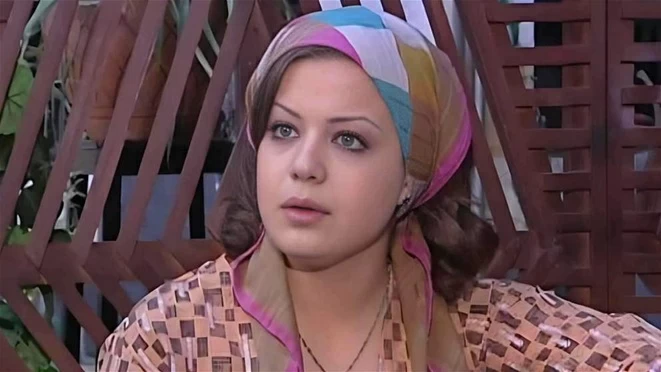
في لفتة إنسانية مؤثرة، حولت الفنانة الأردنية أناهيد فياض وزوجها الوزير السابق مثنى الغرايبة فاجعة فقدان ابنهما كرم إلى رسالة حياة وعطاء، عبر التبرع بقرنيتيه لمنح مريضين فرصة لاستعادة البصر.
وجاءت هذه المبادرة بعد وفاة كرم في مطلع مارس الجاري، حيث اختارت العائلة تحويل ألمهم العميق إلى خطوة إنسانية تبعث الأمل في حياة الآخرين، مؤكدة أن حتى في أصعب اللحظات يمكن للعطاء أن يترك بصمة لا تُنسى.
وكشف عميد كلية الطب البشري في الجامعة الهاشمية الدكتور محمد عبد الحميد القضاة أن والد الشاب الراحل أبلغه فورًا بقرار التبرع، موضحًا أن هذا القرار سيمنح شخصين القدرة على الإبصار لسنوات طويلة، ويعكس وعيًا إنسانيًا رفيعًا بأهمية التبرع بالأعضاء بعد الوفاة.
وأشار القضاة إلى أن الأردن تمتلك بنية طبية متقدمة وكوادر متخصصة في عمليات التبرع بالأعضاء، إلا أن تنظيم القطاع على المستوى الوطني يحتاج إلى تطوير أكبر لاستغلال الإمكانات المتاحة بكفاءة أعلى.
كما اقترح إدراج خيار ضمن تطبيق «سند» الحكومي يتيح للمواطنين تسجيل رغبتهم بالتبرع بأعضائهم بعد الوفاة، ما قد يشجع مزيدًا من الناس على المشاركة في إنقاذ حياة الآخرين.
ولاقت هذه المبادرة الإنسانية تفاعلًا واسعًا على مواقع التواصل الاجتماعي، حيث وصفها كثيرون بأنها نموذج حي لكيفية تحويل الألم الشخصي إلى أمل حقيقي يغير حياة الآخرين.
In a touching humanitarian gesture, Jordanian artist Anahid Fayyad and her husband, former minister Muthana Al-Gharaibeh, turned the tragedy of losing their son Karam into a message of life and giving by donating his corneas to give two patients the chance to regain their sight.
This initiative came after Karam's death at the beginning of March, as the family chose to transform their deep pain into a humanitarian step that brings hope to the lives of others, affirming that even in the toughest moments, giving can leave an unforgettable mark.
Dr. Mohammad Abdul Hamid Al-Qudat, Dean of the Faculty of Medicine at Al-Hussein University, revealed that the father of the deceased young man informed him immediately of the decision to donate, explaining that this decision would grant two individuals the ability to see for many years and reflects a high level of humanitarian awareness regarding the importance of organ donation after death.
Al-Qudat pointed out that Jordan has an advanced medical infrastructure and specialized personnel in organ donation operations; however, organizing the sector at the national level needs further development to utilize the available resources more efficiently.
He also suggested including an option within the government application "Sande" that allows citizens to register their desire to donate their organs after death, which could encourage more people to participate in saving the lives of others.
This humanitarian initiative received widespread interaction on social media, with many describing it as a living example of how to transform personal pain into real hope that changes the lives of others.