اتهم تقرير للأمم المتحدة، اليوم (الخميس)، سلطات طالبان بارتكاب انتهاكات لحقوق الإنسان تشمل عمليات تعذيب واحتجازاً تعسفياً بحق أفغان أجبرتهم إيران وباكستان على العودة إلى بلدهم، مؤكدة أن الانتهاكات شملت سوء معاملة واعتقالاً واحتجازاً تعسفياً وتهديدات للسلامة الشخصية.
وقالت الأمم المتحدة في تقرير: كان الأشخاص العائدون إلى البلاد، خصوصاً الذين كانوا معرضين لخطر الانتقام وانتهاكات أخرى لحقوق الإنسان من سلطات طالبان، نساء وفتيات وأفراداً، مرتبطين بالحكومة السابقة وقواتها الأمنية، وعاملين في وسائل الإعلام ومن المجتمع المدني، فيما قدّرت مفوضية الأمم المتحدة السامية لحقوق الإنسان بأنه قد تتم إعادة ما يصل إلى 3 ملايين شخص بحلول نهاية العام، إلى البلد الذي يواجه أزمة إنسانية حادة.
واستند تقرير بعثة الأمم المتحدة للمساعدة في أفغانستان ومكتب مفوض الأمم المتحدة السامي لحقوق الإنسان إلى مقابلات مع 49 أفغانياً عائدين إلى البلاد.
وذكرت الأمم المتحدة أن الانتهاكات ارتُكبت بحق الأفغان بناء على ملفاتهم الشخصية المحددة، بما في ذلك النساء والعاملون في مجال الإعلام وأفراد المجتمع المدني والأفراد المرتبطين بالحكومة السابقة المدعومة من الخارج التي سقطت عام 2021، غير أن حكومة طالبان نفت في السابق الاتهامات بارتكاب انتهاكات وأعلنت عفواً للأشخاص الذين عملوا في صفوف قوات حلف شمال الأطلسي والحكومة السابقة أثناء النزاع الذي استمر لعقدين ضد طالبان.
وكان مفوض الأمم المتحدة لحقوق الإنسان فولكر تورك قد حذر من عودة المبعدين إلى بلدانهم، مؤكداً أنهم يتعرضون للاضطهاد بسبب هوياتهم أو تاريخهم الشخصي.
وأضاف أن «الأمر أوضح أكثر في أفغانستان بالنسبة للنساء والفتيات المعرّضات لسلسلة إجراءات ترقى إلى الاضطهاد على أساس نوعهن الجنسي فحسب».
الأمم المتحدة تتهم «طالبان» بارتكاب انتهاكات ضد العائدين إلى بلدهم
24 يوليو 2025 - 17:08
|
آخر تحديث 24 يوليو 2025 - 17:08
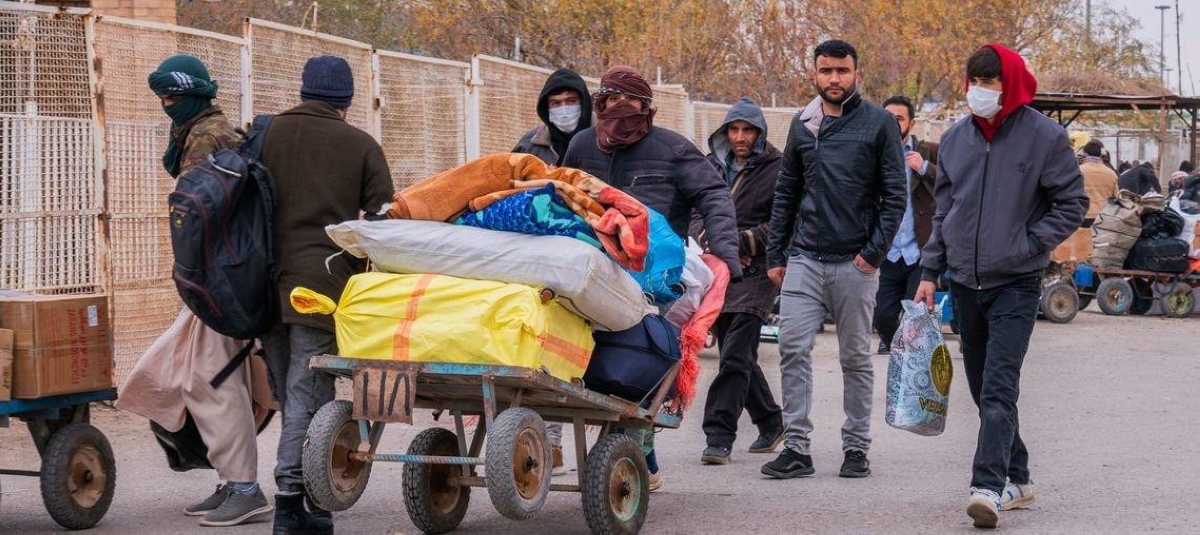
العائدون إلى أفغانستان.


تابع قناة عكاظ على الواتساب
«عكاظ» (جدة) okaz_online@
A United Nations report today (Thursday) accused the Taliban authorities of committing human rights violations, including torture and arbitrary detention of Afghans who were forced to return to their country by Iran and Pakistan, confirming that the violations included mistreatment, arrest, arbitrary detention, and threats to personal safety.
The United Nations stated in the report: Those returning to the country, especially those who were at risk of retaliation and other human rights violations by the Taliban authorities, included women, girls, and individuals associated with the previous government and its security forces, as well as those working in media and civil society. The United Nations High Commissioner for Human Rights estimated that up to 3 million people could be returned by the end of the year to a country facing a severe humanitarian crisis.
The report by the United Nations Assistance Mission in Afghanistan and the Office of the United Nations High Commissioner for Human Rights was based on interviews with 49 Afghans returning to the country.
The United Nations noted that violations were committed against Afghans based on their specific profiles, including women, media workers, civil society members, and individuals linked to the previous foreign-backed government that fell in 2021. However, the Taliban government has previously denied the allegations of committing violations and announced an amnesty for individuals who worked with NATO forces and the previous government during the two-decade conflict against the Taliban.
The United Nations High Commissioner for Human Rights, Volker Turk, warned against the return of the displaced to their countries, emphasizing that they face persecution due to their identities or personal histories.
He added, "The situation is clearer in Afghanistan for women and girls who are subjected to a series of measures that amount to persecution based solely on their gender."
The United Nations stated in the report: Those returning to the country, especially those who were at risk of retaliation and other human rights violations by the Taliban authorities, included women, girls, and individuals associated with the previous government and its security forces, as well as those working in media and civil society. The United Nations High Commissioner for Human Rights estimated that up to 3 million people could be returned by the end of the year to a country facing a severe humanitarian crisis.
The report by the United Nations Assistance Mission in Afghanistan and the Office of the United Nations High Commissioner for Human Rights was based on interviews with 49 Afghans returning to the country.
The United Nations noted that violations were committed against Afghans based on their specific profiles, including women, media workers, civil society members, and individuals linked to the previous foreign-backed government that fell in 2021. However, the Taliban government has previously denied the allegations of committing violations and announced an amnesty for individuals who worked with NATO forces and the previous government during the two-decade conflict against the Taliban.
The United Nations High Commissioner for Human Rights, Volker Turk, warned against the return of the displaced to their countries, emphasizing that they face persecution due to their identities or personal histories.
He added, "The situation is clearer in Afghanistan for women and girls who are subjected to a series of measures that amount to persecution based solely on their gender."