


سابقة قانونية فرنسية وأوروبية ضد الحصانة الرئاسية، تعقد محكمة التمييز الفرنسية أعلى هيئة قضائية في البلاد (الجمعة) جلستها للحسم بشأن الطعن في مذكرة توقيف الرئيس السوري السابق بشار الأسد، المتهم بالضلوع في هجمات كيميائية مميتة وقعت عام 2013 وقتل أكثر من ألف شخص.
وتعقد المحكمة في قصر العدالة بباريس جلسة علنية الجمعة، والمقرر أن تُبث الجلسة مباشرة عبر الإنترنت، للبتّ في مدى شرعية مذكرة التوقيف ومدى إمكانية تجاوز الحصانة الرئاسية في قضايا يُشتبه فيها بارتكاب جرائم ضد الإنسانية في القضية التي تعود إلى هجمات كيميائية نُسبت إلى النظام السوري خلال حكم الأسد، أبرزها الهجوم على الغوطة الشرقية في 21 أغسطس 2013، وقتل أكثر من 1000 شخص بغاز السارين السام، بحسب تقديرات الاستخبارات الأمريكية، إضافة إلى هجمات أخرى في عدرا ودوما أصابت 450 شخصاً في الرابع والخامس من الشهر نفسه.
وكان قاضيان في باريس قد أصدرا في نوفمبر 2023، مذكرة توقيف غير مسبوقة بحق الرئيس السوري السابق (الأسد) أثناء ما كان على رأس عمله، متهمين أياه بـ«التواطؤ في ارتكاب جرائم ضد الإنسانية وجرائم حرب».
وأيّدت محكمة الاستئناف في باريس المذكرة في يونيو 2024، مؤكدة إن تلك الجرائم لا تدخل ضمن الواجبات الرسمية لرئيس دولة، في موقف أثار جدلاً واسعاً في الأوساط القانونية والدبلوماسية، مما دفع بالنيابة العامة الفرنسية لمكافحة الإرهاب، والنيابة الاستئنافية إلى الطعن في القرار، مستندة على مبدأ الحصانة المطلقة لرؤساء الدول أمام المحاكم الأجنبية، وفق القانون الدولي.
وأدى ذلك الطعن إلى تعقيد القضية أكثر وخصوصاً عندما قدّم المدعي العام لدى محكمة التمييز، ريمي هيتز، اقتراحاً فريداً، دعا فيه إلى استبعاد الحصانة الشخصية للأسد، كون فرنسا لم تعد تعترف بشرعيته كرئيس منذ عام 2012، نتيجة ما وصفه بـ«الجرائم الجماعية المرتكبة بحق المدنيين».
هل تؤيد محكمة التمييز الفرنسية مذكرة توقيف الأسد؟
23 يوليو 2025 - 20:04
|
آخر تحديث 23 يوليو 2025 - 20:04
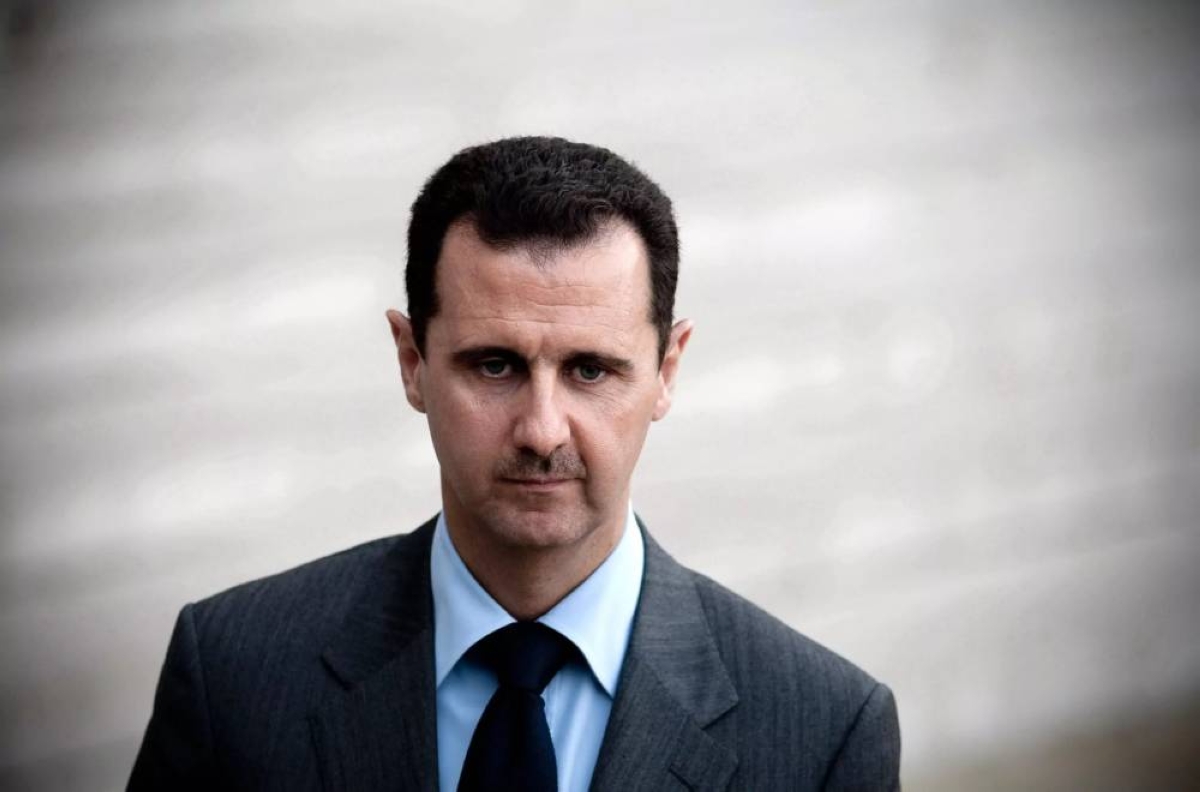
الأسد


تابع قناة عكاظ على الواتساب
«عكاظ» (باريس) okaz_online@
A French and European legal precedent against presidential immunity, the French Court of Cassation, the highest judicial body in the country, is holding a session on Friday to decide on the appeal regarding the arrest warrant for former Syrian President Bashar al-Assad, who is accused of involvement in deadly chemical attacks that occurred in 2013 and killed more than a thousand people.
The court is holding a public session at the Palais de Justice in Paris on Friday, which is set to be broadcast live online, to determine the legality of the arrest warrant and the possibility of overriding presidential immunity in cases suspected of committing crimes against humanity related to the chemical attacks attributed to the Syrian regime during Assad's rule, most notably the attack on Eastern Ghouta on August 21, 2013, which killed over 1,000 people with the toxic sarin gas, according to U.S. intelligence estimates, in addition to other attacks in Adra and Douma that injured 450 people on the fourth and fifth of the same month.
Two judges in Paris issued an unprecedented arrest warrant against the former Syrian president (Assad) in November 2023 while he was still in office, accusing him of "complicity in committing crimes against humanity and war crimes."
The Paris Court of Appeal upheld the warrant in June 2024, confirming that these crimes do not fall within the official duties of a head of state, a position that sparked widespread controversy in legal and diplomatic circles, prompting the French public prosecutor's office for counter-terrorism and the appellate prosecutor's office to appeal the decision, relying on the principle of absolute immunity for heads of state before foreign courts, according to international law.
This appeal complicated the case further, especially when the Attorney General at the Court of Cassation, Rémi Heitz, made a unique proposal, calling for the exclusion of Assad's personal immunity, as France no longer recognizes his legitimacy as president since 2012, due to what he described as "the mass crimes committed against civilians."
The court is holding a public session at the Palais de Justice in Paris on Friday, which is set to be broadcast live online, to determine the legality of the arrest warrant and the possibility of overriding presidential immunity in cases suspected of committing crimes against humanity related to the chemical attacks attributed to the Syrian regime during Assad's rule, most notably the attack on Eastern Ghouta on August 21, 2013, which killed over 1,000 people with the toxic sarin gas, according to U.S. intelligence estimates, in addition to other attacks in Adra and Douma that injured 450 people on the fourth and fifth of the same month.
Two judges in Paris issued an unprecedented arrest warrant against the former Syrian president (Assad) in November 2023 while he was still in office, accusing him of "complicity in committing crimes against humanity and war crimes."
The Paris Court of Appeal upheld the warrant in June 2024, confirming that these crimes do not fall within the official duties of a head of state, a position that sparked widespread controversy in legal and diplomatic circles, prompting the French public prosecutor's office for counter-terrorism and the appellate prosecutor's office to appeal the decision, relying on the principle of absolute immunity for heads of state before foreign courts, according to international law.
This appeal complicated the case further, especially when the Attorney General at the Court of Cassation, Rémi Heitz, made a unique proposal, calling for the exclusion of Assad's personal immunity, as France no longer recognizes his legitimacy as president since 2012, due to what he described as "the mass crimes committed against civilians."


