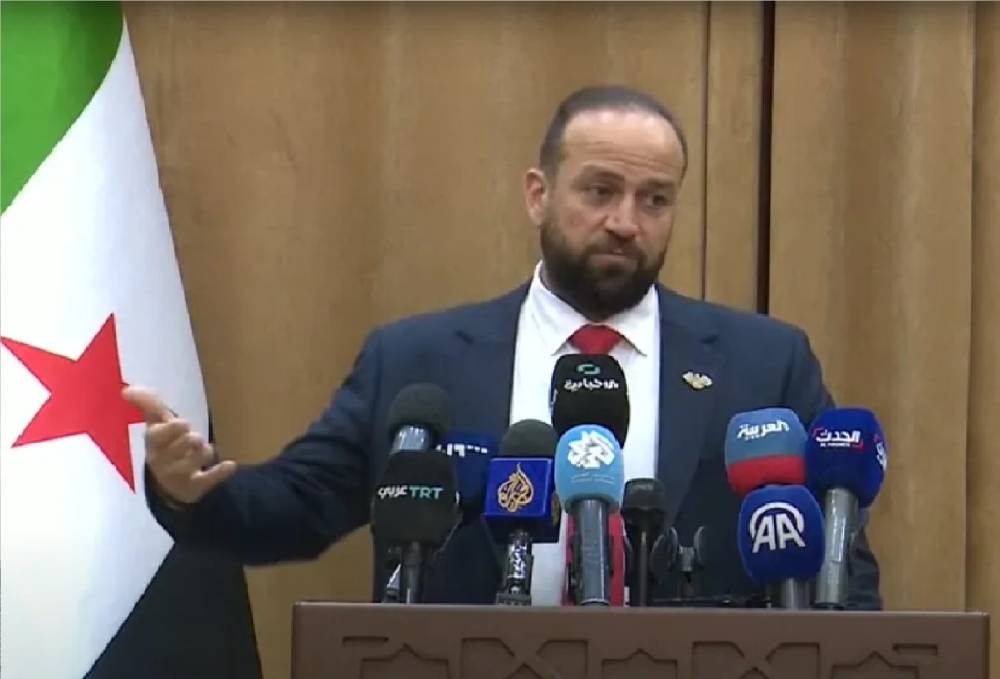
أكد وزير الإعلام السوري، حمزة المصطفى اليوم (السبت)، على أن اتفاق السويداء يمنح فرصة للحوار والحلول السياسية، مبيناً أن بلاده تواجه مرحلة انتقالية دقيقة.
وقال المصطفى خلال مؤتمر صحافي في دمشق، إنه سيتم تنفيذ اتفاق السويداء على مراحل، مبيناً أنه كانت هناك «حسابات خاطئة» للهجري خصوصاً عن الاستنجاد بإسرائيل واستدعاء التدخل الأجنبي.
ولفت إلى أن بيان الرئاسة الروحية تضمن صياغات تحض على التهجير، مؤكداً أن الدولة السورية هي المسؤولة عن حماية جميع مواطنيها.
وأشار إلى أن قوات الأمن الحكومية تعرضت لكمائن استدعت التدخل الأكبر، موضحاً أن الدولة لم تنكر مسؤوليتها عن تجاوزات حدثت في الفترة الأخيرة ولا يمكنها التخلي عن مبدأ «وطن واحد وجيش واحد».
وندد وزير الإعلام السوري بادعاءات جماعات داخل السويداء أخيراً بأن الدولة هي أصل المشكلة، مشدداً بالقول: وجود الدولة في السويداء هو الحل وليس المشكلة وهي المسؤولة عن الاحتياجات التي تضمن حياة طبيعية في المحافظة.
وقال المصطفى: نسعى لدمج الفصائل بالجيش بغض النظر عن انتماءاتها، ونعمل لحصر السلاح بيد الدولة.
وأضاف: الدولة تعمل جاهدة على افتتاح معابر إنسانية بين درعا والسويداء وتم تشكيل لجنة طوارئ من وزارات وهيئات حكومية لإدخال مساعدات إنسانية وطبية وقد دخلت حافلات لإجلاء المحتجزين من العشائر من مدينة شهبا بريف السويداء.
وأكد الوزير السوري انسحاب مقاتلي العشائر من مدينة السويداء، مطالباً الجميع بإعلاء المصلحة الوطنية. وتوقع المصطفى تطبيق المرحلة الأولى من اتفاق السويداء خلال 48 ساعة، مبيناً أن الدولة تفضّل الحلول السياسية على الخيارات الأخرى واتفاق وقف إطلاق النار يعطي فرصة للحلول السياسية تحت مظلة الدولة.
وأشار إلى أنه كان هناك رفض من مجموعات مسلحة في السويداء للحلول السياسية وهناك مجموعات تحتجز «رهائن» من البدو، مبيناً أن غياب دور الدولة في السويداء هو ما ساهم في زيادة التوتر والتصعيد والخلافات ليست جديدة.
وطالب وزير الإعلام السوري إسرائيل بالانسحاب من الأراضي التي توسعت فيها بعد سقوط الأسد، نافياً عقد لقاءات مع مسؤولين إسرائيليين في باكو.
The Syrian Minister of Information, Hamza Mustafa, affirmed today (Saturday) that the Sweida Agreement provides an opportunity for dialogue and political solutions, indicating that his country is facing a delicate transitional phase.
Mustafa stated during a press conference in Damascus that the Sweida Agreement will be implemented in phases, noting that there were "miscalculations" regarding the situation, particularly concerning the appeal to Israel and the call for foreign intervention.
He pointed out that the statement from the spiritual presidency included formulations that incite displacement, emphasizing that the Syrian state is responsible for protecting all its citizens.
He noted that government security forces have been subjected to ambushes that necessitated greater intervention, clarifying that the state does not deny its responsibility for the violations that have occurred recently and cannot abandon the principle of "one nation and one army."
The Syrian Minister of Information condemned claims by groups within Sweida recently that the state is the root of the problem, stressing: the presence of the state in Sweida is the solution, not the problem, and it is responsible for the needs that ensure a normal life in the governorate.
Mustafa said: We seek to integrate the factions into the army regardless of their affiliations, and we are working to confine weapons to the hands of the state.
He added: The state is working hard to open humanitarian crossings between Daraa and Sweida, and an emergency committee has been formed from ministries and government agencies to deliver humanitarian and medical aid, with buses having entered to evacuate hostages from the tribes from the city of Shahba in the countryside of Sweida.
The Syrian minister confirmed the withdrawal of tribal fighters from the city of Sweida, calling on everyone to prioritize national interest. Mustafa expected the first phase of the Sweida Agreement to be implemented within 48 hours, indicating that the state prefers political solutions over other options and that the ceasefire agreement provides an opportunity for political solutions under the umbrella of the state.
He pointed out that there was a rejection from armed groups in Sweida regarding political solutions and that there are groups holding "hostages" from the Bedouins, indicating that the absence of the state's role in Sweida has contributed to increased tension and that the disputes are not new.
The Syrian Minister of Information called on Israel to withdraw from the territories it expanded into after the fall of Assad, denying any meetings with Israeli officials in Baku.