


أكد مساعد القائد العام للجيش السوداني الفريق إبراهيم جابر أن التحدي الأكبر كان يتمثل في طرد قوات الدعم السريع من العاصمة الخرطوم، لافتاً إلى أن المرحلة الحالية تتركز على مواجهة تحديات تجهيز الخدمات وإعادتها.
وأفاد عضو مجلس السيادة في تصريحات تليفزيونية، اليوم (السبت)، بأن الخرطوم كانت الأكثر تضرراً من الخراب، مؤكداً أنه تم وضع خطة لتسريع عودة المواطنين إلى مناطقهم. وأفصح جابر أن الجهود تتركز حالياً على إصلاح قطاعات المياه والكهرباء والمستشفيات والمدارس. وشدد على أنه سيتم التعامل بحزم مع حاملي السلاح غير المقنن، مؤكداً أن السلطات ستتخذ إجراءات بحق كل من لم يسلم سلاحه طوعاً.
وأكمل الجيش السوداني سيطرته على العاصمة الخرطوم في مايو الماضي، وأخرج قوات الدعم السريع بعد معارك طاحنة.
وأعلن الجيش السوداني في 28 مارس الماضي إكمال سيطرته على الخرطوم والخرطوم بحري. ومع دخول الحرب عامها الثالث، يبدو واضحاً أن قوات الجيش أحرزت تقدماً كبيراً بفرض سيطرتها على معظم الولايات التي سبق وانسحبت منها لصالح قوات الدعم السريع.
في غضون ذلك، تسارعت وتيرة التحركات الدولية والإقليمية لوضع نهاية للحرب في السودان، وشهدت الأيام الماضية زيارات غير معلنة واتصالات صامتة بين بورتسودان العاصمة الإدارية المؤقت وعواصم عربية وأفريقية وغربية قبل مؤتمر دولي تعد له واشنطن بشأن السلام في السودان.
ويعتقد مراقبون أن «طبخة سياسية» يتم إعدادها على نار هادئة لتسوية في السودان، لكنها تواجه تحديات أبرزها تقاطع مواقف دول إقليمية مؤثرة على المشهد السوداني وتوجس أطراف النزاع من حل يضع حداً للطموحات السياسية لقيادات عسكرية.
وبرز الاهتمام الأمريكي في أوائل يونيو الماضي بعد لقاء جمع نائب وزير الخارجية الأمريكي كريستوفر لاندو، ومستشار الرئيس الأمريكي للشؤون الأفريقية والشرق أوسطية مسعد بولس، بسفراء السعودية ومصر والإمارات ضمن المجموعة الرباعية المعنية بالسودان.
مساعد البرهان: طرد «الدعم السريع» من الخرطوم كان التحدي الأكبر
19 يوليو 2025 - 14:10
|
آخر تحديث 19 يوليو 2025 - 14:10
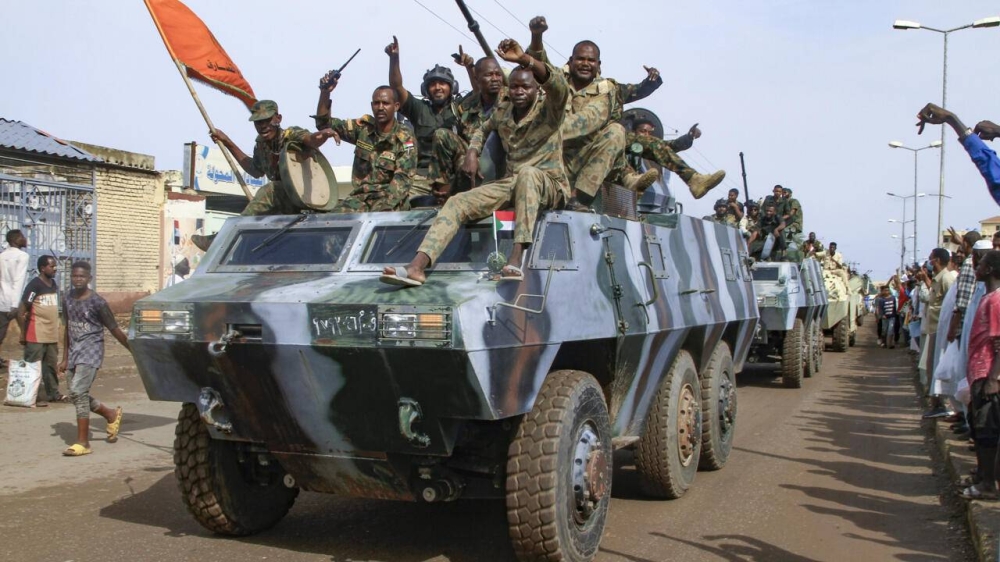
قوات الجيش السوداني في العاصمة الخرطوم .


تابع قناة عكاظ على الواتساب
«عكاظ» (جدة) okaz_online@
The Assistant Chief of Staff of the Sudanese Army, Lieutenant General Ibrahim Jaber, confirmed that the biggest challenge was to expel the Rapid Support Forces from the capital, Khartoum, noting that the current phase focuses on addressing the challenges of restoring services.
In statements made during a television interview today (Saturday), a member of the Sovereignty Council indicated that Khartoum was the most affected by the devastation, confirming that a plan has been put in place to expedite the return of citizens to their areas. Jaber revealed that efforts are currently concentrated on repairing the sectors of water, electricity, hospitals, and schools. He emphasized that there will be a firm response to those carrying unregulated weapons, asserting that authorities will take action against anyone who does not voluntarily surrender their arms.
The Sudanese army completed its control over the capital Khartoum last May, expelling the Rapid Support Forces after fierce battles.
The Sudanese army announced on March 28 that it had completed its control over Khartoum and Khartoum North. As the war enters its third year, it is clear that the army has made significant progress by asserting control over most of the states it had previously withdrawn from in favor of the Rapid Support Forces.
Meanwhile, the pace of international and regional movements to put an end to the war in Sudan has accelerated, with recent days witnessing unannounced visits and silent communications between Port Sudan, the temporary administrative capital, and Arab, African, and Western capitals ahead of an international conference being organized by Washington regarding peace in Sudan.
Observers believe that a "political concoction" is being quietly prepared for a settlement in Sudan, but it faces challenges, the most prominent of which is the conflicting positions of influential regional countries on the Sudanese scene and the war parties' apprehension of a solution that limits the political ambitions of military leaders.
American interest emerged in early June after a meeting that brought together U.S. Deputy Secretary of State Christopher Landau and U.S. Presidential Advisor for African and Middle Eastern Affairs Masad Boulos with the ambassadors of Saudi Arabia, Egypt, and the UAE as part of the quadripartite group concerned with Sudan.
In statements made during a television interview today (Saturday), a member of the Sovereignty Council indicated that Khartoum was the most affected by the devastation, confirming that a plan has been put in place to expedite the return of citizens to their areas. Jaber revealed that efforts are currently concentrated on repairing the sectors of water, electricity, hospitals, and schools. He emphasized that there will be a firm response to those carrying unregulated weapons, asserting that authorities will take action against anyone who does not voluntarily surrender their arms.
The Sudanese army completed its control over the capital Khartoum last May, expelling the Rapid Support Forces after fierce battles.
The Sudanese army announced on March 28 that it had completed its control over Khartoum and Khartoum North. As the war enters its third year, it is clear that the army has made significant progress by asserting control over most of the states it had previously withdrawn from in favor of the Rapid Support Forces.
Meanwhile, the pace of international and regional movements to put an end to the war in Sudan has accelerated, with recent days witnessing unannounced visits and silent communications between Port Sudan, the temporary administrative capital, and Arab, African, and Western capitals ahead of an international conference being organized by Washington regarding peace in Sudan.
Observers believe that a "political concoction" is being quietly prepared for a settlement in Sudan, but it faces challenges, the most prominent of which is the conflicting positions of influential regional countries on the Sudanese scene and the war parties' apprehension of a solution that limits the political ambitions of military leaders.
American interest emerged in early June after a meeting that brought together U.S. Deputy Secretary of State Christopher Landau and U.S. Presidential Advisor for African and Middle Eastern Affairs Masad Boulos with the ambassadors of Saudi Arabia, Egypt, and the UAE as part of the quadripartite group concerned with Sudan.


