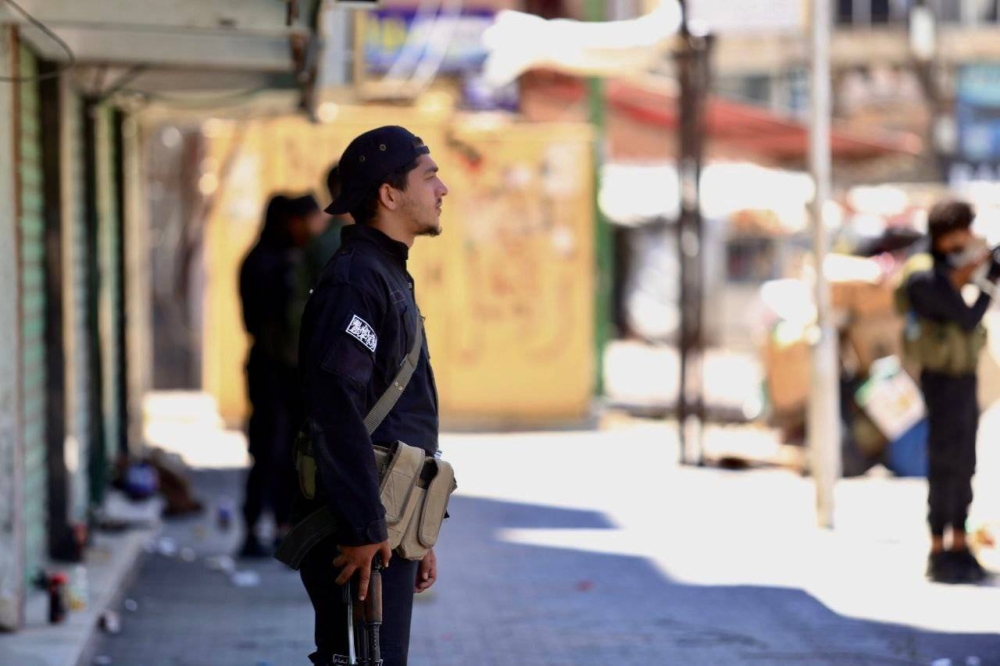
كانت الأوساط العلوية تتوقع مجازر ودماء تملأ شوارع الساحل السوري بعد وصول «هيئة تحرير الشام» إلى الحكم وسقوط بشار الأسد، إلا أن المفاجأة التي يعترف بها طيف واسع من العلويين هي حالة ضبط النفس التي تحلت بها الإدارة السورية الجديدة، التي استندت إلى إستراتيجية «اذهبوا فأنتم الطلقاء».
شكلت هذه الإستراتيجية صيغة جديدة وسمة من سمات الدولة السورية، بسبب ميل نظام الرئيس أحمد الشرع إلى طي صفحة الدم في سورية والدخول في مرحلة سياسية جديدة عنوانها هدوء المجتمع والتعامل مع التاريخ على أنه خطأ لا بد أن ننساه.
بعد مرور أربعة أشهر، قلب فلول النظام السوري هذه المعادلة ودفعوا القيادة السورية الجديدة إلى استخدام القوة بعد أن كادت مناطق الساحل السوري أن تقع بيد الفلول، وكان رد الفعل قوياً وصادماً لهذه القوى المهزومة ووقعت أحداث الساحل في السادس من مارس الماضي، التي اعترفت بها السلطة الجديدة في دمشق وأنها كانت خارجة عن إرادتها نتيجة تعدد القوى الفصائلية على الأرض، وذهبت دمشق إلى تشكيل لجنة تقصي الحقائق التي تستعد لنشر نتائج التحقيق.
قفزة سياسية ناجحة
بعد أربعة أيام من أحداث الساحل، قفز الرئيس الشرع قفزة سياسية ناجحة أطفأت نار أحداث الساحل بتوقيع اتفاق 10 مارس مع قائد قوات سورية الديموقراطية (قسد) مظلوم عبدي، هذا الاتفاق الذي أسس لمنهج جديد للتعامل مع شمال شرق سورية يقوم على التهدئة والتفاوض تدريجياً للتوصل إلى صيغة مقبولة من الدولة السورية، وبالفعل تم نزع الرصاص من المسدسات وبدأ مسار تفاوضي جديد على أساس اندماج «قسد» في الجيش والاعتراف بالحقوق الكردية، ونبذ خطاب الكراهية. وأشاع هذا الاتفاق روح التفاؤل في الأوساط السورية، إلا أن هذا لم يكتمل بعد جولة التفاوض في العاشر من يوليو التي انتهت بعدم التوصل إلى صيغة سياسية متقدمة عن اتفاق 10 مارس، ما دعا المبعوث الأمريكي توماس براك إلى انتقاد الحليف القديم «قسد» والقول إن «قسد» تتلكأ في تنفيذ الاتفاق وعليها أن تنسى «فدرلة سورية» وتكون في إطار الدولة السورية.
الصبر أفضل من المغامرة
لم تعلن الحكومة السورية أية نتائج لهذه الجولة وتحاشت أن تصدر بياناً يوضح ما جرى في هذه الجولة، إلا أن «قسد» حاولت أن تقول في بيان لها إن الأجواء إيجابية مع دمشق، وهي تحاول ألا تدفع الحكومة السورية إلى نوع من العمل العسكري أو حتى التفكير به وتبقي الباب مفتوحاً للتفاوض كسباً للوقت ومحاولة إبداء حسن النوايا، إلا أن هذا لم يعجب حكومة دمشق التي تستعجل بشكل واضح على طي كل الملفات الخلافية في الداخل السوري للتفرغ لبناء منظومة قوية من العلاقات الدولية والإقليمية.
ونتيجة سياسة النفس الطويل التي تعتمدها «قسد» ومحاولة تلطيف الأجواء السياسية مع دمشق، فضلت الأخيرة الصبر «المحدود» مع «قسد» لعدة اعتبارات، منها أمنية وعسكرية ودولية؛ لأن أي صدام مع شمال شرق سورية ستكون له تداعيات كبيرة في سورية على الأقل بسبب التوازن العسكري بين الطرفين، فضلاً عن أن هذه المناطق لا تزال تحت سيطرة الجيش الأمريكي.
حاولت دمشق تجاوز عدم نجاح جولة المفاوضات الأخيرة مع وفد «قسد»، اعتقاداً أن هذا المسار لا يشكل تقويضاً لسلطة دمشق، وعلى اعتبار أنه مسار برعاية أمريكية لا بد الوصول إلى حل في نهاية المطاف، على قاعدة الصبر الإستراتيجي أفضل من المغامرة، والسير إلى جانب الرؤية الأمريكية التي باتت أقرب إلى رؤية دمشق.
سيناريو أحداث الساحل السوري
بين أحداث الساحل ومسار التفاوض مع «قسد» ظلت الإشكالية الدرزية عالقة بين دمشق والسويداء، واتجهت دمشق إلى تجاهل السويداء وتصريحات القيادات الدينية في السويداء التي تطاولت على مقام رئاسة الجمهورية إلى أن وصلت بالقيادات الدينية الدرزية إلى توجيه اتهامات بالإرهاب لها، وحافظت دمشق على وتيرة الهدوء تجنباً لأية تداعيات إقليمية في موضوع السويداء وحرصاً على عدم تكرار سيناريو أحداث الساحل السوري، لكن على ما يبدو وصلت دمشق إلى نقطة «للصبر حدود» وهي ترى أن بقعة من أرضها بدأت تظهر وكأنها خارج الدولة وخارج فلك دمشق، لتبدأ عملية عسكرية يوم 13 يوليو الجاري أخذت طابع الحسم تجاه كل ما يجري في السويداء وطي صفحة الانعزالية وإعادة السيطرة على هذه المدينة، تارة بالقوة العسكرية وتارة باستخدام وجهاء السويداء وبعض رجال الدين (شيوخ العقل)، وبدأ أن الصبر انتهى تماماً على حالة السويداء وأن «آخر العلاج الكي» مهما كلف الأمر، لأن هيبة وسلطة الدولة تحتاج إلى قرارات كبيرة وجريئة.
قراءة سياسية جديدة
هذا المشهد العسكري الذي في كثير من الأحيان اضطرت الحكومة السورية إلى اتباعه أفرز قراءة سياسية جديدة للرئيس الشرع بأن وجود حالات خاصة ومحاولات لتقويض حكومة دمشق لا يمكن السكوت عنه، وكل حالة حسب سياقها الخاص بدءاً من الساحل إلى السويداء وما بينهما «قسد».
يستبعد الكثير من المراقبين ومن يقرأ السياسة السورية الجديدة أي عمل عسكري تجاه «قسد» لاعتبارات سابقة تم ذكرها في البداية، منها العامل الأمريكي وعامل القوة العسكرية المتوازن بين الطرفين، لكن الواقع لا يتفق كثيراً مع هذه الرؤية، فكل ما حدث في سورية على مدار 7 أشهر لم يخضع للمنطق السياسي ولا المعالجة المنطقية، خصوصاً أن دمشق باتت يوماً بعد يوم تثبت أركان المركزية السياسية والعسكرية وأن القوة باتت علاجاً نافعاً في كثير من المقاربات، ولعل التعامل مع قوات سورية الديموقراطية يأتي في هذا السياق اللامنطقي، خصوصاً أن الرئيس الشرع أتقن تماماً التعامل مع التوازنات الدولية ومع الغايات الدولية والإقليمية، رغم الإرادة المشتركة بين «قسد» ودمشق للتوصل إلى صفقة ناجحة، لكن في كثير من الأحيان تفرض المعطيات مفاجآت وخطوات جريئة.
في النتيجة كل شيء مسموح في الحب والحرب، وكل شيء غير متوقع هو العنوان الحقيقي لسورية الجديدة، لكن الخلاصة الواضحة في كثير من المواقف في سورية أن الرئيس الشرع يتبع فلسفة «للصبر حدود»، ترافقه محدودية استخدام القوة، ولعل مسار الشرع يكشف أن الوصول إلى الغايات ليس صعباً ولا ينسى بالتقادم.
فهل يتم التوصل إلى حل مع «قسد» بعد لهيب أحداث الساحل السوري، ونهاية صفحة اللامركزية الإدارية في السويداء؟
The Alawite circles expected massacres and blood to fill the streets of the Syrian coast after the arrival of "Hay'at Tahrir al-Sham" to power and the fall of Bashar al-Assad. However, the surprise that a wide spectrum of Alawites acknowledges is the self-restraint exhibited by the new Syrian administration, which relied on the strategy of "Go, you are free."
This strategy formed a new formula and a characteristic of the Syrian state, due to President Ahmad al-Shara's inclination to turn the page on bloodshed in Syria and enter a new political phase characterized by societal calm and treating history as a mistake that must be forgotten.
After four months, remnants of the Syrian regime overturned this equation and pushed the new Syrian leadership to use force after the coastal areas of Syria were on the verge of falling into the hands of the remnants. The reaction was strong and shocking for these defeated forces, and the events of the coast occurred on March 6, which the new authority in Damascus acknowledged was beyond its control due to the multiplicity of factional forces on the ground. Damascus then went on to form a fact-finding committee that is preparing to publish the results of the investigation.
A successful political leap
Four days after the coastal events, President al-Shara made a successful political leap that extinguished the flames of the coastal events by signing the March 10 agreement with the commander of the Syrian Democratic Forces (SDF), Mazloum Abdi. This agreement established a new approach to dealing with northeastern Syria based on de-escalation and gradual negotiation to reach an acceptable formula from the Syrian state. Indeed, the bullets were removed from the guns, and a new negotiating path began based on the integration of the SDF into the army and recognition of Kurdish rights, while rejecting hate speech. This agreement spread a spirit of optimism in Syrian circles, but this was not completed after the negotiation round on July 10, which ended without reaching a more advanced political formula than the March 10 agreement. This prompted U.S. envoy Thomas Barak to criticize the old ally "SDF," stating that "SDF" is procrastinating in implementing the agreement and must forget "the federalization of Syria" and operate within the framework of the Syrian state.
Patience is better than adventure
The Syrian government did not announce any results from this round and avoided issuing a statement clarifying what transpired during this round. However, the "SDF" tried to convey in a statement that the atmosphere is positive with Damascus, attempting not to push the Syrian government towards any military action or even thinking about it, keeping the door open for negotiation to buy time and show goodwill. However, this did not please the Damascus government, which is clearly eager to close all contentious files within Syria to focus on building a strong system of international and regional relations.
As a result of the long-term strategy adopted by the "SDF" and its attempts to soften the political atmosphere with Damascus, the latter preferred "limited" patience with the "SDF" for several considerations, including security, military, and international; because any clash with northeastern Syria would have significant repercussions in Syria, at least due to the military balance between the two sides, in addition to the fact that these areas remain under U.S. control.
Damascus tried to overlook the failure of the last round of negotiations with the "SDF" delegation, believing that this path does not undermine Damascus's authority, considering it a U.S.-sponsored path that must ultimately lead to a solution, based on the principle that strategic patience is better than adventure, and moving alongside the U.S. vision, which has become closer to Damascus's vision.
Scenario of the Syrian coastal events
Between the coastal events and the negotiation path with the "SDF," the Druze issue remained unresolved between Damascus and Sweida. Damascus chose to ignore Sweida and the statements of religious leaders in Sweida that encroached upon the presidency, to the point where the Druze religious leaders directed accusations of terrorism against it. Damascus maintained a calm pace to avoid any regional repercussions regarding Sweida and to ensure that the scenario of the Syrian coastal events would not be repeated. However, it seems that Damascus reached a point where "patience has its limits," seeing that a part of its territory began to appear as if it were outside the state and outside the orbit of Damascus. This led to a military operation on July 13 that took on a decisive character regarding everything happening in Sweida, closing the chapter on isolation and regaining control of this city, sometimes through military force and sometimes by using the notables of Sweida and some religious figures (Sheikhs of the Mind). It appeared that patience had completely run out regarding the situation in Sweida and that "the last remedy is cauterization," no matter the cost, because the prestige and authority of the state require bold and significant decisions.
A new political reading
This military scene, which at many times forced the Syrian government to adopt, has produced a new political reading for President al-Shara that the existence of special cases and attempts to undermine the Damascus government cannot be overlooked, with each case depending on its specific context, from the coast to Sweida and everything in between, including the "SDF."
Many observers and those reading the new Syrian politics rule out any military action against the "SDF" for previously mentioned reasons, including the American factor and the balanced military power between the two sides. However, reality does not align much with this view, as everything that has happened in Syria over the past seven months has not adhered to political logic or logical treatment, especially since Damascus is increasingly establishing the pillars of political and military centralization, and that power has become a useful remedy in many approaches. Perhaps dealing with the Syrian Democratic Forces falls within this illogical context, especially since President al-Shara has mastered dealing with international balances and international and regional goals. Despite the shared will between the "SDF" and Damascus to reach a successful deal, many times the circumstances impose surprises and bold steps.
In conclusion, everything is permissible in love and war, and everything unexpected is the true title of the new Syria. However, the clear takeaway in many situations in Syria is that President al-Shara follows the philosophy of "patience has its limits," accompanied by a limited use of force. Perhaps al-Shara's path reveals that reaching goals is neither difficult nor forgotten with the passage of time.
Will a solution be reached with the "SDF" after the flames of the Syrian coastal events and the end of the administrative decentralization page in Sweida?