


أعلن الرئيس الأمريكي دونالد ترمب اليوم (الثلاثاء) رفضه الاستهداف الأوكراني للعاصمة الروسية موسكو، بعد أن قالت صحيفة «فايننشال تايمز» إن ترمب طرح على زيلينسكي إمكانية شن هجوم مضاد محتمل، وسأل نظيره الأوكراني إن كانت بلاده قادرة على استهداف موسكو إذا زودتها واشنطن بأسلحة بعيدة المدى.
ورد ترمب على سؤال للصحفيين في البيت الأبيض عما إذا كان قد طلب من زيلينسكي استهداف موسكو، قال ترمب «عليه عدم القيام بذلك»، وفي ما يتعلق بما إذا كان يستعد لتزويد أوكرانيا بالصواريخ بعيدة المدى، شدد ترمب بالقول: «كلا، لا نتطلع إلى ذلك».
وكانت صحيفة «فايننشال تايمز» قد نقلت عن شخصين مطلعين على فحوى الاتصال أن ترمب تحدّث إلى زيلينسكي يوم 4 يوليو، غداة المحادثات التي أجراها مع الرئيس الروسي فلاديمير بوتين وبحث معه إرسال صواريخ «أتاكمز» الأمريكية الصنع إلى أوكرانيا.
وقللت المتحدثة باسم البيت الأبيض كارولاين ليفيت من أهمية تقرير «فايننشال تايمز» مشيرة في بيان إلى أن الصحيفة معروفة بأنها تخرج الكلمات عن سياقها بشكل كبير لحصد عدد أكبر من القراءات.
وقالت ليفيت: الرئيس ترمب كان يطرح سؤالاً لا أكثر، لا يشجع على مزيد من القتل، إنه يعمل بلا كلل لإيقاف القتل وإيقاف هذه الحرب.
بالمقابل، أكد وزير الخارجية الروسي سيرجي لافروف، اليوم أن بلاده تريد أن تفهم الدوافع وراء تصريحات الرئيس الأمريكي دونالد ترمب، الذي منح موسكو مهلة للتوصل إلى اتفاق لوقف إطلاق النار في أوكرانيا خلال 50 يوماً، أو مواجهة عقوبات اقتصادية جديدة.
وقال لافروف الذي يشارك في الاجتماع الـ25 لوزراء خارجية منظمة شنغهاي للتعاون في مدينة تيانجين بشمال الصين: «موسكو تريد فهم دوافع تصريح ترمب بشأن مهلة 50 يوماً لتسوية الأزمة الأوكرانية»، معتبراً أن الرئيس الأمريكي يتعرض لضغوط هائلة من الاتحاد الأوروبي وقيادة حلف شمال الأطلسي (الناتو) الحالية، الذين يطالبون بتزويد كييف بالسلاح.
وأشار لافروف إلى أن بلاده تتأقلم مع العقوبات وستتأقلم مع أي عقوبات جديدة، محذراً من أن من يؤججون حروب العقوبات ضد روسيا سيتضررون هم أنفسهم.
في الوقت ذاته، نقلت وسائل إعلام غربية عن ثلاثة مصادر مقربة من الكرملين قولها إن الرئيس الروسي فلاديمير بوتين لا يكترث بتهديدات نظيره الأمريكي دونالد ترمب بتشديد العقوبات على موسكو، ويعتزم مواصلة القتال في أوكرانيا حتى يأخذ الغرب شروطه من أجل السلام على محمل الجد، وقد تتوسع مطالباته بالسيادة على الأراضي التي يستولى عليها مع تقدم القوات الروسية.
وأشارت المصادر إلى أن بوتين يعتقد أن اقتصاد روسيا وجيشها قويان بما يكفي لتجاوز أي إجراءات غربية إضافية.
وسط امتعاض روسي.. الرئيس الأمريكي يعلن رفضه الاستهداف الأوكراني لموسكو
15 يوليو 2025 - 23:09
|
آخر تحديث 15 يوليو 2025 - 23:09
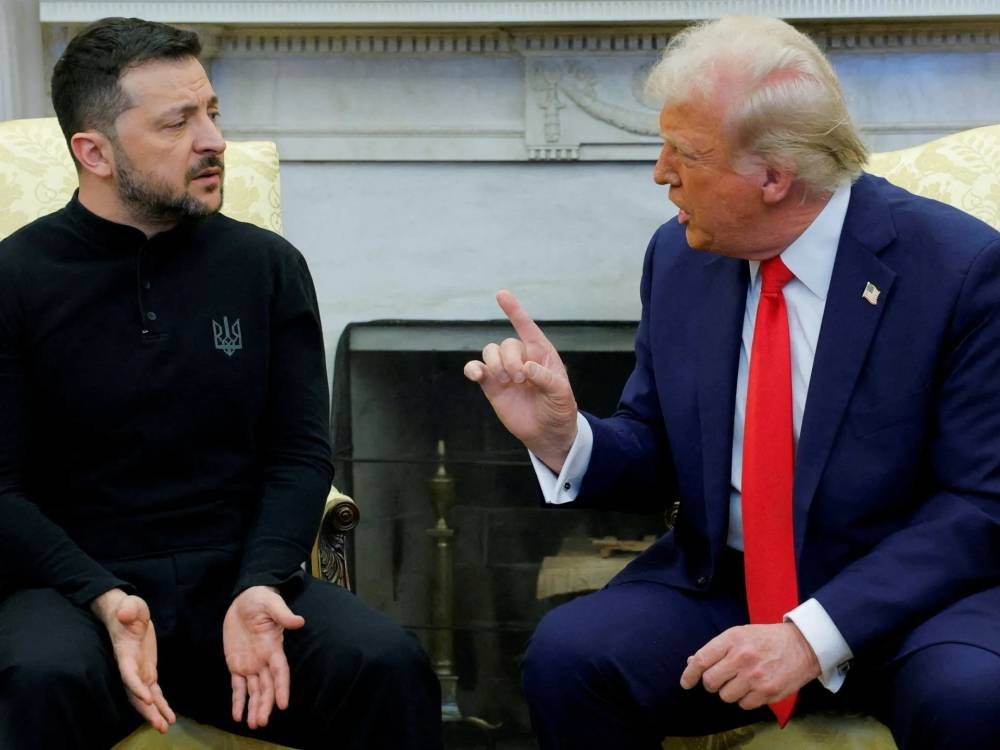
زيلينسكي وترمب


تابع قناة عكاظ على الواتساب
«عكاظ» (جدة) okaz_online@
U.S. President Donald Trump announced today (Tuesday) his rejection of the Ukrainian targeting of the Russian capital, Moscow, after the Financial Times reported that Trump proposed to Zelensky the possibility of a potential counterattack and asked his Ukrainian counterpart if his country could target Moscow if Washington provided it with long-range weapons.
In response to a question from reporters at the White House about whether he had asked Zelensky to target Moscow, Trump said, "He should not do that." Regarding whether he was preparing to supply Ukraine with long-range missiles, Trump emphasized, saying, "No, we are not looking to do that."
The Financial Times reported that two people familiar with the contents of the call said Trump spoke to Zelensky on July 4, the day after his talks with Russian President Vladimir Putin, during which he discussed sending U.S.-made ATACMS missiles to Ukraine.
White House spokesperson Caroline Levitt downplayed the significance of the Financial Times report, stating in a statement that the newspaper is known for taking words out of context to garner more reads.
Levitt said: "President Trump was just asking a question, nothing more. He is not encouraging more killing; he is tirelessly working to stop the killing and end this war."
Meanwhile, Russian Foreign Minister Sergei Lavrov confirmed today that his country wants to understand the motives behind U.S. President Donald Trump's statements, who gave Moscow a 50-day deadline to reach a ceasefire agreement in Ukraine or face new economic sanctions.
Lavrov, who is participating in the 25th meeting of the Shanghai Cooperation Organization foreign ministers in Tianjin, northern China, said: "Moscow wants to understand the motives behind Trump's statement regarding the 50-day deadline to resolve the Ukrainian crisis," considering that the U.S. president is under immense pressure from the European Union and the current NATO leadership, who are demanding that Kyiv be supplied with weapons.
Lavrov noted that his country is adapting to the sanctions and will adapt to any new sanctions, warning that those who fuel sanctions wars against Russia will harm themselves.
At the same time, Western media reported from three sources close to the Kremlin that Russian President Vladimir Putin does not care about U.S. President Donald Trump's threats to tighten sanctions on Moscow and intends to continue fighting in Ukraine until the West takes his conditions for peace seriously, and his demands for sovereignty over the territories he occupies may expand as Russian forces advance.
The sources indicated that Putin believes that Russia's economy and military are strong enough to withstand any additional Western measures.


