


أعلن الأردن اليوم (الثلاثاء) نجاح تحقيقات السلطات المختصة في الكشف عن وجود نشاط مالي غير قانوني ضلعت به جماعة الإخوان الإرهابية المحظورة طوال الأعوام الماضية داخلياً وخارجياً، تزايدت وتيرته في آخر 8 سنوات.
ونقلت وكالة الأنباء الأردنية (بترا) عن السلطات الأردنية تأكيدها أن الجماعة كونت شبكة مالية ضخمة ومعقدة كانت تتأتى مواردها من مصادر عدة أبرزها جمع التبرعات التي كانت تقوم بها جمعيات تنشط في هذا المجال بشكل غير قانوني، ومن عوائد استثمارات أقيمت بشكل مباشر وبالباطن داخل المملكة الأردنية وخارجها، إضافة إلى الاشتراكات الشهرية من داخل الأردن وخارجه.
وأشارت إلى أن التحقيقات والمضبوطات التي اطلعت «بترا» عليها أثبت مضمونها أن الجماعة التي يُفترض أنها منحلة وعملها غير قانوني، حازت وتحت عناوين مختلفة على عشرات الملايين من الدنانير استُثمر جزء منها في شراء شقق خارج الأردن، كما استُخدمت الأموال لأغراض غير مشروعة قانوناً، ومنها ما سُجل بأسماء أفراد ينتمون للجماعة عن طريق ملكيات مباشرة أو أسهم في بعض الشركات، مبينة أن التحقيقات أظهرت حتى الآن جمع ما يزيد على 30 مليون دينار في السنوات الأخيرة، وكانت الجماعة المحظورة ترسل المبالغ التي تقوم بجمعها إلى دول عربية وإقليمية ودول خارج الإقليم، بينما استخدم جزء من تلك الأموال لحملات سياسية داخلية عام 2024، فضلاً عن تمويل الجماعة لأنشطة وخلايا تم ضبطها وأحيلت للقضاء.
وذكرت الوكالة أن الأجهزة المختصة ضبطت نحو 4 ملايين دينار في يوم إعلان الحكومة عن المخطط الذي كان يستهدف الأمن الوطني منتصف أبريل الماضي، بعد أن حاول أشخاص إخفاءها داخل منازل ومستودع شمالي العاصمة عمّان بطلب من سائق يعمل لدى قيادي بالجماعة المحظورة، كما أوقفت السلطات المختصة على إثر التحقيقات والبينات والأدلة 11 شخصاً، واستدعت آخرين ممن لهم صلة بملف القضية ورُبط عدم توقيفهم بكفالة مالية.
ولفتت الوكالة إلى أن الجماعة المحظورة استغلت الأحداث في غزة لجمع التبرعات بطرق مخالفة للقانون وسط غياب لآلية معلنة وشفافة لعملية جمع الأموال التي لم يعرف ولم يعلن عن مصيرها، ومن دون الإفصاح عن مصادر تلك الأموال وحجمها وكيفية إيصالها للأهالي في القطاع، ومن دون الإعلان عن أي تنسيق مع أي منظمة دولية أو إغاثية لنقل تلك الأموال إلى أهالي غزة.
وقالت الوكالة إن الجماعة اعتمدت على وسيلتين في جمع التبرعات، إحداهما سرية وتتمثل بجمع التبرعات عن طريق بعض الجمعيات وشُعب الإخوان المحظورة (وعددها 44 شعبة) وكانت تنشط بصورة غير مشروعة مستغلةً مقرات تابعة لحزب سياسي، والوسيلة الأخرى علنية إذ كانت تُرسل للهيئة الأردنية الخيرية الهاشمية ما تجمعه من مواد عينية عبر أذرعها وبعض الجمعيات التي تدار من قبل أشخاص منتمين لها، وبلغ مجموع الأموال التي أرسلت إلى الهيئة من خلال هذه القنوات نحو 413 ألف دينار فقط (أي نحو1% فقط من مجموع التبرعات التي كشفت عنها التحقيقات والتي لا تزال مستمرة).
وذكرت الوكالة أن الجماعة أحاطت عملية جمع الأموال المُتبرَع بها وإرسالها للخارج بسرية بالغة وفق آلية وُزعت فيها الأدوار على مسؤولين داخل التنظيم وفرد يقيم بعمّان مرتبط بتنظيم خارجي، وقد نشأت نتيجة هذا النشاط دورة مالية غير قانونية ذات مكتومية عالية اعتمدت على أساليب مالية مشبوهة، ولم يُعلن عن مجموع التبرعات التي كانت تنقل وتسلم باليد وتخبأ في البيوت والمستودعات.
وبينت التحقيقات أن الأموال كانت تحوّل من الدينار إلى الدولار قبل إيداعها بمحل صرافة بالعاصمة عمّان واتخذت بحقه الإجراءات القانونية، وكان يحول الأموال بطرق غير قانونية إلى محل صرافة بالخارج، وفي بعض الأحيان كانت الأموال تنقل عن طريق رزمها من محل الصرافة بعمّان وشحنها جواً إلى الخارج، وأحياناً كان يتم تهريب الأموال إلى الخارج عن طريق أحد أفراد الجماعة المحظورة الذي كان يتردد على إحدى الدول، مبينة أن الجماعة تستخدم أحد أكثر الأحياء في عمّان اكتظاظاً بالسكان لجمع التبرعات لإحاطة عملها بحماية مجتمعية ولتشكيل غطاء للتستر على نشاطها، وقد كان لافتاً حجم المبالغ التي كانت تخرج من ذلك الحي ليتبين أنه لم يكن المصدر الرئيسي لجمع الأموال بل كان مقصداً للراغبين بالتبرع بشكل خفي.
وقالت الوكالة إن التحقيقات حتى اللحظة أظهرت عن مصادر التمويل الثابتة لدى الجماعة التي كانت ترد من الاشتراكات الشهرية للأعضاء (في الداخل والخارج) ومن الاستثمار بالشقق بدولة إقليمية وفق الاعترافات، ويصل مجموع الأموال المتأتية من هذه المصادر سنوياً نحو 1.9 مليون دينار، وفق التقديرات الأولية الناجمة عن التحقيقات، مشيرة إلى أن الأموال كان يتم جمعها وصرفها بشكل غير قانوني تستخدم لغايات سياسية وخيرية ذات مآرب سياسية، فقد كانت تُصرف على أحد الأحزاب وعلى الأدوات والأذرع والحملات الإعلامية وعلى الفعاليات والاحتجاجات، والتدخل في الانتخابات النقابية والطلابية، وصرف مرتبات شهرية لبعض السياسيين التابعين للجماعة وعلى حملاتهم الدعائية.
الأردن يكشف مصادر تمويل تنظيم الإخوان الإرهابي
15 يوليو 2025 - 22:22
|
آخر تحديث 15 يوليو 2025 - 22:22
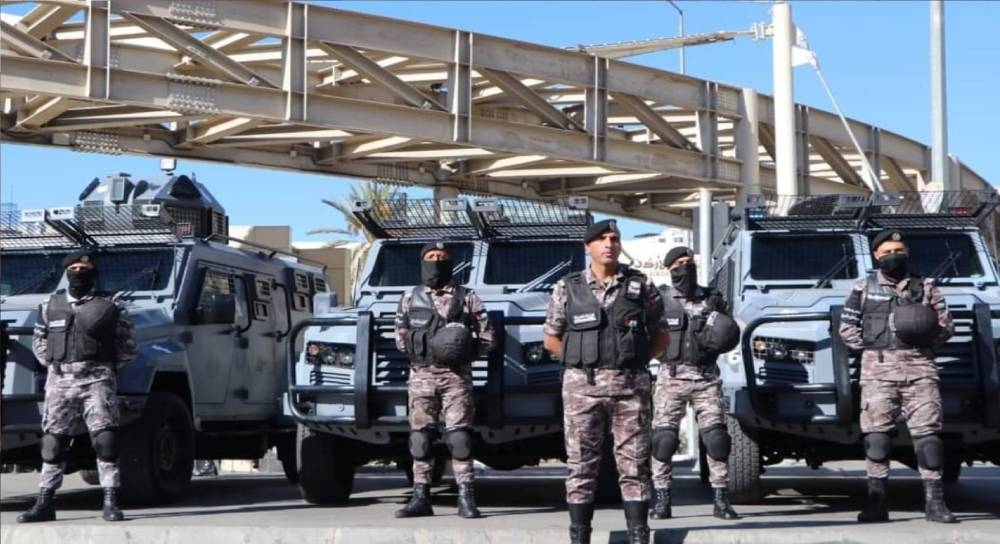
الأمن الأردني


تابع قناة عكاظ على الواتساب
«عكاظ» (عمان) okaz_online@
Jordan announced today (Tuesday) the success of investigations by the relevant authorities in uncovering illegal financial activities involving the banned terrorist group, the Muslim Brotherhood, which have persisted both domestically and internationally over the past years, with an increase in intensity over the last eight years.
The Jordan News Agency (Petra) reported that Jordanian authorities confirmed that the group had formed a vast and complex financial network, deriving its resources from several sources, the most prominent of which were illegal fundraising conducted by associations active in this field, as well as returns from investments made both directly and indirectly within and outside the Hashemite Kingdom of Jordan, in addition to monthly subscriptions from within Jordan and abroad.
It pointed out that the investigations and seizures reviewed by Petra proved that the group, which is supposed to be dissolved and whose activities are illegal, had obtained, under various titles, tens of millions of dinars, part of which was invested in purchasing apartments outside Jordan. The funds were also used for legally illicit purposes, including being registered in the names of individuals affiliated with the group through direct ownership or shares in some companies. The investigations revealed that over 30 million dinars had been collected in recent years, and the banned group sent the amounts it gathered to Arab and regional countries and countries outside the region, while part of that money was used for internal political campaigns in 2024, in addition to financing the group’s activities and cells that were seized and referred to the judiciary.
The agency mentioned that the relevant authorities seized about 4 million dinars on the day the government announced the plan targeting national security in mid-April last year, after individuals attempted to hide it inside homes and a warehouse north of the capital, Amman, at the request of a driver working for a leader of the banned group. The relevant authorities also arrested 11 individuals following the investigations, evidence, and proofs, and summoned others connected to the case, linking their non-arrest to a financial bail.
The agency noted that the banned group exploited events in Gaza to collect donations through illegal means amid the absence of a declared and transparent mechanism for the fundraising process, the fate of which remains unknown, without disclosing the sources of those funds, their size, and how they were delivered to the families in the sector, and without announcing any coordination with any international or relief organization to transfer those funds to the people of Gaza.
The agency stated that the group relied on two methods for fundraising, one of which was secret and involved collecting donations through some associations and branches of the banned Brotherhood (numbering 44 branches) that operated illegally, exploiting premises belonging to a political party. The other method was public, as they sent the collected in-kind materials to the Hashemite Charity Organization through their arms and some associations managed by individuals affiliated with them, with the total amount sent to the organization through these channels being about 413,000 dinars (only about 1% of the total donations revealed by the ongoing investigations).
The agency reported that the group surrounded the process of collecting donated funds and sending them abroad with extreme secrecy, according to a mechanism that distributed roles among officials within the organization and an individual residing in Amman linked to an external organization. As a result of this activity, a highly secretive illegal financial cycle emerged, relying on suspicious financial methods, and the total donations that were transferred and delivered by hand and hidden in homes and warehouses were not disclosed.
Investigations showed that the money was converted from dinars to dollars before being deposited at a currency exchange in the capital, Amman, where legal measures were taken against it. The money was illegally transferred to an exchange abroad, and at times, the funds were transported by bundling them from the exchange in Amman and shipping them by air abroad. Sometimes, the money was smuggled abroad by a member of the banned group who frequented one of the countries, indicating that the group used one of the most densely populated neighborhoods in Amman to collect donations to shield its work with community protection and to create a cover for concealing its activities. The amount of money that was leaving that neighborhood was striking, revealing that it was not the main source of fundraising but rather a destination for those wishing to donate discreetly.
The agency stated that investigations thus far have revealed the fixed funding sources for the group, which came from monthly subscriptions of members (inside and outside) and from investments in apartments in a regional country, according to confessions. The total amount of money generated from these sources annually is about 1.9 million dinars, based on preliminary estimates resulting from the investigations. It noted that the funds were collected and spent illegally for political and charitable purposes with political motives, as they were spent on one of the parties, on tools, arms, media campaigns, events, protests, intervention in union and student elections, and monthly salaries for some politicians affiliated with the group and their promotional campaigns.
The Jordan News Agency (Petra) reported that Jordanian authorities confirmed that the group had formed a vast and complex financial network, deriving its resources from several sources, the most prominent of which were illegal fundraising conducted by associations active in this field, as well as returns from investments made both directly and indirectly within and outside the Hashemite Kingdom of Jordan, in addition to monthly subscriptions from within Jordan and abroad.
It pointed out that the investigations and seizures reviewed by Petra proved that the group, which is supposed to be dissolved and whose activities are illegal, had obtained, under various titles, tens of millions of dinars, part of which was invested in purchasing apartments outside Jordan. The funds were also used for legally illicit purposes, including being registered in the names of individuals affiliated with the group through direct ownership or shares in some companies. The investigations revealed that over 30 million dinars had been collected in recent years, and the banned group sent the amounts it gathered to Arab and regional countries and countries outside the region, while part of that money was used for internal political campaigns in 2024, in addition to financing the group’s activities and cells that were seized and referred to the judiciary.
The agency mentioned that the relevant authorities seized about 4 million dinars on the day the government announced the plan targeting national security in mid-April last year, after individuals attempted to hide it inside homes and a warehouse north of the capital, Amman, at the request of a driver working for a leader of the banned group. The relevant authorities also arrested 11 individuals following the investigations, evidence, and proofs, and summoned others connected to the case, linking their non-arrest to a financial bail.
The agency noted that the banned group exploited events in Gaza to collect donations through illegal means amid the absence of a declared and transparent mechanism for the fundraising process, the fate of which remains unknown, without disclosing the sources of those funds, their size, and how they were delivered to the families in the sector, and without announcing any coordination with any international or relief organization to transfer those funds to the people of Gaza.
The agency stated that the group relied on two methods for fundraising, one of which was secret and involved collecting donations through some associations and branches of the banned Brotherhood (numbering 44 branches) that operated illegally, exploiting premises belonging to a political party. The other method was public, as they sent the collected in-kind materials to the Hashemite Charity Organization through their arms and some associations managed by individuals affiliated with them, with the total amount sent to the organization through these channels being about 413,000 dinars (only about 1% of the total donations revealed by the ongoing investigations).
The agency reported that the group surrounded the process of collecting donated funds and sending them abroad with extreme secrecy, according to a mechanism that distributed roles among officials within the organization and an individual residing in Amman linked to an external organization. As a result of this activity, a highly secretive illegal financial cycle emerged, relying on suspicious financial methods, and the total donations that were transferred and delivered by hand and hidden in homes and warehouses were not disclosed.
Investigations showed that the money was converted from dinars to dollars before being deposited at a currency exchange in the capital, Amman, where legal measures were taken against it. The money was illegally transferred to an exchange abroad, and at times, the funds were transported by bundling them from the exchange in Amman and shipping them by air abroad. Sometimes, the money was smuggled abroad by a member of the banned group who frequented one of the countries, indicating that the group used one of the most densely populated neighborhoods in Amman to collect donations to shield its work with community protection and to create a cover for concealing its activities. The amount of money that was leaving that neighborhood was striking, revealing that it was not the main source of fundraising but rather a destination for those wishing to donate discreetly.
The agency stated that investigations thus far have revealed the fixed funding sources for the group, which came from monthly subscriptions of members (inside and outside) and from investments in apartments in a regional country, according to confessions. The total amount of money generated from these sources annually is about 1.9 million dinars, based on preliminary estimates resulting from the investigations. It noted that the funds were collected and spent illegally for political and charitable purposes with political motives, as they were spent on one of the parties, on tools, arms, media campaigns, events, protests, intervention in union and student elections, and monthly salaries for some politicians affiliated with the group and their promotional campaigns.


