


وصف الناطق باسم الكرملين دميتري بيسكوف تصريحات الرئيس الأمريكي دونالد ترمب بشأن انتقاداته لنظيره الروسي فلاديمير بوتين بأنها «خطيرة للغاية»، وقال إن الكرملين يحتاج إلى وقت لتحليلها.
وكان ترمب أعلن، أمس (الإثنين)، أن واشنطن ستواصل إمداد أوكرانيا بالأسلحة بتمويل أوروبي، وستفرض رسوماً جمركية على روسيا وشركائها التجاريين حال فشلت موسكو في التوصل لاتفاق بشأن التسوية بأوكرانيا خلال 50 يوماً. وأعرب الرئيس الأمريكي مجدداً عن «خيبة أمله» من الرئيس الروسي فلاديمير بوتين، متهماً إياه بعدم الرغبة في إنهاء النزاع في أوكرانيا.
وقال بيسكوف للصحفيين اليوم (الثلاثاء): «تصريحات الرئيس الأمريكي خطيرة للغاية، وبعضها موجهة للرئيس فلاديمير بوتين شخصياً. نحتاج بالتأكيد إلى وقت لتحليل ما قيل في واشنطن». وأضاف أن بوتين سيعلق بنفسه على تصريحات ترمب، «إذا ومتى رأى ذلك ضرورياً».
وأكد بيسكوف أن موسكو لا تزال مستعدة لجولة ثالثة من المفاوضات مع كييف، لكنها لم تتلق أي مقترحات لعقد اجتماع حتى الآن. واعتبر أن كييف لا تنظر إلى القرارات المتخذة في واشنطن وحلف الناتو على أنها إشارة للسلام، بل أنها إشارة لمواصلة الحرب. ولفت ناطق الرئاسة الروسية إلى أن واشنطن تريد رؤية حوار بين موسكو وكييف، بينما تريد أوروبا رؤية تصعيد للأعمال العدائية، بدلاً من انتقال إلى المسار السلمي.
وأعلن أن الكرملين لا يتفق مع تقييم الأمين العام لحلف الناتو مارك روته لتكوين الوفد الروسي في المحادثات مع أوكرانيا، موضحاً أن رئيس الوفد الروسي فلاديمير ميدينسكي أعلى درجة من رئيس الوفد الأوكراني وفق تصنيف المناصب الحكومية.
وألمح بيسكوف إلى أن تصريحات ترمب قد تشجع كييف وتعرقل جهود السلام، معتبراً أن «قراراً كهذا اتخذ على ما يبدو في واشنطن ودول حلف شمال الأطلسي ومباشرة في بروكسل، لن تعتبره كييف إشارة إلى السلام بل إلى مواصلة الحرب».
من جانبه، رأى الجانب الأوكراني أن إجراء مزيد من المحادثات مع الوفد الروسي الحالي «لا طائل منه»، معتبراً أنه يفتقر إلى أي تفويض لتقديم تنازلات، وأنه انتهى بجولتين من المحادثات بسلسلة من المطالب غير المقبولة لدى كييف.
أكد أنها تشجع كييف وتعرقل جهود السلام
الكرملين: تصريحات ترمب «خطيرة».. ومنفتحون على محادثات مع أوكرانيا
15 يوليو 2025 - 15:14
|
آخر تحديث 15 يوليو 2025 - 15:14
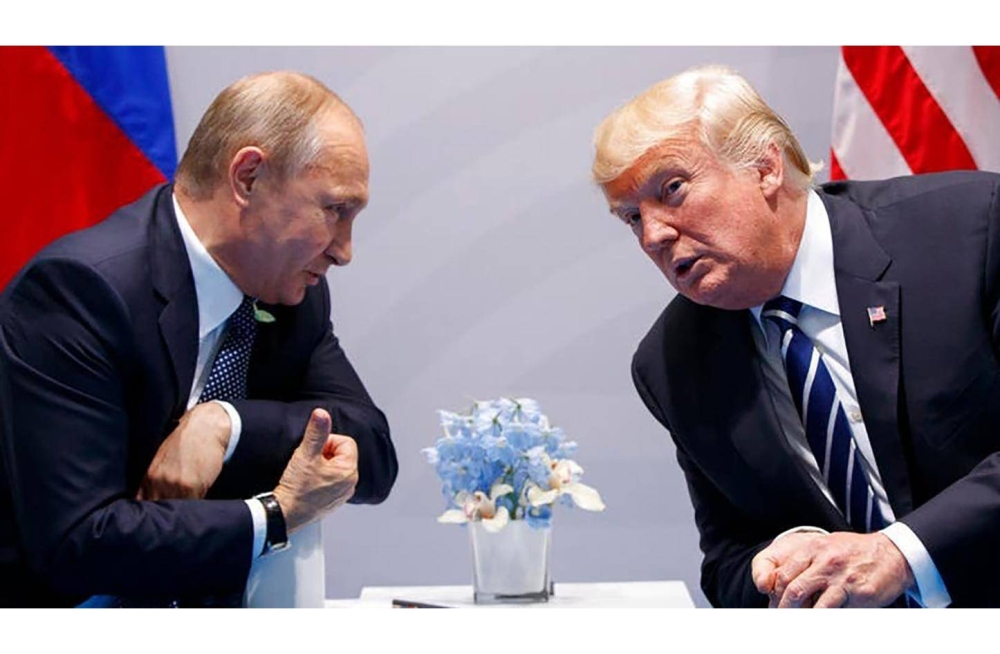
ترمب وبوتين في لقاء سابق


تابع قناة عكاظ على الواتساب
«عكاظ» (موسكو، جدة) OKAZ_ONLINE@
The spokesperson for the Kremlin, Dmitry Peskov, described U.S. President Donald Trump's statements regarding his criticisms of Russian President Vladimir Putin as "extremely dangerous," adding that the Kremlin needs time to analyze them.
Trump announced yesterday (Monday) that Washington would continue supplying Ukraine with weapons funded by Europe and would impose tariffs on Russia and its trading partners if Moscow failed to reach an agreement on a settlement in Ukraine within 50 days. The U.S. President again expressed his "disappointment" with Russian President Vladimir Putin, accusing him of not wanting to end the conflict in Ukraine.
Peskov told reporters today (Tuesday): "The statements of the U.S. President are extremely dangerous, some of which are directed personally at President Vladimir Putin. We definitely need time to analyze what was said in Washington." He added that Putin would comment on Trump's statements himself, "if and when he sees it necessary."
Peskov confirmed that Moscow is still ready for a third round of negotiations with Kyiv, but it has not received any proposals for a meeting so far. He considered that Kyiv does not view the decisions made in Washington and NATO as a signal for peace, but rather as a signal to continue the war. The Russian presidential spokesperson pointed out that Washington wants to see dialogue between Moscow and Kyiv, while Europe wants to see an escalation of hostilities, rather than a transition to a peaceful path.
He announced that the Kremlin disagrees with NATO Secretary General Mark Rutte's assessment of the composition of the Russian delegation in talks with Ukraine, clarifying that the head of the Russian delegation, Vladimir Medinsky, holds a higher rank than the head of the Ukrainian delegation according to the classification of government positions.
Peskov hinted that Trump's statements could encourage Kyiv and hinder peace efforts, considering that "a decision like this seems to have been made in Washington and NATO countries and directly in Brussels, which Kyiv will not see as a signal for peace but as a continuation of the war."
For its part, the Ukrainian side sees further talks with the current Russian delegation as "futile," considering that it lacks any mandate to make concessions and has ended two rounds of talks with a series of unacceptable demands from Kyiv.
Trump announced yesterday (Monday) that Washington would continue supplying Ukraine with weapons funded by Europe and would impose tariffs on Russia and its trading partners if Moscow failed to reach an agreement on a settlement in Ukraine within 50 days. The U.S. President again expressed his "disappointment" with Russian President Vladimir Putin, accusing him of not wanting to end the conflict in Ukraine.
Peskov told reporters today (Tuesday): "The statements of the U.S. President are extremely dangerous, some of which are directed personally at President Vladimir Putin. We definitely need time to analyze what was said in Washington." He added that Putin would comment on Trump's statements himself, "if and when he sees it necessary."
Peskov confirmed that Moscow is still ready for a third round of negotiations with Kyiv, but it has not received any proposals for a meeting so far. He considered that Kyiv does not view the decisions made in Washington and NATO as a signal for peace, but rather as a signal to continue the war. The Russian presidential spokesperson pointed out that Washington wants to see dialogue between Moscow and Kyiv, while Europe wants to see an escalation of hostilities, rather than a transition to a peaceful path.
He announced that the Kremlin disagrees with NATO Secretary General Mark Rutte's assessment of the composition of the Russian delegation in talks with Ukraine, clarifying that the head of the Russian delegation, Vladimir Medinsky, holds a higher rank than the head of the Ukrainian delegation according to the classification of government positions.
Peskov hinted that Trump's statements could encourage Kyiv and hinder peace efforts, considering that "a decision like this seems to have been made in Washington and NATO countries and directly in Brussels, which Kyiv will not see as a signal for peace but as a continuation of the war."
For its part, the Ukrainian side sees further talks with the current Russian delegation as "futile," considering that it lacks any mandate to make concessions and has ended two rounds of talks with a series of unacceptable demands from Kyiv.


