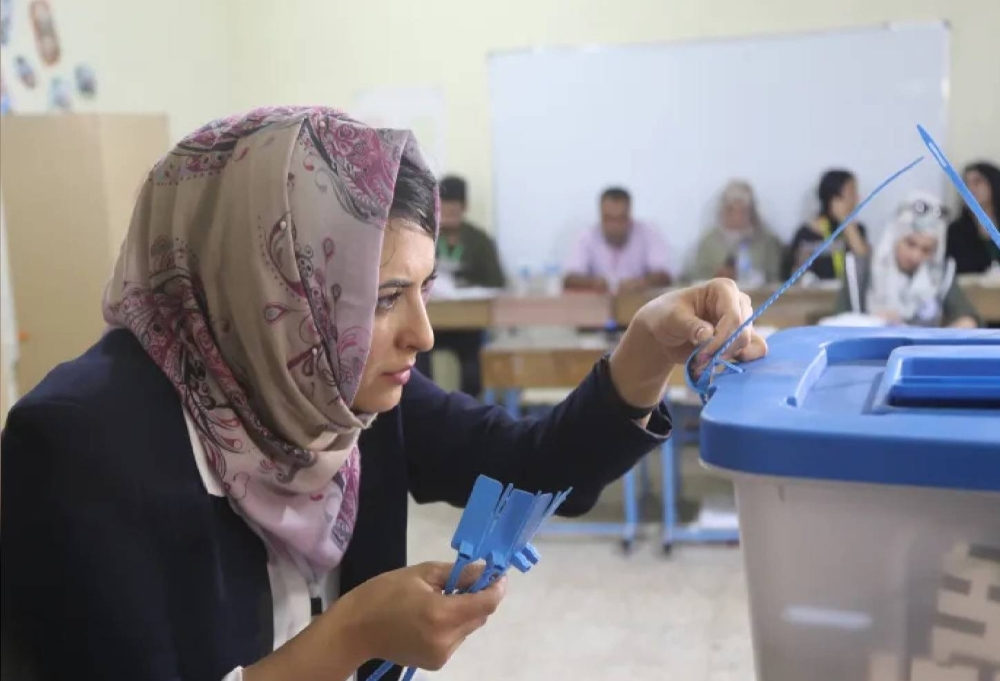
تتوالى انسحابات الأطراف السياسية من الانتخابات النيابية القادمة المقررة في شهر نوفمبر 2025، فبعد تأكيد زعيم التيار الصدري مقتدى الصدر مقاطعة تياره، وسبقه رئيسا الوزراء السابقان حيدر العبادي ومصطفى الكاظمي، جاء دور البيت الكردي ممثلا بالحزب الديمقراطي الكردستاني الذي يتزعمه مسعود البرزاني، الذي يتجه للانسحاب ومقاطعة الانتخابات القادمة، على خلفية تفاقم الأزمة بين حكومة الإقليم والمركز بسبب قضية رواتب موظفي إقليم كردستان المجمدة منذ أكثر من شهرين.
الإطار التنسيقي (المشكل لحكومة السوداني)، يعيش حالياً أقصى الضغوطات السياسية لخشيته أن يكون الخاسر الأكبر في الانتخابات القادمة، إذ بدأ رئيس الحكومة الحالي تشكيل كتلة سياسية بمعزل عن الإطار التنسيقي، وتلميح مقتدى الصدر من خلال إحدى منشوراته أنه قد يعطي أوامره لجمهور التيار الصدري بالتصويت لكتلة (لم يسمها) تسعى إلى حل الحشد الشعبي وسحب السلاح المنفلت ومحاربة الفساد، وبالتأكيد لن يكون هذا التصويت لصالح الإطار التنسيقي نظراً للخلافات الكبيرة مع أعضائه، علماً أن غالبية نواب الإطار التنسيقي نالوا عضوية مجلس النواب بعد انسحاب أعضاء التيار الصدري البالغ عددهم 72 نائباً.
لكن الأمر الأخطر ما جاء في مقابلة رئيس مجلس النواب الحالي محمود المشهداني مع إحدى الفضائيات العراقية وقوله: «هناك رسائل أمريكية وجهت إلى جميع القادة السياسيين بضرورة حل الحشد الشعبي وسحب السلاح المنفلت، وهو ما قد يضعف الإطار التنسيقي تحديداً في الانتخابات النيابية القادمة بشكل أكبر».
وأضاف المشهداني أن العراق قد يكون مقبلاً على موجة احتجاجات كبيرة، وقد نلجأ لتشكيل حكومة طوارئ، ما يعني أنه يفترض أن الانتخابات قد لا تحدث في موعدها المحدد بعد ثلاثة أشهر من الآن.
هذه الأحداث التي تتسارع في العراق، تطرح تساؤلات ومخاوف الشارع العراقي:
ماذا لو جرت الانتخابات وفشل الإطار التنسيقي والذي يضم في أطرافه غالبية قادة الفصائل المسلحة؟ هل سيعترفون بنتائجها ويتقبلونها؟ أم سيسعون لبث الفوضى والاحتجاجات المشابهة لما حدث في الانتخابات الماضية عندما حقق التيار الصدري مقاعد الأغلبية؟ ماذا لو فازت كتلة مدعومة من جمهور التيار الصدري وأرادت سحب السلاح المنفلت وحل الحشد الشعبي ومحاسبة الفاسدين؟ هل سيحدث تصادم مسلح بين الحكومة القادمة والفصائل المسلحة؟
الأيام أو الأسابيع القليلة القادمة قد تكشف لنا إجابات عن كل هذه المخاوف والتساؤلات والهواجس التي يعيشها الشارع العراقي.
The withdrawals of political parties from the upcoming parliamentary elections scheduled for November 2025 continue. After the confirmation of the Sadrist movement leader Muqtada al-Sadr to boycott his bloc, and following the previous Prime Ministers Haider al-Abadi and Mustafa al-Kadhimi, it is now the turn of the Kurdish house represented by the Kurdistan Democratic Party led by Masoud Barzani, which is heading towards withdrawal and boycotting the upcoming elections, against the backdrop of the escalating crisis between the regional government and the center due to the issue of the salaries of Kurdistan Region employees that have been frozen for more than two months.
The Coordination Framework (formed for al-Sudani's government) is currently experiencing the utmost political pressures due to its fear of being the biggest loser in the upcoming elections, as the current Prime Minister has begun to form a political bloc separate from the Coordination Framework. Muqtada al-Sadr hinted through one of his posts that he might give orders to the Sadrist movement's supporters to vote for a bloc (which he did not name) that seeks to dissolve the Popular Mobilization Forces, control unregulated weapons, and combat corruption. This vote will certainly not be in favor of the Coordination Framework given the significant disagreements with its members, knowing that the majority of the Coordination Framework's deputies gained membership in the House of Representatives after the withdrawal of 72 Sadrist deputies.
However, the more dangerous matter was what the current Speaker of the House, Mahmoud al-Mashhadani, said in an interview with one of the Iraqi satellite channels: "There are American messages directed to all political leaders emphasizing the necessity of dissolving the Popular Mobilization Forces and controlling unregulated weapons, which could weaken the Coordination Framework specifically in the upcoming parliamentary elections even more."
Al-Mashhadani added that Iraq may be heading towards a wave of large protests, and we may resort to forming an emergency government, which means that elections may not take place at their scheduled time three months from now.
These rapidly unfolding events in Iraq raise questions and concerns among the Iraqi street:
What if the elections are held and the Coordination Framework, which includes the majority of armed faction leaders, fails? Will they acknowledge and accept the results? Or will they seek to spread chaos and protests similar to what happened in the last elections when the Sadrist movement achieved a majority of seats? What if a bloc supported by the Sadrist movement's supporters wins and wants to control unregulated weapons, dissolve the Popular Mobilization Forces, and hold the corrupt accountable? Will there be armed clashes between the upcoming government and the armed factions?
The coming days or weeks may reveal answers to all these fears, questions, and anxieties that the Iraqi street is experiencing.