


كشفت وثيقة أوروبية عن 10 خيارات أمام الاتحاد الأوروبي لاتخاذ إجراء سياسي ضد إسرائيل بعد أن وجد مؤشرات الشهر الماضي أفادت بأن الاحتلال انتهك التزامات تتعلق بحقوق الإنسان بموجب اتفاقية تنظم العلاقة بين الجانبين.
وأفادت الوثيقة التي أعدها الجهاز الدبلوماسي للاتحاد الأوروبي، بأن من بين تلك الخيارات: التعليق الكامل أو الجزئي لاتفاقية الشراكة، ويمكن أن يشمل التعليق الجزئي المعاملة التجارية التفضيلية أو الحوار السياسي مع إسرائيل.
وحسب الوثيقة، فإن الاتحاد بمقدوره تعليق مشاركة إسرائيل في برامج الاتحاد الأوروبي للطلاب والعلماء مثل برنامج «إيراسموس بلس» للتبادل الطلابي أو «برنامج هورايزون للأبحاث الأكاديمية». وتحدثت عن خيارات يمكن اتباعها خارج نطاق اتفاقية الشراكة، مثل فرض عقوبات على وزراء إسرائيليين بسبب انتهاكات حقوق الإنسان، أو فرض حظر على الأسلحة التي يمكن استخدامها في غزة.
وذكرت الوثيقة أن التكتل الأوروبي يمكن أن يمنع سفر الإسرائيليين إلى دول التكتل دون تأشيرة أو يحظر تلقي واردات من المستوطنات في الأراضي الفلسطينية، أو يمكن لدول بالاتحاد الأوروبي أن تقرر بشكل منفرد تطبيق مثل هذا الحظر.
ورغم أنه لا توجد أي إشارة إلى أن الكثير من دول الاتحاد الأوروبي ستفضل الإجراءات الأكثر صرامة التي وردت في وثيقة الخيارات، فإن تقرير الشهر الماضي وورقة المتابعة يعكسان رغبة على الأقل في الإشارة إلى خيبة أمل كبيرة لدى الاتحاد تجاه حكومة رئيس الوزراء بنيامين نتنياهو المطلوب للجنائية الدولية لارتكابه جرائم حرب في قطاع غزة.
وتتطلب معظم الإجراءات، التي تم طرحها أمس (الخميس)، موافقة جميع الدول الأعضاء بالاتحاد البالغ عددها 27 دولة أو أغلبية منها. فيما اعتبر دبلوماسيون أن من غير الواضح ما إذا كان هناك استعداد من عدد كاف من الدول الأعضاء للمضي قدما في أي من الخيارات المطروحة.
من جهتها، قالت الممثلة العليا للسياسة الخارجية بالاتحاد الأوروبي كايا كالاس: إن التكتل توصل إلى اتفاق مع إسرائيل لتحسين الوضع الإنساني في قطاع غزة، بما في ذلك زيادة عدد شاحنات المساعدات وفتح المعابر وإعادة فتح طرق المساعدات.
ومن المرجح أن يناقش وزراء خارجية الاتحاد الأوروبي تلك الخيارات في اجتماع في بروكسل الثلاثاء القادم.
وتوصلت دائرة السياسة الخارجية بالاتحاد الشهر الماضي إلى استنتاج حذر مفاده أن «هناك مؤشرات» على انتهاك إسرائيل التزاماتها بمجال حقوق الإنسان، وذلك في مراجعة لاتفاقية الشراكة بين الاتحاد وإسرائيل التي دخلت حيز التنفيذ عام 2000، وتشكّل أساس العلاقة بين الطرفين فيما يتعلق بالتجارة والتعاون الاجتماعي والبيئي.
واستندت المراجعة، التي أطلقتها كالاس تحت ضغط الدول الأعضاء التي روعها الحصار الإنساني المفروض على قطاع غزة، إلى المادة الثانية من الاتفاقية، وهي تنص على أن احترام حقوق الإنسان والمبادئ الديمقراطية «عنصر أساسي».
يناقشها وزراء خارجية الاتحاد الثلاثاء القادم
10 خيارات أوروبية لمعاقبة إسرائيل
11 يوليو 2025 - 12:21
|
آخر تحديث 11 يوليو 2025 - 12:21
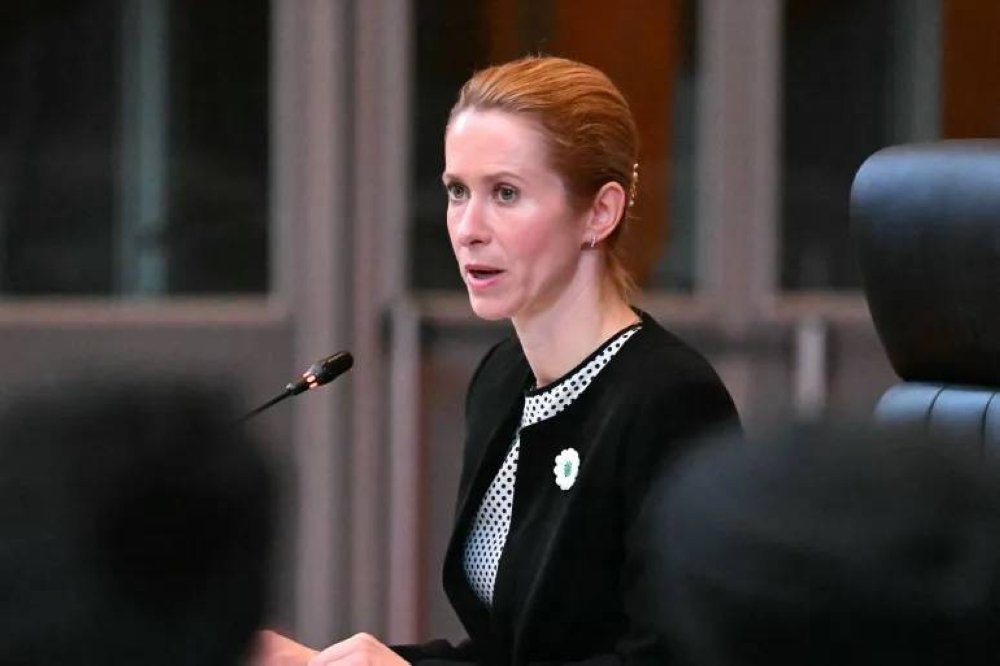
الممثلة العليا للسياسة الخارجية بالاتحاد الأوروبي كايا كالاس


تابع قناة عكاظ على الواتساب
«عكاظ» وكالات (جدة) okaz_online@
A European document revealed 10 options for the European Union to take political action against Israel after finding indicators last month that the occupation violated commitments related to human rights under an agreement governing the relationship between the two sides.
The document prepared by the EU's diplomatic service indicated that among those options are: the complete or partial suspension of the partnership agreement, which could include a partial suspension of preferential trade treatment or political dialogue with Israel.
According to the document, the Union could suspend Israel's participation in EU programs for students and scholars, such as the "Erasmus Plus" student exchange program or the "Horizon" academic research program. It mentioned options that could be pursued outside the framework of the partnership agreement, such as imposing sanctions on Israeli ministers for human rights violations or imposing an arms embargo that could be used in Gaza.
The document stated that the European bloc could prevent Israelis from traveling to EU countries without a visa or ban imports from settlements in the Palestinian territories, or EU countries could individually decide to implement such a ban.
Although there is no indication that many EU countries would prefer the stricter measures outlined in the options document, last month's report and the follow-up paper reflect at least a desire to signal significant disappointment from the Union towards Prime Minister Benjamin Netanyahu's government, which is wanted by the International Criminal Court for committing war crimes in Gaza.
Most of the measures proposed yesterday (Thursday) require the approval of all 27 member states of the Union or a majority of them. Diplomats considered it unclear whether there is sufficient willingness among member states to move forward with any of the proposed options.
For her part, the EU's High Representative for Foreign Affairs, Kaja Kallas, stated that the bloc reached an agreement with Israel to improve the humanitarian situation in Gaza, including increasing the number of aid trucks, opening crossings, and reopening aid routes.
EU foreign ministers are likely to discuss those options at a meeting in Brussels next Tuesday.
Last month, the EU's foreign policy department reached a cautious conclusion that "there are indicators" of Israel's violation of its commitments in the field of human rights, in a review of the partnership agreement between the EU and Israel that came into effect in 2000, which forms the basis of the relationship between the two parties regarding trade and social and environmental cooperation.
The review, initiated by Kallas under pressure from member states alarmed by the humanitarian blockade imposed on Gaza, was based on the second article of the agreement, which states that respect for human rights and democratic principles is a "fundamental element."
The document prepared by the EU's diplomatic service indicated that among those options are: the complete or partial suspension of the partnership agreement, which could include a partial suspension of preferential trade treatment or political dialogue with Israel.
According to the document, the Union could suspend Israel's participation in EU programs for students and scholars, such as the "Erasmus Plus" student exchange program or the "Horizon" academic research program. It mentioned options that could be pursued outside the framework of the partnership agreement, such as imposing sanctions on Israeli ministers for human rights violations or imposing an arms embargo that could be used in Gaza.
The document stated that the European bloc could prevent Israelis from traveling to EU countries without a visa or ban imports from settlements in the Palestinian territories, or EU countries could individually decide to implement such a ban.
Although there is no indication that many EU countries would prefer the stricter measures outlined in the options document, last month's report and the follow-up paper reflect at least a desire to signal significant disappointment from the Union towards Prime Minister Benjamin Netanyahu's government, which is wanted by the International Criminal Court for committing war crimes in Gaza.
Most of the measures proposed yesterday (Thursday) require the approval of all 27 member states of the Union or a majority of them. Diplomats considered it unclear whether there is sufficient willingness among member states to move forward with any of the proposed options.
For her part, the EU's High Representative for Foreign Affairs, Kaja Kallas, stated that the bloc reached an agreement with Israel to improve the humanitarian situation in Gaza, including increasing the number of aid trucks, opening crossings, and reopening aid routes.
EU foreign ministers are likely to discuss those options at a meeting in Brussels next Tuesday.
Last month, the EU's foreign policy department reached a cautious conclusion that "there are indicators" of Israel's violation of its commitments in the field of human rights, in a review of the partnership agreement between the EU and Israel that came into effect in 2000, which forms the basis of the relationship between the two parties regarding trade and social and environmental cooperation.
The review, initiated by Kallas under pressure from member states alarmed by the humanitarian blockade imposed on Gaza, was based on the second article of the agreement, which states that respect for human rights and democratic principles is a "fundamental element."


