


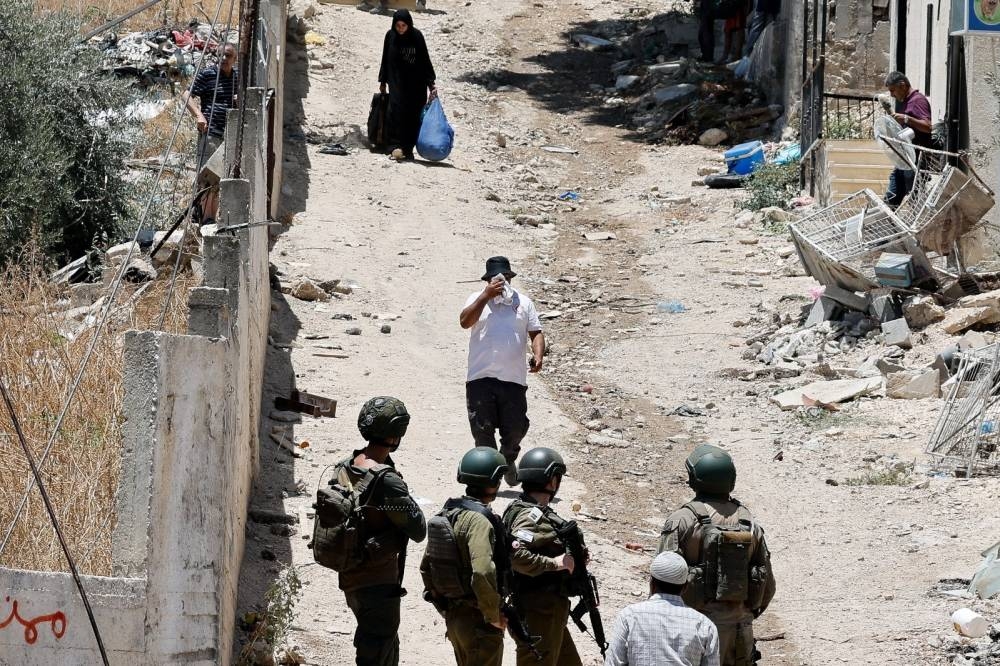
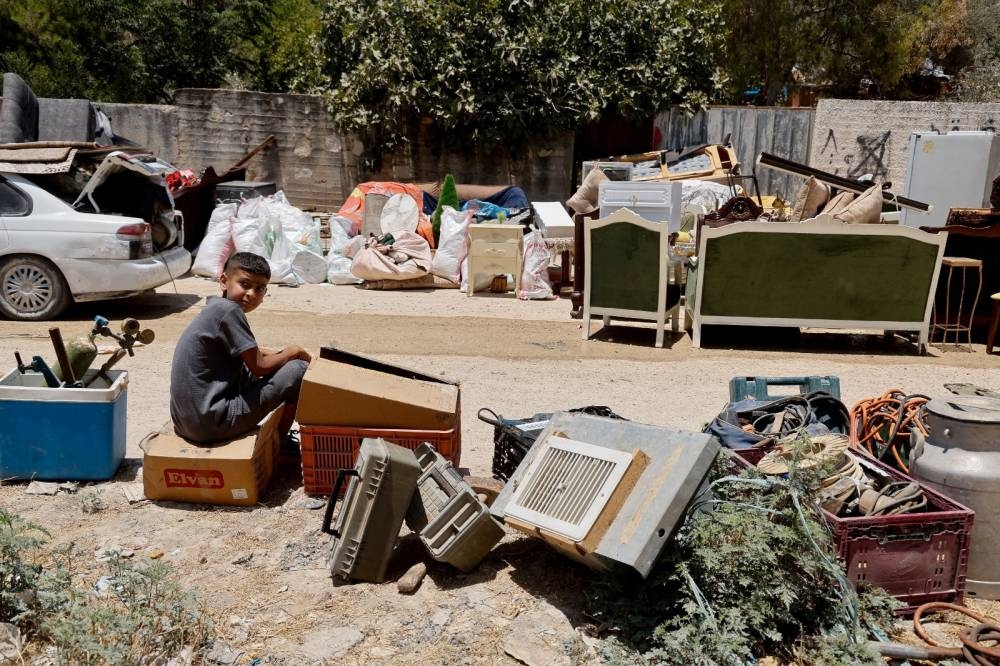
وسعت سلطات الاحتلال الإسرائيلي من عمليات هدم المنازل في الضفة الغربية المحتلة، وأجبرت الفلسطينيين على النزوح من منازلهم وسط عملية عسكرية مستمرة في مخيمي جنين وطولكرم للاجئين.
وكشف مركز المعلومات الإسرائيلي لحقوق الإنسان في الأراضي المحتلة (بتسيلم)، أن تلك العمليات أجبر عشرات الآلاف من الفلسطينيين على ترك منازلهم.
وأعلن المركز المستقل أن نحو 40 ألفاً من سكان مخيمات طولكرم ونور شمس وجنين نزحوا بسبب العمليات العسكرية هذا العام.
وأثارت عمليات الهدم الإسرائيلية لمنازل الفلسطينيين انتقادات دولية واسعة النطاق، وتزامنت مع تزايد المخاوف بين الفلسطينيين من جهود منظمة من جانب إسرائيل لضم الضفة الغربية التي استولت عليها في حرب عام 1967.
وأكد شهود عيان أن الجرافات تتحرك بين أنقاض مبان وطرق جديدة واسعة تتناثر الأنقاض والكتل الأسمنتية على جانبيها. وأخذ السكان يكدسون متعلقاتهم من مقاعد وأغطية وأدوات طهي فوق الشاحنات.
من جانبه، قال محافظ طولكرم عبد الله كميل إن أعمال الهدم زادت في الأسابيع الماضية وجرى تدمير 106 منازل و104 مبان أخرى في مخيمي طولكرم ونور شمس القريبين. وأكد أن ما يجري في طولكرم جريمة مستمرة بقرار سياسي إسرائيلي لا علاقة له بالأمن.
وأفاد بأن النزوح يشكل ضغطاً على مجتمع يعاني اقتصادياً بالفعل. ولجأ الآلاف إلى مساجد ومدارس ومنازل يكتظون فيها مع ذويهم.
وبدأت العملية الإسرائيلية في شمال الضفة الغربية في شهر يناير الماضي، وهي واحدة من أكبر العمليات التي ينفذها الاحتلال منذ الانتفاضة الثانية قبل أكثر من 20 عاماً.
ويشارك فيها عدة فرق من الجيش مدعومة بطائرات مسيرة وطائرات هليكوبتر، وكذلك دبابات قتالية ثقيلة للمرة الأولى منذ عقود.
وسعت هدم المنازل وأجبرت السكان على النزوح
إسرائيل تشرد 40 ألف فلسطيني من مخيمي جنين وطولكرم
9 يوليو 2025 - 15:01
|
آخر تحديث 9 يوليو 2025 - 15:01


تابع قناة عكاظ على الواتساب
«عكاظ» (جدة) okaz_online@
Israeli occupation authorities have expanded the demolition of homes in the occupied West Bank, forcing Palestinians to flee their homes amid an ongoing military operation in the Jenin and Tulkarm refugee camps.
The Israeli Information Center for Human Rights in the Occupied Territories (B'Tselem) revealed that these operations have forced tens of thousands of Palestinians to leave their homes.
The independent center announced that about 40,000 residents of the Tulkarm, Nur Shams, and Jenin camps have been displaced due to military operations this year.
The Israeli demolition of Palestinian homes has sparked widespread international criticism and coincided with increasing fears among Palestinians of organized efforts by Israel to annex the West Bank, which it seized in the 1967 war.
Eyewitnesses confirmed that bulldozers are moving among the rubble of buildings, with wide new roads scattered with debris and concrete blocks on either side. Residents have begun to pile their belongings, including chairs, blankets, and cooking utensils, onto trucks.
For his part, Tulkarm Governor Abdullah Kmeil stated that demolition activities have increased in recent weeks, with 106 homes and 104 other buildings destroyed in the nearby Tulkarm and Nur Shams camps. He affirmed that what is happening in Tulkarm is an ongoing crime driven by an Israeli political decision unrelated to security.
He reported that the displacement is putting pressure on a community that is already suffering economically. Thousands have sought refuge in mosques, schools, and homes, overcrowding with their families.
The Israeli operation in the northern West Bank began last January and is one of the largest operations carried out by the occupation since the second intifada more than 20 years ago.
It involves several army units supported by drones, helicopters, and heavy combat tanks for the first time in decades.
The Israeli Information Center for Human Rights in the Occupied Territories (B'Tselem) revealed that these operations have forced tens of thousands of Palestinians to leave their homes.
The independent center announced that about 40,000 residents of the Tulkarm, Nur Shams, and Jenin camps have been displaced due to military operations this year.
The Israeli demolition of Palestinian homes has sparked widespread international criticism and coincided with increasing fears among Palestinians of organized efforts by Israel to annex the West Bank, which it seized in the 1967 war.
Eyewitnesses confirmed that bulldozers are moving among the rubble of buildings, with wide new roads scattered with debris and concrete blocks on either side. Residents have begun to pile their belongings, including chairs, blankets, and cooking utensils, onto trucks.
For his part, Tulkarm Governor Abdullah Kmeil stated that demolition activities have increased in recent weeks, with 106 homes and 104 other buildings destroyed in the nearby Tulkarm and Nur Shams camps. He affirmed that what is happening in Tulkarm is an ongoing crime driven by an Israeli political decision unrelated to security.
He reported that the displacement is putting pressure on a community that is already suffering economically. Thousands have sought refuge in mosques, schools, and homes, overcrowding with their families.
The Israeli operation in the northern West Bank began last January and is one of the largest operations carried out by the occupation since the second intifada more than 20 years ago.
It involves several army units supported by drones, helicopters, and heavy combat tanks for the first time in decades.


