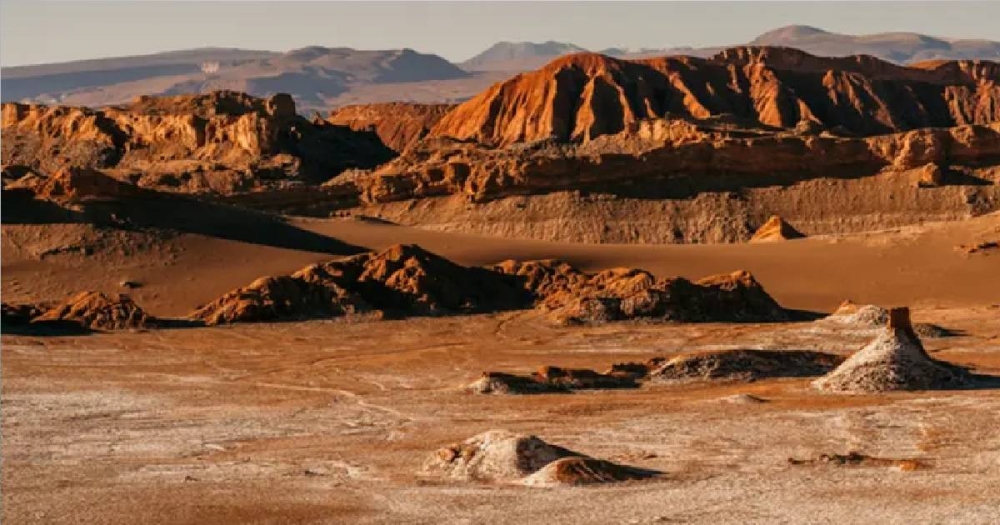
فيما تجري الاستعدادات بين أخاديد صحراء يوتا الشامخة على بُعد نحو 11 كيلومتراً من أقرب مدينة لتهيئة البشر للحياة على المريخ، كشفت وكالة الفضاء الأمريكية «ناسا» عن السبب وراء اختفاء المياه والحياة بشكل كامل من على كوكب المريخ.
وذكرت أنها حاولت التوصل إلى إجابة على السؤال الذي لطالما شغل العلماء، وهو: لماذا يُعتبر المريخ قاحلاً وغير صالح للسكن، بينما ازدهرت الحياة على كوكب الأرض المشابه له نسبياً؟ وأوضحت دراسة جديدة أن اكتشافاً توصلت إليه مركبة جوالة تابعة لوكالة «ناسا» قد قدّم إجابة على هذا اللغز، مشيرة إلى أنه على الرغم من أن الأنهار كانت تتدفق بشكل متقطع على المريخ، إلا أنه كان مُقدّراً له أن يكون كوكباً صحراوياً في معظمه.
وأفاد تقرير نشره موقع «ساينس أليرت» الأمريكي، أن الاعتقاد السائد لدى العلماء هو أن المريخ يحتوي حالياً على جميع المكونات الضرورية للحياة باستثناء العنصر الأهم وهو الماء السائل، لكن دراسة في النشرة الدورية «نيتشر» أشارت إلى أن المريخ كان يخوض فترات قصيرة من الدفء ووجود الماء، سرعان ما انتهت بسبب آلية ذاتية أعادت الكوكب إلى حالته الصحراوية القاحلة.
ويرى الباحثون أن هذه الدورة، التي تفتقر إلى التوازن بين ثاني أكسيد الكربون الداخل والخارج من الغلاف الجوي، تفسر غياب الاستقرار المناخي على المريخ، على عكس الأرض التي نجحت في الحفاظ على قابليتها للحياة عبر ملايين السنين.
وبينت تحليل مجموعة من الصور التي التقطها مسبار «كيريوسيتي» التابع لوكالة الفضاء الأمريكية أثناء صعوده جبل «شارب» على سطح المريخ، وتظهر مشهداً خلاباً للمنحدرات الحمراء الجافة التي لطالما حيّرت العلماء، إذ تشير أدلة كثيرة إلى أن هذا الكوكب، الذي يبدو اليوم كصحراء مجمدة، كان يوماً ما يحتضن أنهاراً وبحيرات، وربما مناخاً شبيهاً بالأرض.
وتقدم الدراسة تفسيراً جديداً ومثيراً لهذا التحول الدراماتيكي، وتستند إلى اكتشافٍ مهم، أُعلِن عنه في أبريل، حين عثر «كيريوسيتي» أخيراً على صخور غنية بكربونات الكالسيوم، وهي المعادن التي يُعتقد أنها خزّنت كميات هائلة من ثاني أكسيد الكربون من الغلاف الجوي المريخي، ويؤكد العلماء أن الفترات الدافئة التي سمحت بوجود الماء السائل على سطح المريخ لم تكن إلا استثناءات نادرة، وليست القاعدة، فالمريخ كوكب يميل إلى العودة إلى حالته الصحراوية بشكل طبيعي.
من جهة أخرى، تجري المنشأة البحثية، التي صممتها «جمعية المريخ»، وهي منظمة غير ربحية تُدير محطة أبحاث صحراء المريخ تدريبات تناظرية للحياة المتوقعة على الكوكب الأحمر، وبحسب التقارير الإعلامية فإن العمل الذي تجريه المنشآت البحثية يشبه إلى حدٍ كبير عملاً سينمائياً.
وتقوم المجموعة المسماة بـ«الطاقم 315» بتمثيل الروتين اليومي الممل للحياة خارج الأرض، إلا أنه يمهد الطاقم نفسياً على هذا النوع من الأعمال، وبحسب مسؤول الصحة والسلامة في الطاقم 315 أوربان كوي فإن«محطة أبحاث صحراء المريخ تعد أفضل بيئة تناظرية لرواد الفضاء، وتضاريسها تُشبه إلى حد كبير تضاريس المريخ، والبروتوكولات والأبحاث والعلوم والهندسة التي تُجرى هنا تُشبه إلى حد كبير ما سنفعله لو سافرنا إلى المريخ»، بحسب ما ذكره لشبكة (سي إن بي سي).
وعاش طاقم 315، المكون من 5 أفراد، أسبوعين في محطة الأبحاث متبعين الإجراءات نفسها المتبعة على المريخ، ويرى قائد الطاقم، ديفيد لود أن أيام الأسبوعين كانت أياماً عادية، مشيراً إلى أنهم كانوا يجتمعون الساعة السابعة صباحاً حول طاولة مشتركة في الطابق العلوي ويتناولون الإفطار حوالى الساعة الثامنة، ويعقد أول اجتماع لتخطيط اليومي وعادةً ما يكون لديهم نشاط خارج المركبة لشخصين أو 3، ونشاط آخر بعد الظهر.
وأشار إلى أن مصطلح «النشاط خارج المركبة» مفهوم بالمصطلح الأرضي، لكنه في قاموس وكالة الفضاء الأمريكية «ناسا» يشير إلى السير في الفضاء، إذ يغادر رواد الفضاء محطة الفضاء المضغوطة ويضطرون إلى ارتداء بدلات فضائية للبقاء على قيد الحياة في الفضاء.
وأشار مهندس الطاقم مايكل أندروز إلى أن التحدي الأكبر في هذه المهمات التناظرية هو مجرد الدخول في إيقاع منتظم، مبيناً أن المخاطر على الأرض أقل، إلا أن أداء هذه المهمات اليومية على المريخ هو ما يبقي على قيد الحياة.
من جهته يشدد الرئيس التنفيذي لشركة «سبيس إكس»، إيلون ماسك على أن شركته قادرة على نقل البشر إلى المريخ بحلول 2029.
As preparations are underway among the towering canyons of Utah's desert, about 11 kilometers from the nearest city, to prepare humans for life on Mars, the American space agency "NASA" revealed the reason behind the complete disappearance of water and life from the planet Mars.
It mentioned that it has tried to find an answer to the question that has long occupied scientists: Why is Mars considered barren and uninhabitable, while life has thrived on Earth, which is relatively similar? A new study clarified that a discovery made by a rover belonging to NASA has provided an answer to this mystery, indicating that although rivers intermittently flowed on Mars, it was destined to be mostly a desert planet.
A report published by the American website "Science Alert" stated that the prevailing belief among scientists is that Mars currently contains all the necessary components for life except for the most important element, which is liquid water. However, a study in the journal "Nature" indicated that Mars experienced short periods of warmth and the presence of water, which quickly ended due to a self-regulating mechanism that returned the planet to its barren desert state.
Researchers believe that this cycle, which lacks a balance between carbon dioxide entering and exiting the atmosphere, explains the absence of climatic stability on Mars, unlike Earth, which has succeeded in maintaining its habitability over millions of years.
Analysis of a set of images captured by NASA's "Curiosity" rover while ascending Mount "Sharp" on the surface of Mars reveals a breathtaking view of the dry red slopes that have long puzzled scientists. Numerous pieces of evidence suggest that this planet, which today appears as a frozen desert, once harbored rivers and lakes, and perhaps a climate similar to that of Earth.
The study offers a new and exciting explanation for this dramatic transformation, based on an important discovery announced in April when "Curiosity" finally found rocks rich in calcium carbonate, minerals believed to have stored vast amounts of carbon dioxide from the Martian atmosphere. Scientists confirm that the warm periods that allowed for the presence of liquid water on the surface of Mars were merely rare exceptions, not the rule, as Mars is a planet that tends to naturally revert to its desert state.
On the other hand, the research facility designed by the "Mars Society," a non-profit organization managing the Mars Desert Research Station, conducts analog training for expected life on the red planet. According to media reports, the work being done at the research facilities is quite similar to cinematic work.
The group called "Crew 315" represents the mundane daily routine of life beyond Earth, yet it psychologically prepares the crew for this type of work. According to the health and safety officer for Crew 315, Urban Koy, "The Mars Desert Research Station is the best analog environment for astronauts, and its terrain closely resembles that of Mars. The protocols, research, science, and engineering conducted here are very similar to what we would do if we traveled to Mars," he stated to CNBC.
Crew 315, consisting of 5 members, lived for two weeks at the research station following the same procedures as those on Mars. The crew leader, David Lood, noted that the days of the two weeks were ordinary days, pointing out that they would gather at 7 a.m. around a shared table upstairs and have breakfast around 8 a.m. They would hold the first meeting to plan the day, usually having an outside activity for two or three people, and another activity in the afternoon.
He indicated that the term "extravehicular activity" is understood in earthly terms, but in NASA's dictionary, it refers to walking in space, as astronauts leave the pressurized space station and must wear space suits to survive in space.
Crew engineer Michael Andrews pointed out that the biggest challenge in these analog missions is simply getting into a regular rhythm, noting that the risks on Earth are lower, but performing these daily tasks on Mars is what keeps them alive.
For his part, SpaceX CEO Elon Musk emphasizes that his company is capable of transporting humans to Mars by 2029.