


في اللحظة التي يُنتظر فيها توقيع اتفاق وقف إطلاق النار في غزة، تتقدم الأسئلة على الإجابات، وتتداخل الهواجس مع الآمال. فهل نحن أمام صفقة تُنهي حرباً دموية امتدت منذ أكتوبر 2023، أم أمام مشهد يعيد رسم خريطة القطاع المنكوب على وقع سياسة «الاحتلال الناعم»؟
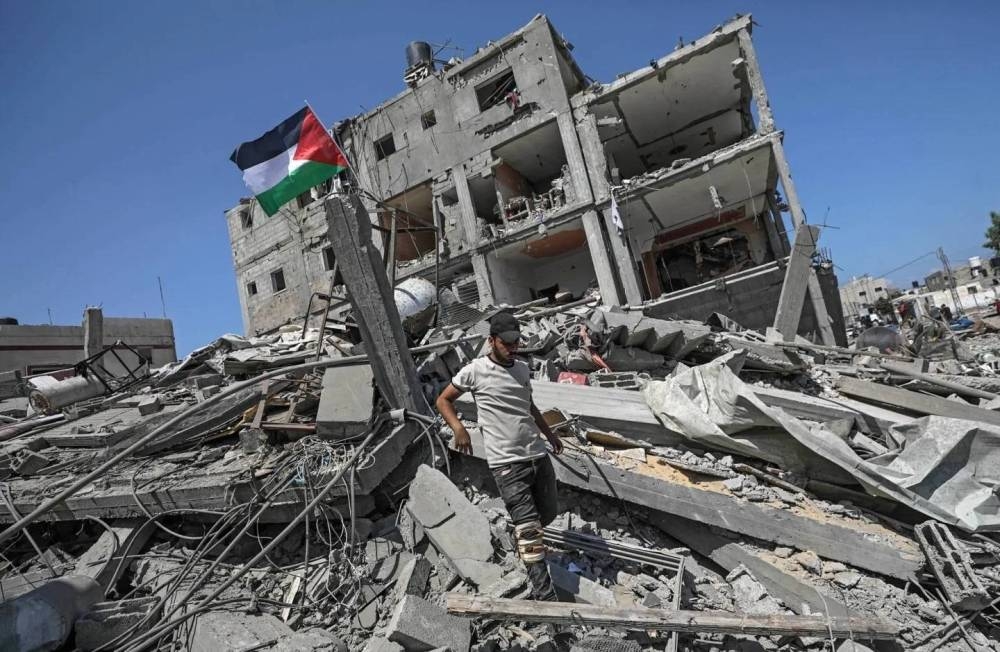
تتحرك الدبلوماسية على وقع النار، وتبنى التفاهمات فوق ركام البيوت والأحياء، لكنّ أحداً لا يستطيع حتى اللحظة حسم طبيعة المرحلة القادمة: تسوية تنهي الحرب؟ أم تمهيد لوجود إسرائيلي مستدام داخل غزة تحت مسمى «الأمن»؟
في كواليس الصفقة
من واشنطن إلى الدوحة، مروراً بالقاهرة وتل أبيب، تُنسج خيوط اتفاق هشّ يفترض أن يُفضي إلى وقف دائم لإطلاق النار مقابل صفقة تبادل رهائن ومساعدات إنسانية وربما لاحقاً إعادة إعمار مشروطة.
لكن الحذر يعلو على التفاؤل، إذ تؤكد مصادر دبلوماسية أن الخلاف لا يزال مستمراً حول التوقيت والمرحلية، خصوصاً في بند انسحاب الجيش الإسرائيلي من القطاع.
فبينما تبدي إسرائيل «مرونة جزئية» وفق تسريبات دبلوماسية، تُصر على إبقاء ما تسميه «نطاقاً أمنياً» جنوب غزة في ما يشبه إعادة صياغة لمفهوم الاحتلال، ولكن بلغة جديدة: قوات منتشرة، مسيّرات دائمة وسيطرة استخباراتية على المعابر، وكل ذلك خارج التعريف التقليدي للاحتلال.
وفي هذا الإطار، أعلن البيت الأبيض أن رئيس الوزراء الإسرائيلي بنيامين نتنياهو سيزور واشنطن في الـ7 من يوليو، بدعوة من الرئيس دونالد ترمب، لبحث «ترتيبات ما بعد وقف إطلاق النار»، وسط حديث متزايد عن صفقة أسلحة ضخمة، وتفاهمات أمريكية – إسرائيلية تتجاوز حدود غزة إلى الإقليم الأوسع.
العقبة الأهم والرؤية المتناقضة
تكمن المعضلة في التناقض الجذري بين أهداف الطرفين: إسرائيل ترى أن انسحاباً كاملاً من دون «ضمانات ميدانية» يعني تكرار سيناريو 2005؛ أي الانسحاب دون نتائج سياسية حاسمة، مع بقاء حماس.
أما حماس، فتعتبر أن بقاء أي جندي إسرائيلي على الأرض، أو استمرار الحصار، يعني أن الحرب لم تنتهِ بعد، وأن وقف إطلاق النار مجرد استراحة مقنّعة لاحتلال يتجدد بأدوات أكثر نعومة.
في هذا السياق، طرحت مصر وقطر تصوراً يقضي بانسحاب متدرج ومتزامن مع إطلاق الرهائن، وتشكيل لجنة أمنية عربية تشرف على الانتقال. لكن إسرائيل ترفض أي صيغة تتضمن «انسحاباً غير مشروط»، فيما تُبقي الإدارة الأمريكية على غموضها التكتيكي؛ دعماً لنتنياهو في الداخل وحرصاً على عدم انفراط التفاهم الإقليمي.
مواقف متباينة.. وسكوت دولي في المشهد الدولي، تبرز مفارقة لافتة: الإدارة الأمريكية تدفع باتجاه «هدنة ممكنة»، لكنها لا تمارس ضغطاً حقيقياً على تل أبيب للانسحاب الكامل.
الأمم المتحدة تكتفي بالتحذير من «كارثة إنسانية»، من دون توصيف دقيق للوضع القانوني للوجود الإسرائيلي المرتقب.
الاتحاد الأوروبي منقسم، فيما تعتمد العواصم العربية مقاربة دبلوماسية حذرة، باستثناء المبادرات المصرية والقطرية التي حافظت على وتيرتها.
في غزة، يبدو المشهد أبعد من الدبلوماسية. فالقصف يتواصل في مناطق تعتبر آمنة، وسقوط المدنيين بات يومياً. في موازاة ذلك، تبني إسرائيل «ممراً عسكرياً» يفصل القطاع، وتفرض وقائع على الأرض، في ما يشبه وضع اليد على مناطق معينة، بحجة «تأمين ما بعد الحرب».
ماذا تريد إسرائيل؟
التحليلات الإسرائيلية نفسها منقسمة بين فريق يرى أن بقاء الجيش في غزة ضرورة مرحلية لضمان عدم عودة حماس إلى الحكم. وفريق آخر يحذر من «مستنقع سياسي وعسكري» يشبه ما واجهته إسرائيل في جنوب لبنان.
لكن ما يجمع عليه الطرفان هو أن إسرائيل لا تثق بأي صيغة تتيح لحماس استعادة نفوذها، حتى ضمن حكومة فلسطينية موحدة؛ ما يعني أن إعادة تأهيل غزة سياسياّ بعد الحرب ما زال رهن التفاهمات الدولية، وليس بقرار فلسطيني خالص.
نحو أي أفق؟
السؤال الجوهري اليوم لم يعد: متى ستنتهي الحرب؟ بل كيف ستنتهي؟ هل نكون أمام «نهاية مفتوحة»، تُبقي غزة بلا حكم واضح، ووسط وصاية أمنية غير معلنة؟ أم أن التسوية ستنجح في إرساء حد أدنى من التوازن بين الأمن الإسرائيلي والسيادة الفلسطينية؟.
وماذا لو رفضت حماس الصيغة الأخيرة من الاتفاق، وقرر نتنياهو الاستمرار في العمليات البرية؟ هل نحن أمام هدنة مؤقتة.. أم استنزاف طويل؟
بين الحديث عن «صفقة تاريخية» وواقع ميداني يكرّس نوعاً جديداً من السيطرة، يبقى الغموض هو الحاكم.
المشهد أمامنا ليس فقط اختباراً للنيات الإسرائيلية، بل أيضاً للقدرة الدولية على فرض تسوية عادلة.
فإن تمت الصفقة على قاعدة إنهاء العدوان وانسحاب حقيقي قد نكون أمام بداية مسار سياسي جديد.
أما إن كانت مجرد تغليف ناعم لإعادة الاحتلال، فستكون مقدمة لجولة عنف أخرى، بصيغة أكثر تعقيداً.
«الصفقة المقنّعة».. هل يعود احتلال غزة من بوابة الأمن ؟
4 يوليو 2025 - 04:08
|
آخر تحديث 4 يوليو 2025 - 04:08


تابع قناة عكاظ على الواتساب
راوية حشمي (بيروت) HechmiRawiya@
At the moment when a ceasefire agreement in Gaza is expected to be signed, questions take precedence over answers, and anxieties intertwine with hopes. Are we facing a deal that will end a bloody war that has lasted since October 2023, or a scene that redraws the map of the besieged territory in the wake of a "soft occupation" policy?
Diplomacy is moving amidst the fire, and understandings are being built atop the rubble of homes and neighborhoods, but no one can decisively determine the nature of the next phase: a settlement that ends the war? Or a preparation for a sustainable Israeli presence within Gaza under the guise of "security"?
In the backrooms of the deal
From Washington to Doha, passing through Cairo and Tel Aviv, threads of a fragile agreement are being woven that is supposed to lead to a permanent ceasefire in exchange for a hostage exchange deal and humanitarian aid, and perhaps later conditional reconstruction.
However, caution prevails over optimism, as diplomatic sources confirm that disagreements still persist regarding timing and phases, especially concerning the withdrawal of the Israeli army from the territory.
While Israel shows "partial flexibility" according to diplomatic leaks, it insists on maintaining what it calls a "security zone" in southern Gaza, resembling a rephrasing of the concept of occupation, but in new language: deployed forces, permanent drones, and intelligence control over the crossings, all outside the traditional definition of occupation.
In this context, the White House announced that Israeli Prime Minister Benjamin Netanyahu will visit Washington on July 7, at the invitation of President Donald Trump, to discuss "post-ceasefire arrangements," amidst increasing talk of a massive arms deal and American-Israeli understandings that extend beyond Gaza to the broader region.
The most significant obstacle and the conflicting vision
The dilemma lies in the fundamental contradiction between the goals of both parties: Israel believes that a complete withdrawal without "field guarantees" means repeating the 2005 scenario; that is, withdrawing without decisive political outcomes, with Hamas remaining.
On the other hand, Hamas considers that the presence of any Israeli soldier on the ground, or the continuation of the blockade, means that the war is not over yet, and that the ceasefire is merely a disguised pause for an occupation that is renewing itself with softer tools.
In this context, Egypt and Qatar proposed a vision that involves a gradual withdrawal coinciding with the release of hostages and the formation of an Arab security committee to oversee the transition. However, Israel rejects any formula that includes "unconditional withdrawal," while the American administration maintains its tactical ambiguity; supporting Netanyahu domestically and ensuring the regional understanding does not unravel.
Divergent positions.. and international silence In the international scene, a striking paradox emerges: the American administration is pushing for a "possible truce," but it is not exerting real pressure on Tel Aviv for a complete withdrawal.
The United Nations is content with warning of a "humanitarian catastrophe," without a precise description of the legal status of the anticipated Israeli presence.
The European Union is divided, while Arab capitals adopt a cautious diplomatic approach, except for the Egyptian and Qatari initiatives that have maintained their pace.
In Gaza, the scene seems further away from diplomacy. Bombing continues in areas considered safe, and civilian casualties have become a daily occurrence. Concurrently, Israel is constructing a "military corridor" that separates the territory, imposing realities on the ground, resembling a takeover of certain areas under the pretext of "securing the post-war situation."
What does Israel want?
Israeli analyses themselves are divided between a faction that sees the army's presence in Gaza as a temporary necessity to ensure Hamas does not return to power, and another faction that warns of a "political and military quagmire" similar to what Israel faced in southern Lebanon.
However, what both sides agree on is that Israel does not trust any formula that allows Hamas to regain its influence, even within a unified Palestinian government; which means that the political rehabilitation of Gaza after the war remains contingent on international understandings, not solely on a Palestinian decision.
Towards what horizon?
The fundamental question today is no longer: When will the war end? But how will it end? Are we facing an "open-ended conclusion" that leaves Gaza without clear governance, amidst an unannounced security guardianship? Or will the settlement succeed in establishing a minimum balance between Israeli security and Palestinian sovereignty?
And what if Hamas rejects the final formula of the agreement, and Netanyahu decides to continue ground operations? Are we facing a temporary truce.. or a prolonged exhaustion?
Between talk of a "historic deal" and a field reality that consolidates a new type of control, ambiguity remains the ruling factor.
The scene before us is not only a test of Israeli intentions but also of the international community's ability to impose a just settlement.
If the deal is based on ending aggression and a genuine withdrawal, we may be at the beginning of a new political path.
However, if it is merely a soft wrapping for the reoccupation, it will be a prelude to another round of violence, in a more complex form.
Diplomacy is moving amidst the fire, and understandings are being built atop the rubble of homes and neighborhoods, but no one can decisively determine the nature of the next phase: a settlement that ends the war? Or a preparation for a sustainable Israeli presence within Gaza under the guise of "security"?
In the backrooms of the deal
From Washington to Doha, passing through Cairo and Tel Aviv, threads of a fragile agreement are being woven that is supposed to lead to a permanent ceasefire in exchange for a hostage exchange deal and humanitarian aid, and perhaps later conditional reconstruction.
However, caution prevails over optimism, as diplomatic sources confirm that disagreements still persist regarding timing and phases, especially concerning the withdrawal of the Israeli army from the territory.
While Israel shows "partial flexibility" according to diplomatic leaks, it insists on maintaining what it calls a "security zone" in southern Gaza, resembling a rephrasing of the concept of occupation, but in new language: deployed forces, permanent drones, and intelligence control over the crossings, all outside the traditional definition of occupation.
In this context, the White House announced that Israeli Prime Minister Benjamin Netanyahu will visit Washington on July 7, at the invitation of President Donald Trump, to discuss "post-ceasefire arrangements," amidst increasing talk of a massive arms deal and American-Israeli understandings that extend beyond Gaza to the broader region.
The most significant obstacle and the conflicting vision
The dilemma lies in the fundamental contradiction between the goals of both parties: Israel believes that a complete withdrawal without "field guarantees" means repeating the 2005 scenario; that is, withdrawing without decisive political outcomes, with Hamas remaining.
On the other hand, Hamas considers that the presence of any Israeli soldier on the ground, or the continuation of the blockade, means that the war is not over yet, and that the ceasefire is merely a disguised pause for an occupation that is renewing itself with softer tools.
In this context, Egypt and Qatar proposed a vision that involves a gradual withdrawal coinciding with the release of hostages and the formation of an Arab security committee to oversee the transition. However, Israel rejects any formula that includes "unconditional withdrawal," while the American administration maintains its tactical ambiguity; supporting Netanyahu domestically and ensuring the regional understanding does not unravel.
Divergent positions.. and international silence In the international scene, a striking paradox emerges: the American administration is pushing for a "possible truce," but it is not exerting real pressure on Tel Aviv for a complete withdrawal.
The United Nations is content with warning of a "humanitarian catastrophe," without a precise description of the legal status of the anticipated Israeli presence.
The European Union is divided, while Arab capitals adopt a cautious diplomatic approach, except for the Egyptian and Qatari initiatives that have maintained their pace.
In Gaza, the scene seems further away from diplomacy. Bombing continues in areas considered safe, and civilian casualties have become a daily occurrence. Concurrently, Israel is constructing a "military corridor" that separates the territory, imposing realities on the ground, resembling a takeover of certain areas under the pretext of "securing the post-war situation."
What does Israel want?
Israeli analyses themselves are divided between a faction that sees the army's presence in Gaza as a temporary necessity to ensure Hamas does not return to power, and another faction that warns of a "political and military quagmire" similar to what Israel faced in southern Lebanon.
However, what both sides agree on is that Israel does not trust any formula that allows Hamas to regain its influence, even within a unified Palestinian government; which means that the political rehabilitation of Gaza after the war remains contingent on international understandings, not solely on a Palestinian decision.
Towards what horizon?
The fundamental question today is no longer: When will the war end? But how will it end? Are we facing an "open-ended conclusion" that leaves Gaza without clear governance, amidst an unannounced security guardianship? Or will the settlement succeed in establishing a minimum balance between Israeli security and Palestinian sovereignty?
And what if Hamas rejects the final formula of the agreement, and Netanyahu decides to continue ground operations? Are we facing a temporary truce.. or a prolonged exhaustion?
Between talk of a "historic deal" and a field reality that consolidates a new type of control, ambiguity remains the ruling factor.
The scene before us is not only a test of Israeli intentions but also of the international community's ability to impose a just settlement.
If the deal is based on ending aggression and a genuine withdrawal, we may be at the beginning of a new political path.
However, if it is merely a soft wrapping for the reoccupation, it will be a prelude to another round of violence, in a more complex form.


