


فيما نقلت وكالة «أسوشييتد برس» عن مراقبين تأكيدهم أن اتفاق وقف إطلاق النار بين إيران وإسرائيل مثل أفضل صيغة لجميع الأطراف المنخرطة في الصراع، إلا أن خسائر الأيام الـ12 من الحرب كانت باهظة على الطرفين بنسب متفاوتة، إذ كلفت الحرب إسرائيل مئات الملايين من الدولارات يوميًا.
وتعد كلفة الصواريخ الاعتراضية التي تتصدى للصواريخ والمسيرات الإيرانية كبيرة جداً، وتصل تكلفتها إلى 200 مليون دولار يوميًا، وفق تقديرات بعض الخبراء.
وتحدث هؤلاء أن نظام «مقلاع داود» الذي يسقط الصواريخ قصيرة وطويلة المدى، كلف نحو 700 ألف دولار في كل مرة تم تنشيطه، وفقًا للباحث الأول في معهد دراسات الأمن القومي في تل أبيب يهوشوا كاليسكي.
وأفاد بأن نظام أرو 3 الذي استخدم خلال المواجهات، لإسقاط الصواريخ الباليستية بعيدة المدى، كلف نحو 4 ملايين دولار لكل اعتراض واحد، وفق ما أوردت صحيفة «وول ستريت جورنال». فيما تكلف النسخة الأقدم من أرو، المعروفة باسم أرو 2، نحو 3 ملايين دولار لكل اعتراض.
وقدرت تكلفة إصلاح المباني المتضررة في إسرائيل خصوصا في تل أبيب وحيفا وبئر السبيع بأكثر من 400 مليون دولار، وتم إحصاء نحو 30 قتيلا إسرائيلياً خلال الحرب.
أما في إيران، فإن الأضرار المادية الأكبر التي لحقت بعدة مناطق، ومنها المواقع العسكرية والنووية، تبدو تكلفتها باهظة ويمكن أن تصل إلى مليارات الدولارات.
ولايزال حجم الأضرار التي لحقت بالمنشآت النووية في أصفهان ونطنز وفوردو، بعد قصفها من الولايات المتحدة، السبت الماضي، غير معروف حتى الآن.
ولاشك أن إنشاء المواقع النووية كلف إيران مليارات الدولارات، ومن ثم تصبح عملية إعادة البناء باهظة الثمن أيضا..
ولاشك أن تكلفة الخسائر البشرية الإيرانية أعلى، إذ قتل نحو 650 شخصا وأصيب الآلاف.
ومن بين القتلى كبار القادة العسكريين، على رأسهم رئيس الأركان محمد حسين باقري، وقائد الحرس الثوري حسين سلامي، فضلا عن قائد مقر «خاتم الأنبياء» علي شادماني بعد أيام قليلة على تعيينه، وغيرهم العشرات. وأعلن مصدر إسرائيلي أن بلاده اغتالت نحو 30 قائداً عسكرياً إيرانياً رفيعاً، وأكثر من 17 عالماً، بحسب إعلام إسرائيلي.
ما كلفة حرب الـ12 يوماً بين إيران وإسرائيل؟
24 يونيو 2025 - 14:07
|
آخر تحديث 24 يونيو 2025 - 14:07
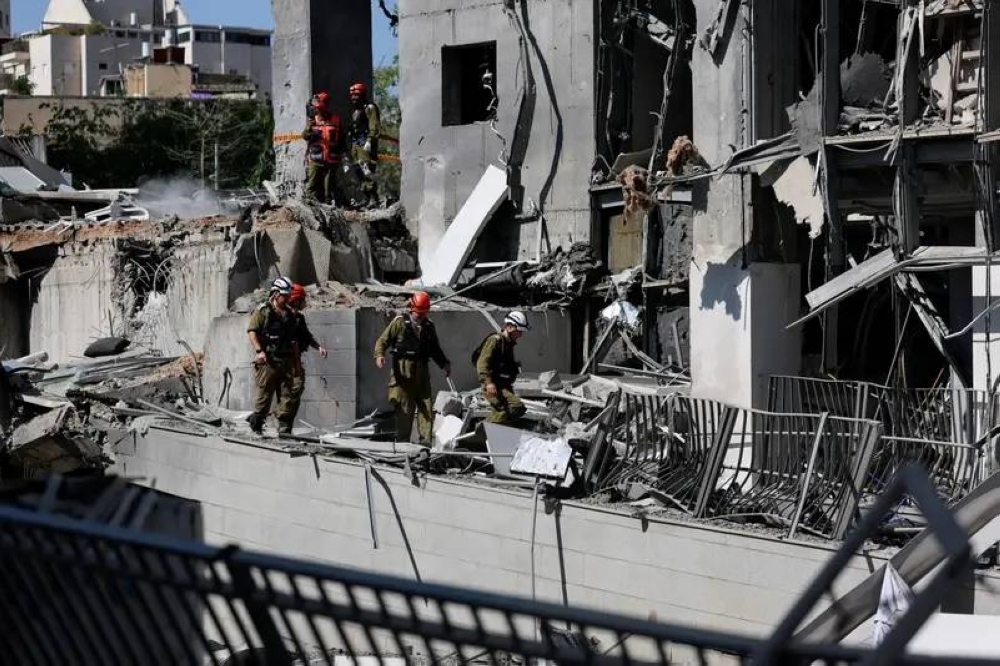
مبان متضررة في تل أبيب


تابع قناة عكاظ على الواتساب
«عكاظ»، وكالات (جدة) okaz_online@
The "Associated Press" reported that observers confirmed that the ceasefire agreement between Iran and Israel represented the best formula for all parties involved in the conflict. However, the losses from the 12 days of war were substantial for both sides, with varying degrees, as the war cost Israel hundreds of millions of dollars daily.
The cost of the interceptor missiles that counter Iranian rockets and drones is very high, reaching an estimated $200 million per day, according to some experts.
These experts mentioned that the "David's Sling" system, which intercepts short and long-range missiles, costs about $700,000 each time it is activated, according to Joshua Kalisky, a senior researcher at the Institute for National Security Studies in Tel Aviv.
He reported that the Arrow 3 system, used during the confrontations to intercept long-range ballistic missiles, costs about $4 million for each interception, as stated by the "Wall Street Journal." Meanwhile, the older version of Arrow, known as Arrow 2, costs about $3 million for each interception.
The cost of repairing damaged buildings in Israel, particularly in Tel Aviv, Haifa, and Be'er Sheva, is estimated to exceed $400 million, with around 30 Israeli fatalities recorded during the war.
In Iran, the material damages inflicted on several areas, including military and nuclear sites, appear to be extensive and could reach billions of dollars.
The extent of the damage to nuclear facilities in Isfahan, Natanz, and Fordow, after being bombed by the United States last Saturday, remains unknown.
There is no doubt that establishing nuclear sites has cost Iran billions of dollars, making the reconstruction process expensive as well..
Undoubtedly, the cost of Iranian human losses is higher, with around 650 people killed and thousands injured.
Among the dead are senior military leaders, including Chief of Staff Mohammad Hossein Baqeri, Revolutionary Guard Commander Hossein Salami, as well as the commander of the "Khatam al-Anbiya" headquarters, Ali Shadmani, just days after his appointment, among dozens of others. An Israeli source announced that Israel assassinated about 30 high-ranking Iranian military leaders and more than 17 scientists, according to Israeli media.
The cost of the interceptor missiles that counter Iranian rockets and drones is very high, reaching an estimated $200 million per day, according to some experts.
These experts mentioned that the "David's Sling" system, which intercepts short and long-range missiles, costs about $700,000 each time it is activated, according to Joshua Kalisky, a senior researcher at the Institute for National Security Studies in Tel Aviv.
He reported that the Arrow 3 system, used during the confrontations to intercept long-range ballistic missiles, costs about $4 million for each interception, as stated by the "Wall Street Journal." Meanwhile, the older version of Arrow, known as Arrow 2, costs about $3 million for each interception.
The cost of repairing damaged buildings in Israel, particularly in Tel Aviv, Haifa, and Be'er Sheva, is estimated to exceed $400 million, with around 30 Israeli fatalities recorded during the war.
In Iran, the material damages inflicted on several areas, including military and nuclear sites, appear to be extensive and could reach billions of dollars.
The extent of the damage to nuclear facilities in Isfahan, Natanz, and Fordow, after being bombed by the United States last Saturday, remains unknown.
There is no doubt that establishing nuclear sites has cost Iran billions of dollars, making the reconstruction process expensive as well..
Undoubtedly, the cost of Iranian human losses is higher, with around 650 people killed and thousands injured.
Among the dead are senior military leaders, including Chief of Staff Mohammad Hossein Baqeri, Revolutionary Guard Commander Hossein Salami, as well as the commander of the "Khatam al-Anbiya" headquarters, Ali Shadmani, just days after his appointment, among dozens of others. An Israeli source announced that Israel assassinated about 30 high-ranking Iranian military leaders and more than 17 scientists, according to Israeli media.


