رغم وصف الرئيس الأمريكي دونالد ترمب عملية استهداف 3 منشآت نووية إيرانية بـ«الناجحة»، مؤكداً أنها أسفرت عن «دمار هائل»، فإن مراقبين يرون أنها أسفرت عن تحديات جديدة تتعلق بمدى القدرة على تقييم ما تبقى من البرنامج النووي.
وفيما لا يزال مفتشو الوكالة الدولية للطاقة الذرية في إيران يعملون على تقدير حجم الأضرار، نقلت وكالة «بلومبيرغ» عن ثلاثة مصادر مطّلعة على البرنامج النووي، أن الضربات الأمريكية زادت من صعوبة تتبّع مسارات اليورانيوم وضمان عدم سعي طهران لتطوير سلاح نووي.
ولفتت المصادر إلى أن مثل هذه العمليات العسكرية قد تنجح في تدمير المنشآت النووية المعلنة، إلا أنها قد تمنح إيران «مبرراً لنقل أنشطتها النووية إلى مواقع تحت الأرض، بعيداً عن أعين الرقابة الدولية».
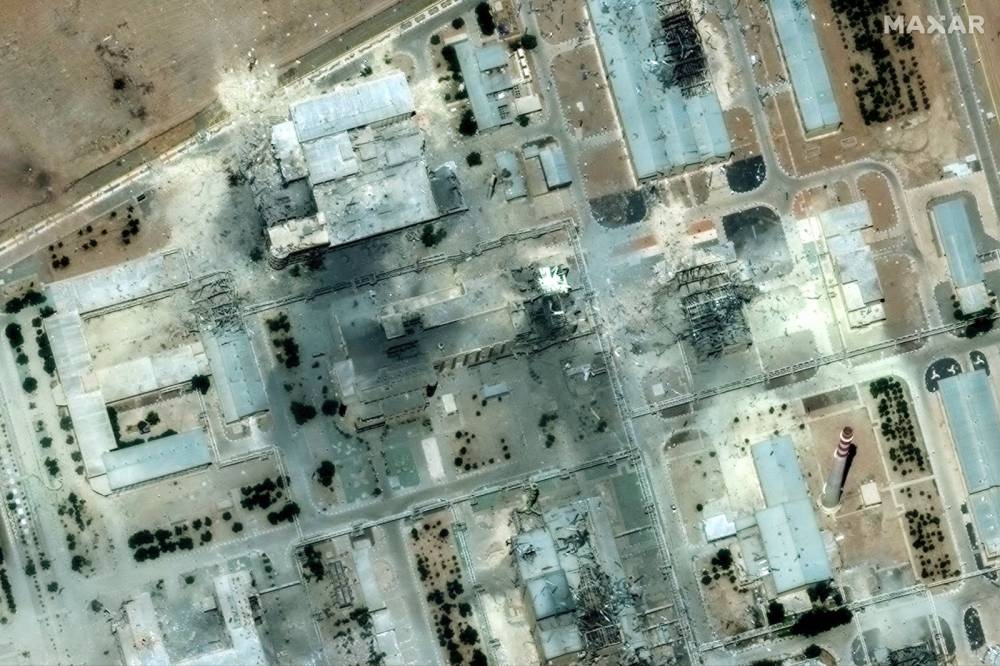
وأظهرت صور الأقمار الصناعية لموقع فوردو، ووزعتها شركة «ماكسار تكنولوجيز» حفراً جديدة، ومداخل أنفاق محتملة منهارة، وثقوباً على قمة سلسلة جبلية.
وحسب الصور، فإن أحد مباني الدعم الكبيرة في موقع فوردو لا يزال سليماً، والذي قد يستخدمه المشغلون للتحكم في التهوية لقاعات التخصيب تحت الأرض. ولم تكن هناك أي تسربات إشعاعية من الموقع، وفقاً للوكالة الدولية للطاقة الذرية.
وفي منشأة نطنز، أظهرت الصور حفرة جديدة بقطر حوالى 5.5 متر (18 قدماً)، وقالت «ماكسار» في بيان إن الحفرة الجديدة كانت مرئية في التراب مباشرة فوق جزء من منشأة التخصيب تحت الأرض.
وحسب الوكالة، فإن الصورة لا تقدم دليلاً قاطعاً على أن الهجوم اخترق الموقع تحت الأرض المدفون على عمق 40 متراً ومعزز بغطاء خرساني وفولاذي سميك يبلغ سمكه 8 أمتار.
وقالت الباحثة في المعهد الملكي للخدمات المتحد ومقره لندن داريا دولزيكوفا: «هناك احتمال ضئيل بأن دخول الولايات المتحدة الحرب سيقنع إيران بزيادة التعاون مع الوكالة الدولية للطاقة الذرية». ورأت أن «السيناريو الأكثر ترجيحاً.. هو بناء إيران لمنشآت أعمق وغير معلنة، لتجنب استهداف مماثل في المستقبل».
ويعتقد الرئيس السابق لسياسة التحقق النووي في الوكالة الدولية للطاقة الذرية طارق رؤوف، أن القصف الأخير يُعقّد الآن تتبع اليورانيوم الإيراني بشكل أكبر. وقال: «سيكون من الصعب جداً الآن على الوكالة الدولية للطاقة الذرية إنشاء ميزان مادي لما يقرب من 9 آلاف كيلوغرام من اليورانيوم المخصب، خصوصاً ما يقرب من 410 كيلوغرامات من اليورانيوم المخصب بنسبة 60%».
من جانبه، قال مستشار المرشد الإيراني الأعلى علي شمخاني، «حتى مع افتراض التدمير الكامل للمواقع النووية، فإن اللعبة لم تنتهِ بعد»، لافتاً إلى أن «المواد المخصبة لا تزال سليمة».
Despite U.S. President Donald Trump's description of the targeting of three Iranian nuclear facilities as "successful," asserting that it resulted in "massive destruction," observers believe it has led to new challenges regarding the ability to assess what remains of the nuclear program.
While inspectors from the International Atomic Energy Agency (IAEA) are still working in Iran to estimate the extent of the damage, Bloomberg reported from three sources familiar with the nuclear program that the U.S. strikes have made it more difficult to track uranium pathways and ensure that Tehran is not seeking to develop a nuclear weapon.
The sources pointed out that such military operations may succeed in destroying declared nuclear facilities, but they could provide Iran with "a justification to move its nuclear activities underground, away from the eyes of international oversight."
Satellite images of the Fordow site, distributed by Maxar Technologies, showed new excavations, potential collapsed tunnel entrances, and holes on top of a mountain range.
According to the images, one of the large support buildings at the Fordow site remains intact, which operators may use to control ventilation for the underground enrichment halls. There were no reports of radioactive leaks from the site, according to the IAEA.
At the Natanz facility, the images showed a new hole approximately 5.5 meters (18 feet) in diameter, and Maxar stated in a statement that the new hole was visible in the soil directly above a part of the underground enrichment facility.
According to the agency, the image does not provide conclusive evidence that the attack penetrated the underground site buried 40 meters deep and reinforced with thick concrete and steel cover measuring 8 meters in thickness.
Daria Dolzikova, a researcher at the Royal United Services Institute based in London, stated, "There is a slim chance that U.S. entry into the war will convince Iran to increase cooperation with the IAEA." She viewed that "the most likely scenario... is Iran building deeper and undeclared facilities to avoid similar targeting in the future."
Former head of nuclear verification policy at the IAEA, Tariq Raouf, believes that the recent bombing complicates tracking Iranian uranium even further. He stated, "It will be very difficult now for the IAEA to establish a material balance for nearly 9,000 kilograms of enriched uranium, especially about 410 kilograms of uranium enriched to 60%."
For his part, the advisor to Iran's Supreme Leader, Ali Shamkhani, said, "Even assuming the complete destruction of nuclear sites, the game is not over yet," noting that "the enriched materials are still intact."