صعود سعر الدولار الأمريكي وتجميد رؤوس الأموال مع وقف المشاريع وارتفاع أسعار المواد التموينية، مؤشرات تم رصدها في السوق العراقية، هي إحدى نتائج الحرب الإيرانية الإسرائيلية، هذا ما تحدث عنه أستاذ الاقتصاد الدولي الدكتور نوار السعدي.
وقال السعدي إن «مواصلة الحرب الإيرانية – الإسرائيلية ينذر بتداعيات اقتصادية متزايدة على العراق، حتى وإن لم يكن طرفاً مباشراً في الصراع، فالعراق، بحكم موقعه الجغرافي، واعتماده شبه الكامل على النفط، وانخراطه في شبكة إقليمية حساسة، لا يمكنه أن يعزل نفسه عن تأثيرات هذه الحرب مهما بدت محدودة أو بعيدة».
وأوضح استاذ الاقتصاد الدولي أنه حتى الآن، يمكن رصد ثلاثة أضرار اقتصادية مباشرة بدأت تتشكل: أولاً، ارتفاع سعر صرف الدولار في السوق العراقية، وهو انعكاس لحالة القلق من توسع الصراع في المنطقة، وما يعنيه ذلك من احتمالات اضطراب في صادرات النفط أو تأثر إيرادات الدولة، هذا الارتفاع يُضعف الدينار ويؤدي إلى زيادة أسعار المواد المستوردة، ما يخلق ضغطاً تضخمياً على المواطن العراقي.
وأضاف: «ثانياً، هناك حالة من الترقب والتجميد في السوق المحلية، سواءً على مستوى الاستثمارات أو التبادل التجاري، حيث تؤدي الحروب إلى تعطيل الخطط الاقتصادية وتجميد رؤوس الأموال، كما تُبعد المستثمرين الذين يراقبون الوضع الإقليمي ويضعون العراق ضمن دائرة الخطر الجيوسياسي» مستطرداً: «ثالثاً، بدأت ترتفع أسعار بعض المواد الغذائية، نتيجة القلق من تعطل سلاسل التوريد، وقيام بعض التجار بالمضاربة أو الاحتكار، وهذا الأمر له تأثير اجتماعي مباشر، ويزيد من هشاشة الأمن الغذائي في البلاد، خصوصاً في ظل الاعتماد الكبير على الاستيراد من الخارج».
وحذّر أستاذ الاقتصاد الدولي من أنه «إذا استمرت الحرب لفترة أطول وخرجت عن إطار الضربات المحدودة، فإن العراق سيكون أمام أضرار أكبر وأكثر تعقيداً والسبب في ذلك أن العراق يعتمد على منفذ وحيد تقريباً لتصدير نفطه، وهو الخليج، وتحديداً مضيق هرمز، الذي قد يصبح مسرحاً مباشراً للتهديد أو الإغلاق الجزئي، وإذا تم تعطيل حركة الملاحة هناك ولو لأيام فإن العراق سيفقد المليارات من الدولارات، ويواجه أزمة مالية خانقة لا تحتملها ميزانية تعتمد بنسبة 90% على الإيرادات النفطية».
وأكد أن «استمرار الحرب يعني تصاعد النفوذ والتوتر بين القوى الإقليمية داخل العراق نفسه، وهو ما قد ينعكس بوضوح على البيئة الأمنية والاستقرار الاقتصادي، خصوصاً إذا استُهدفت المصالح الأمريكية أو الأجنبية، أو شهدت المدن الجنوبية اضطرابات ترتبط بالصراع الإقليمي».
وختم السعدي قوله إن «الخطر الأكبر لا يتمثل في الحرب نفسها، بل في استمرارها دون أفق واضح، وتحولها إلى حرب استنزاف تمتد زمنياً وتفتح الباب لصراعات جانبية داخل دول مثل العراق، ما يؤدي إلى شلل اقتصادي تدريجي يصعب التعافي منه بسهولة، والحل يكمن في تحرّك استباقي من الحكومة العراقية لتحصين السوق، حماية الدينار، وتفعيل شبكة علاقاتها الدبلوماسية بهدف النأي بالعراق عن تداعيات الصراع، سياسياً واقتصادياً».
رصد 3 أضرار اقتصادية في العراق جراء الحرب الإيرانية الإسرائيلية
18 يونيو 2025 - 21:06
|
آخر تحديث 18 يونيو 2025 - 21:06
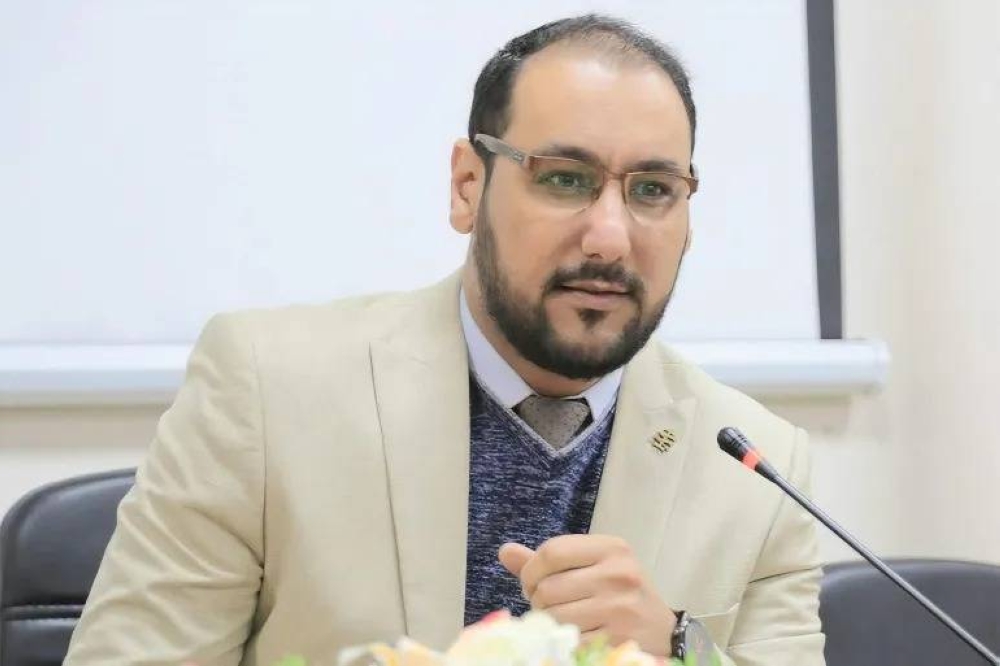
نوار السعدي


تابع قناة عكاظ على الواتساب
رياض منصور (بغداد) riyadmansour@
The rise in the price of the US dollar and the freezing of capital along with the halt of projects and the increase in the prices of basic commodities are indicators observed in the Iraqi market, which are among the results of the Iranian-Israeli war, as discussed by international economics professor Dr. Nawar Al-Saadi.
Al-Saadi stated that "the continuation of the Iranian-Israeli war warns of increasing economic repercussions on Iraq, even if it is not a direct party in the conflict. Iraq, due to its geographical location, its almost complete dependence on oil, and its involvement in a sensitive regional network, cannot isolate itself from the effects of this war, no matter how limited or distant they may seem."
The international economics professor explained that so far, three direct economic damages have begun to take shape: First, the rise in the exchange rate of the dollar in the Iraqi market, which reflects the state of anxiety over the expansion of the conflict in the region, and what that means in terms of potential disruptions in oil exports or impacts on state revenues. This rise weakens the dinar and leads to an increase in the prices of imported goods, creating inflationary pressure on the Iraqi citizen.
He added: "Secondly, there is a state of anticipation and freezing in the local market, whether at the level of investments or trade exchange, as wars lead to the disruption of economic plans and the freezing of capital, and they deter investors who monitor the regional situation and place Iraq within the geopolitical danger zone." He continued: "Thirdly, the prices of some food items have begun to rise due to concerns over the disruption of supply chains, and some traders engaging in speculation or monopolization. This has a direct social impact and increases the fragility of food security in the country, especially given the heavy reliance on imports from abroad."
Al-Saadi warned that "if the war continues for a longer period and goes beyond the framework of limited strikes, Iraq will face greater and more complex damages. The reason for this is that Iraq relies almost entirely on a single outlet for exporting its oil, which is the Gulf, specifically the Strait of Hormuz, which may become a direct theater of threat or partial closure. If maritime traffic there is disrupted, even for days, Iraq will lose billions of dollars and face a suffocating financial crisis that its budget, which relies 90% on oil revenues, cannot bear."
He emphasized that "the continuation of the war means an escalation of influence and tension among regional powers within Iraq itself, which may clearly reflect on the security environment and economic stability, especially if American or foreign interests are targeted, or if the southern cities experience disturbances related to the regional conflict."
Al-Saadi concluded by saying that "the greatest danger does not lie in the war itself, but in its continuation without a clear horizon, transforming it into a war of attrition that extends over time and opens the door to side conflicts within countries like Iraq, leading to a gradual economic paralysis that is difficult to recover from easily. The solution lies in proactive action by the Iraqi government to fortify the market, protect the dinar, and activate its diplomatic relations network to distance Iraq from the repercussions of the conflict, both politically and economically."
Al-Saadi stated that "the continuation of the Iranian-Israeli war warns of increasing economic repercussions on Iraq, even if it is not a direct party in the conflict. Iraq, due to its geographical location, its almost complete dependence on oil, and its involvement in a sensitive regional network, cannot isolate itself from the effects of this war, no matter how limited or distant they may seem."
The international economics professor explained that so far, three direct economic damages have begun to take shape: First, the rise in the exchange rate of the dollar in the Iraqi market, which reflects the state of anxiety over the expansion of the conflict in the region, and what that means in terms of potential disruptions in oil exports or impacts on state revenues. This rise weakens the dinar and leads to an increase in the prices of imported goods, creating inflationary pressure on the Iraqi citizen.
He added: "Secondly, there is a state of anticipation and freezing in the local market, whether at the level of investments or trade exchange, as wars lead to the disruption of economic plans and the freezing of capital, and they deter investors who monitor the regional situation and place Iraq within the geopolitical danger zone." He continued: "Thirdly, the prices of some food items have begun to rise due to concerns over the disruption of supply chains, and some traders engaging in speculation or monopolization. This has a direct social impact and increases the fragility of food security in the country, especially given the heavy reliance on imports from abroad."
Al-Saadi warned that "if the war continues for a longer period and goes beyond the framework of limited strikes, Iraq will face greater and more complex damages. The reason for this is that Iraq relies almost entirely on a single outlet for exporting its oil, which is the Gulf, specifically the Strait of Hormuz, which may become a direct theater of threat or partial closure. If maritime traffic there is disrupted, even for days, Iraq will lose billions of dollars and face a suffocating financial crisis that its budget, which relies 90% on oil revenues, cannot bear."
He emphasized that "the continuation of the war means an escalation of influence and tension among regional powers within Iraq itself, which may clearly reflect on the security environment and economic stability, especially if American or foreign interests are targeted, or if the southern cities experience disturbances related to the regional conflict."
Al-Saadi concluded by saying that "the greatest danger does not lie in the war itself, but in its continuation without a clear horizon, transforming it into a war of attrition that extends over time and opens the door to side conflicts within countries like Iraq, leading to a gradual economic paralysis that is difficult to recover from easily. The solution lies in proactive action by the Iraqi government to fortify the market, protect the dinar, and activate its diplomatic relations network to distance Iraq from the repercussions of the conflict, both politically and economically."