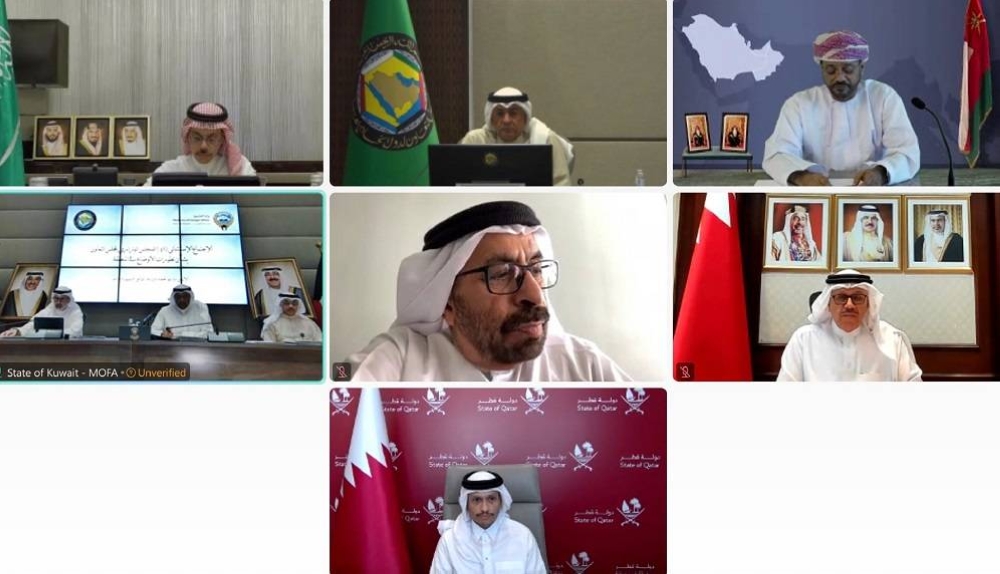
أكد الأمين العام لمجلس التعاون لدول الخليج العربية جاسم محمد البديوي، أن المجلس الوزاري لمجلس التعاون، ناقش تطورات الأوضاع في المنطقة، خلال اجتماعه الاستثنائي الـ 48 الذي عقد اليوم (الإثنين)، عبر الاتصال المرئي، برئاسة وزير خارجية دولة الكويت -رئيس الدورة الحالية للمجلس الوزاري عبدالله اليحيا، وبمشاركة وزراء خارجية دول مجلس التعاون.
كما ذكر الأمين العام خلال كلمته، أن المنطقة شهدت في الأيام الأخيرة تصعيدًا بالغ الخطورة وغير مسبوق، بسبب هجمات قوات الاحتلال الإسرائيلي على أراضي الجمهورية الإسلامية الإيرانية والرد عليها من قبل إيران، ما زاد من حدة التوترات في الإقليم والمنطقة، وفتح الباب أمام سيناريوهات مبهمة ومقلقة، قوضت من فرص المسارات السياسية، وأدت إلى توقف وانهيار جهود الحوار والدبلوماسية، الأمر الذي حدا كافة دول المجلس للتنديد بالعمليات العسكرية الإسرائيلية في حينها.
وأشار إلى عدد من التداعيات والتحديات التي قد تواجه دول مجلس التعاون نتيجة هذه التطورات المتسارعة، ومنها الآثار المترتبة على أي تصعيد قد يطال المنشآت النووية لما لها من آثار محتملة على البيئة الإقليمية والبنية التحتية الحيوية، بالإضافة إلى امتداد تلك الآثار على الجوانب الاقتصادية، وإمكانية تعطيل سلاسل الإمداد وحركة التجارة والطاقة، وتهديد سلامة الممرات المائية الحيوية.
كما ذكر الأمين العام، أنه في هذه الظروف الدقيقة، ومع ما قد ينجم عنها من تداعيات فنية وبيئية خطيرة نتيجة أي استهداف للمنشآت النووية، نُؤكد أن الأمانة العامة لمجلس التعاون، وفي استجابة فورية تُجسّد وعيًا دقيقًا بخطورة الوضع الراهن، وتنفيذًا مباشرًا لتوجيهات وقرارات المجلس الأعلى في تعزيز منظومات الاستجابة للطوارئ، تم تفعيل مركز مجلس التعاون لإدارة حالات الطوارئ، لاتخاذ جميع الإجراءات الوقائية اللازمة على المستويات البيئية والإشعاعية كافة، ومتابعة المؤشرات الفنية بدقة، وذلك بالتنسيق الكامل مع الجهات المختصة في الدول الأعضاء، وعبر منظومات الإنذار المبكر، مع إصدار التقارير الفنية فور توفرها، ونشر البيانات المتعلقة بها، وقد تم إصدار البيان الأول في هذا الجانب لوسائل الإعلام.
وأشار في هذا السياق، إلى أن المؤشرات الفنية حتى هذه اللحظة لا تزال ضمن النطاق الآمن، ولم يُرصد ما يدعو للقلق، مع استمرار حالة الاستنفار الكامل، ضمانًا لأعلى درجات الجاهزية، وترسيخًا لليقظة المستمرة التي يتطلبها الموقف.
واختتم كلمته، بالتأكيد على أن مجلس التعاون نشأ على قيم التضامن والعمل الجماعي، وظل يرى في الاستقرار دعامةً أساسية لأمن شعوبه ومصالحها، ويواصل التزامه بتهدئة التوترات، وتمكين الحوار، ومنع الانزلاق إلى أي صراع يهدد استقرار الخليج والعالم، ونُجدّد من هذا المنبر دعوتنا لجميع الدول والأطراف إلى ضبط النفس، والامتناع عن أي أعمال عسكرية، تفاديًا لانزلاقٍ خطير نحو صراع أوسع لا يُمكن التنبؤ بنتائجه أو السيطرة عليه.
The Secretary-General of the Gulf Cooperation Council, Jassim Mohammed Al-Budaiwi, confirmed that the Ministerial Council of the Gulf Cooperation Council discussed the developments in the region during its 48th extraordinary meeting held today (Monday) via video conference, chaired by the Minister of Foreign Affairs of Kuwait - the current president of the Ministerial Council, Abdullah Al-Yahya, with the participation of the foreign ministers of the GCC member states.
In his speech, the Secretary-General mentioned that the region has witnessed an unprecedented and extremely dangerous escalation in recent days due to the attacks by Israeli occupation forces on the territory of the Islamic Republic of Iran and the subsequent response from Iran, which has heightened tensions in the region and opened the door to ambiguous and concerning scenarios, undermining the chances for political pathways and leading to the halt and collapse of dialogue and diplomatic efforts, prompting all member states to condemn the Israeli military operations at that time.
He pointed to a number of repercussions and challenges that the GCC member states may face as a result of these rapid developments, including the potential consequences of any escalation that may affect nuclear facilities due to their possible impacts on the regional environment and vital infrastructure, in addition to the extension of those impacts on economic aspects, the potential disruption of supply chains, trade, and energy movement, and the threat to the safety of vital waterways.
The Secretary-General also mentioned that in these delicate circumstances, and with the potential serious technical and environmental repercussions resulting from any targeting of nuclear facilities, we affirm that the General Secretariat of the Gulf Cooperation Council, in a prompt response that embodies a precise awareness of the gravity of the current situation, and in direct implementation of the directives and decisions of the Supreme Council to enhance emergency response systems, has activated the GCC Emergency Management Center to take all necessary precautionary measures at all environmental and radiological levels, and to closely monitor technical indicators, in full coordination with the relevant authorities in member states, and through early warning systems, with the issuance of technical reports as soon as they become available, and the dissemination of related data. The first statement in this regard has been issued to the media.
In this context, he pointed out that the technical indicators so far remain within the safe range, and nothing has been detected that would cause concern, while maintaining a state of full alert to ensure the highest levels of readiness and to reinforce the continuous vigilance required by the situation.
He concluded his speech by emphasizing that the Gulf Cooperation Council was founded on the values of solidarity and collective action, and continues to see stability as a fundamental pillar for the security and interests of its peoples. It remains committed to de-escalating tensions, enabling dialogue, and preventing any slide into conflict that threatens the stability of the Gulf and the world. From this platform, we renew our call to all countries and parties to exercise restraint and refrain from any military actions to avoid a dangerous slide into a broader conflict whose outcomes cannot be predicted or controlled.