لوحت السلطات الإيرانية بالانسحاب من معاهدة حظر انتشار الأسلحة النووية مع تصاعد حدة التصعيد مع إسرائيل. وقال المتحدث باسم وزارة الخارجية الإيرانية إسماعيل بقائي اليوم (الإثنين): «البرلمان يعد مشروع قانون للانسحاب من معاهدة عدم انتشار الأسلحة النووية»، مؤكداً أن طهران لا تزال تعارض تطوير أسلحة الدمار الشامل.
ورداً على سؤال بشأن احتمالات انسحاب طهران من المعاهدة، قال بقائي: «في ضوء أحدث التطورات، سنتخذ القرار المناسب. يتعين على الحكومة تنفيذ مشاريع القوانين البرلمانية، لكن مثل هذا الاقتراح قيد الإعداد فقط، وسننسق في المراحل اللاحقة مع البرلمان».
وتضمن معاهدة حظر انتشار الأسلحة النووية، التي صدقت عليها إيران عام 1970، للدول الحق في السعي للحصول على الطاقة النووية المدنية مقابل مطالبتها بالتخلي عن الأسلحة الذرية والتعاون مع الوكالة الدولية للطاقة الذرية التابعة للأمم المتحدة.
وأضاف بقائي أن تطورات مثل الهجوم الإسرائيلي «تؤثر بطبيعة الحال على القرارات الاستراتيجية للدولة»، لافتاً إلى أن الهجوم الإسرائيلي جاء في أعقاب قرار أصدرته الوكالة الدولية للطاقة الذرية. واتهم أولئك الذين صوتوا لصالح القرار بأنهم مهدوا الطريق للهجوم.
وحسب وسائل إعلام رسمية، فإن البرلمان الإيراني لم يتخذ بعد أي قرار بشأن الانسحاب من معاهدة حظر انتشار الأسلحة النووية، في حين قال أحد البرلمانيين إن الاقتراح في المراحل الأولى من العملية القانونية.
من جانبه، اعتبر الرئيس مسعود بزشكيان أن الأسلحة النووية تتعارض مع فتوى أصدرها المرشد الإيراني علي خامنئي.
يذكر أن إسرائيل لم تنضم إلى معاهدة حظر انتشار الأسلحة النووية، وتؤكد تقارير أن إسرائيل تمتلك أسلحة نووية.
إيران تهدد بالانسحاب من معاهدة حظر انتشار الأسلحة النووية
16 يونيو 2025 - 15:56
|
آخر تحديث 16 يونيو 2025 - 15:56
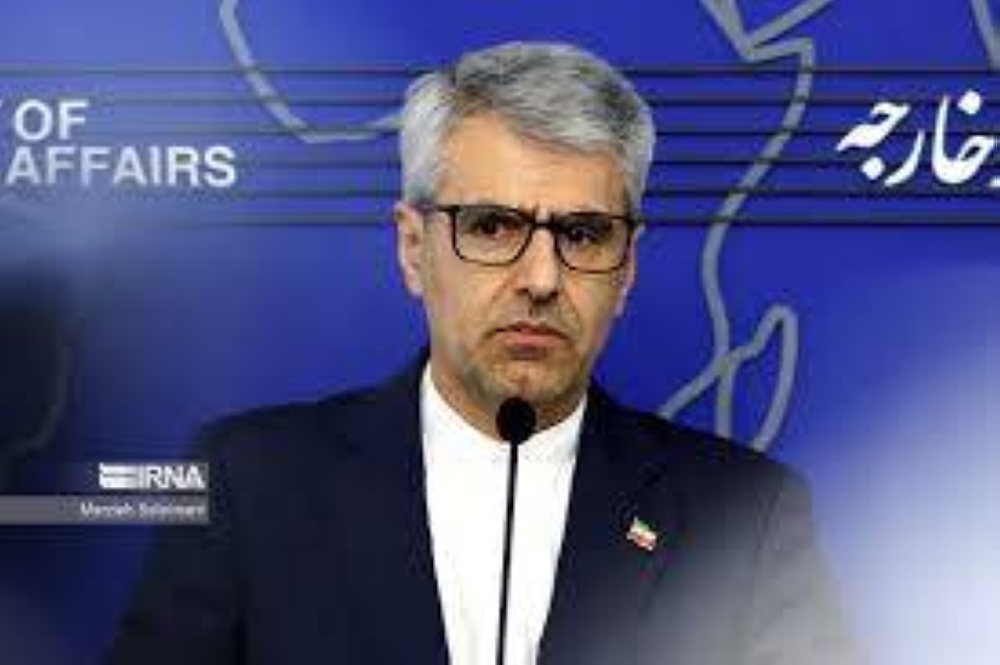
إسماعيل بقائي


تابع قناة عكاظ على الواتساب
«عكاظ» (طهران، جدة) OKAZ_ONLINE@
The Iranian authorities have hinted at withdrawing from the Treaty on the Non-Proliferation of Nuclear Weapons as tensions escalate with Israel. Iranian Foreign Ministry spokesman Ismail Baqaei said today (Monday): “The parliament is preparing a bill for withdrawal from the Non-Proliferation Treaty,” emphasizing that Tehran still opposes the development of weapons of mass destruction.
In response to a question about the likelihood of Tehran withdrawing from the treaty, Baqaei stated: “In light of the latest developments, we will make the appropriate decision. The government must implement parliamentary bills, but such a proposal is only in preparation, and we will coordinate with the parliament in the later stages.”
The Treaty on the Non-Proliferation of Nuclear Weapons, which Iran ratified in 1970, grants countries the right to seek civilian nuclear energy in exchange for their commitment to renounce nuclear weapons and cooperate with the United Nations' International Atomic Energy Agency.
Baqaei added that developments such as the Israeli attack “naturally affect the strategic decisions of the state,” noting that the Israeli attack came following a decision issued by the International Atomic Energy Agency. He accused those who voted in favor of the decision of paving the way for the attack.
According to official media, the Iranian parliament has not yet made any decision regarding withdrawal from the Treaty on the Non-Proliferation of Nuclear Weapons, while one parliament member stated that the proposal is in the early stages of the legal process.
For his part, President Masoud Bezhakian considered that nuclear weapons contradict a fatwa issued by Iranian Supreme Leader Ali Khamenei.
It is worth noting that Israel has not joined the Treaty on the Non-Proliferation of Nuclear Weapons, and reports confirm that Israel possesses nuclear weapons.
In response to a question about the likelihood of Tehran withdrawing from the treaty, Baqaei stated: “In light of the latest developments, we will make the appropriate decision. The government must implement parliamentary bills, but such a proposal is only in preparation, and we will coordinate with the parliament in the later stages.”
The Treaty on the Non-Proliferation of Nuclear Weapons, which Iran ratified in 1970, grants countries the right to seek civilian nuclear energy in exchange for their commitment to renounce nuclear weapons and cooperate with the United Nations' International Atomic Energy Agency.
Baqaei added that developments such as the Israeli attack “naturally affect the strategic decisions of the state,” noting that the Israeli attack came following a decision issued by the International Atomic Energy Agency. He accused those who voted in favor of the decision of paving the way for the attack.
According to official media, the Iranian parliament has not yet made any decision regarding withdrawal from the Treaty on the Non-Proliferation of Nuclear Weapons, while one parliament member stated that the proposal is in the early stages of the legal process.
For his part, President Masoud Bezhakian considered that nuclear weapons contradict a fatwa issued by Iranian Supreme Leader Ali Khamenei.
It is worth noting that Israel has not joined the Treaty on the Non-Proliferation of Nuclear Weapons, and reports confirm that Israel possesses nuclear weapons.