


لم تستبعد صحيفة «نيويورك تايمز» الأمريكية إحياء المساعي الرامية إلى التوصل إلى اتفاق بشأن البرنامج النووي الإيراني، حتى بعد أن أطاحت الحرب بالجولة السادسة من المفاوضات بين واشنطن وطهران. وأفادت بأنه «في خضم ما يمكن أن يكون حرباً، لا ينبغي استبعاد إمكانية استئناف المحادثات للتعامل مع برنامج إيران النووي الآخذ في التوسع».
وحسب الصحيفة، فإن الإيرانيين يتمسكون حتى الآن بالتوصل إلى اتفاق، وأيضاً الرئيس الأمريكي دونالد ترمب، الذي يعتمد شكل المحادثات المستقبلية حتماً على موعد وكيفية توقف القتال الحالي بين تل أبيب وطهران.
واعتبر وزير الخارجية الإيراني عباس عراقجي أن هجمات إسرائيل محاولة لتقويض الدبلوماسية وعرقلة المفاوضات، وهو رأي يشاطره العديد من المحللين الغربيين، وفق «نيويورك تايمز»، التي قالت: «يبدو أن نتنياهو اعتبر أن الاتفاق الأمريكي الإيراني المحتمل كان سيمنعه من تحقيق هدفه المتمثل في تدمير البرنامج النووي الإيراني، وربما، كما يأمل، إسقاط النظام».
إلا أنه وفق المحللين، من المستبعد أن تحقق إسرائيل هدف تدمير البرنامج النووي الإيراني دون مشاركة أمريكية نشطة، وهو ما يرفضه ترمب حتى الآن.
ويتمسك الرئيس الأمريكي بإنجاح المفاوضات، ويبدو أنه يعتقد أن الهجوم الإسرائيلي سيعيد إيران إلى طاولة المفاوضات في موقف أضعف وأكثر تصالحية، وعلى استعداد لقبول مطلبه الأخير بأن توقف كل عمليات تخصيب اليورانيوم. لكن طهران تصر حتى الآن على أن لها الحق في التخصيب للاستخدامات المدنية بموجب معاهدة حظر الانتشار النووي.
ويعتقد مراقبون أن التوصل إلى اتفاق يتضمن التخلي عن التخصيب سيُنظر إليه على أنه استسلام، وقد يجعل الحكومة الإيرانية أكثر عرضة للخطر في الداخل. ويرى هؤلاء أن طهران لن تتخلى عن التخصيب بهذه السهولة.
المسؤول الأمريكي السابق روبرت مالي قال إن المفاوضات مع إيران معلقة في الوقت الراهن، لكن شكلها وتوقيتها المستقبلي سيعتمدان على طول مدة الهجوم الإسرائيلي وما سيحققه.
وأكد أن واشنطن تدعم العمليات الإسرائيلية في الوقت الراهن، ولكن «في مرحلة ما، ومن الأفضل عاجلاً وليس آجلاً، ستحاول ممارسة بعض ضبط النفس للحد من الصراع، إذ يبدو أن ترمب حريص على التوصل إلى اتفاق وتجنب الانجرار إلى الحرب»، وفق ما نقلته «نيويورك تايمز».
وتعتقد المسؤولة السابقة في وزارة الخارجية الأمريكية كارين فون هيبل أن العودة لطاولة المفاوضات ستحدث في نهاية المطاف، لكن بأي ثمن ستدفعه إسرائيل والمنطقة؟ وترى أن التحدي هو أن الإيرانيين يريدون طريقة لحفظ ماء الوجه للعودة إلى الطاولة، بينما يفضل ترمب دفعهم إلى الاستسلام.
هل تفتح الحرب نافذة للمفاوضات النووية بين واشنطن وطهران ؟
16 يونيو 2025 - 14:48
|
آخر تحديث 16 يونيو 2025 - 14:48
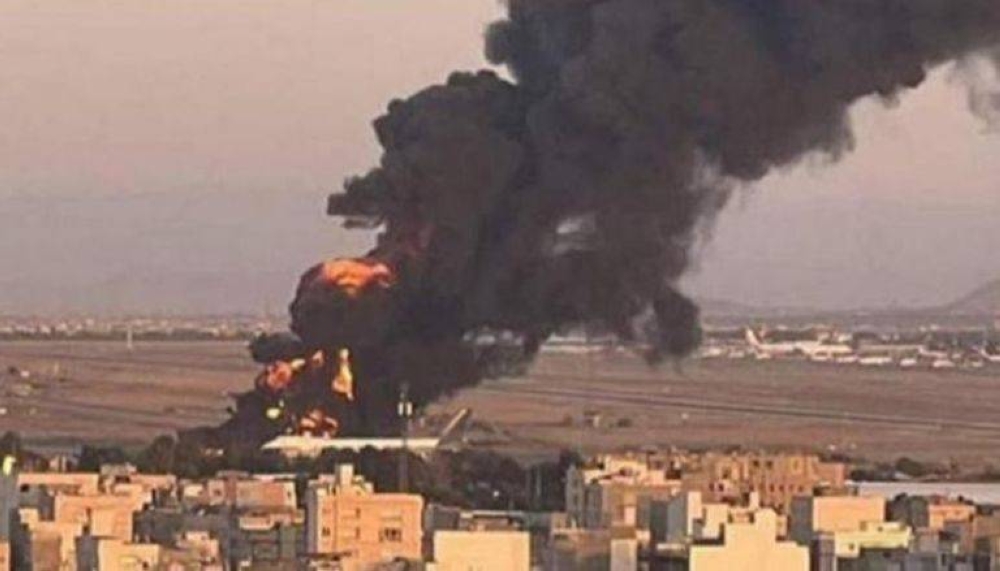
دخان يتصاعد من موقع في إيران .


تابع قناة عكاظ على الواتساب
«عكاظ» (جدة) OKAZ_ONLINE@
The American newspaper "The New York Times" did not rule out the revival of efforts to reach an agreement on the Iranian nuclear program, even after the war disrupted the sixth round of negotiations between Washington and Tehran. It reported that "in the midst of what could be a war, the possibility of resuming talks to address Iran's expanding nuclear program should not be excluded."
According to the newspaper, the Iranians are still holding onto the idea of reaching an agreement, as is U.S. President Donald Trump, whose future talks will inevitably depend on when and how the current fighting between Tel Aviv and Tehran comes to a halt.
Iranian Foreign Minister Abbas Araghchi considered the Israeli attacks an attempt to undermine diplomacy and obstruct negotiations, a view shared by many Western analysts, according to "The New York Times," which stated: "It seems that Netanyahu believed that a potential U.S.-Iranian agreement would prevent him from achieving his goal of destroying the Iranian nuclear program, and perhaps, as he hopes, overthrowing the regime."
However, analysts believe that it is unlikely Israel will achieve its goal of destroying the Iranian nuclear program without active U.S. involvement, which Trump has so far rejected.
The U.S. president is committed to making the negotiations successful, and it seems he believes that the Israeli attack will bring Iran back to the negotiating table in a weaker and more conciliatory position, ready to accept his latest demand to halt all uranium enrichment activities. However, Tehran insists so far that it has the right to enrich for civilian uses under the Treaty on the Non-Proliferation of Nuclear Weapons.
Observers believe that reaching an agreement that includes abandoning enrichment will be seen as a surrender, and could make the Iranian government more vulnerable domestically. They argue that Tehran will not give up enrichment so easily.
Former U.S. official Robert Malley stated that negotiations with Iran are currently on hold, but their shape and future timing will depend on the duration of the Israeli attack and what it achieves.
He confirmed that Washington currently supports Israeli operations, but "at some point, and preferably sooner rather than later, it will try to exercise some restraint to limit the conflict, as it seems Trump is eager to reach an agreement and avoid being drawn into war," according to "The New York Times."
Former U.S. State Department official Karen Von Hippel believes that a return to the negotiating table will eventually happen, but at what cost will Israel and the region pay? She sees the challenge as the Iranians wanting a way to save face to return to the table, while Trump prefers to push them toward surrender.
According to the newspaper, the Iranians are still holding onto the idea of reaching an agreement, as is U.S. President Donald Trump, whose future talks will inevitably depend on when and how the current fighting between Tel Aviv and Tehran comes to a halt.
Iranian Foreign Minister Abbas Araghchi considered the Israeli attacks an attempt to undermine diplomacy and obstruct negotiations, a view shared by many Western analysts, according to "The New York Times," which stated: "It seems that Netanyahu believed that a potential U.S.-Iranian agreement would prevent him from achieving his goal of destroying the Iranian nuclear program, and perhaps, as he hopes, overthrowing the regime."
However, analysts believe that it is unlikely Israel will achieve its goal of destroying the Iranian nuclear program without active U.S. involvement, which Trump has so far rejected.
The U.S. president is committed to making the negotiations successful, and it seems he believes that the Israeli attack will bring Iran back to the negotiating table in a weaker and more conciliatory position, ready to accept his latest demand to halt all uranium enrichment activities. However, Tehran insists so far that it has the right to enrich for civilian uses under the Treaty on the Non-Proliferation of Nuclear Weapons.
Observers believe that reaching an agreement that includes abandoning enrichment will be seen as a surrender, and could make the Iranian government more vulnerable domestically. They argue that Tehran will not give up enrichment so easily.
Former U.S. official Robert Malley stated that negotiations with Iran are currently on hold, but their shape and future timing will depend on the duration of the Israeli attack and what it achieves.
He confirmed that Washington currently supports Israeli operations, but "at some point, and preferably sooner rather than later, it will try to exercise some restraint to limit the conflict, as it seems Trump is eager to reach an agreement and avoid being drawn into war," according to "The New York Times."
Former U.S. State Department official Karen Von Hippel believes that a return to the negotiating table will eventually happen, but at what cost will Israel and the region pay? She sees the challenge as the Iranians wanting a way to save face to return to the table, while Trump prefers to push them toward surrender.





