


توقع دبلوماسي غربي رفيع أن تستمر الحرب بين إيران وإسرائيل عدة أسابيع. وقال الدبلوماسي -الذي رفض الإفصاح عن اسمه- اليوم (الإثنين): «نتوقع استمرار الحرب أسابيع قليلة، ولا نعلم إلى الآن تداعياتها أو نتيجتها بالنسبة إلى البرنامج النووي الإيراني». وأضاف أن مخزون الصواريخ الإيرانية يظل محدوداً مهما كانت قدرات تصنيعها، ما سيؤثر في أمد المواجهة. واعتبر المصدر أنه في حال توقفت هجمات إسرائيل دون تدمير البرنامج النووي الإيراني بالكامل فستخسر سياسياً. ورأى أنه «من المبكر جداً التكهن بنتائج الصراع بين أجهزة صنع القرار في إيران».
وأعرب عن اعتقاده أن الجبهة الإسرائيلية لن تتفكك مهما ارتفعت الخسائر البشرية؛ لأن تل أبيب تعتبر طهران خطراً وجودياً، بدليل تحملها كل الخسائر الناجمة عن حرب غزة.
وأكد مسؤولون إسرائيليون خلال الأيام الماضية أن بلادهم حققت كافة أهداف المرحلة الأولى من الهجوم على إيران، إلا أنهم أوضحوا أن مزيداً من الأهداف لا تزال تنتظر إتمامها.
من جهته، أفاد وزير الخارجية الإيراني عباس عراقجي بأن بلاده ستوقف الضربات في حال أوقفت إسرائيل هجماتها، فيما عبر الرئيس الأمريكي دونالد ترمب عن تفاؤله بإمكانية التوصل قريباً لاتفاق بين الجانبين.
بدوره، جدد وزير الدفاع الإسرائيلي يسرائيل كاتس تهديداته اليوم (الاثنين) لسكان طهران، بعدما لوَّح أمس بسيناريو تدمير مشابه لما حصل في الضاحية الجنوبية لبيروت العام الماضي.
فيما أكد مصدر أمني إسرائيلي أن الجيش الإسرائيلي سيعلن أوامر إخلاء لأحياء في طهران خلال الساعات القادمة، ضمن خطة الرد الإسرائيلية على هجوم إيران على المراكز السكانية. وأعلن أن سلاح الجو سيقوم بعد ذلك بهدم المباني، على غرار ما فعلته إسرائيل في بيروت.
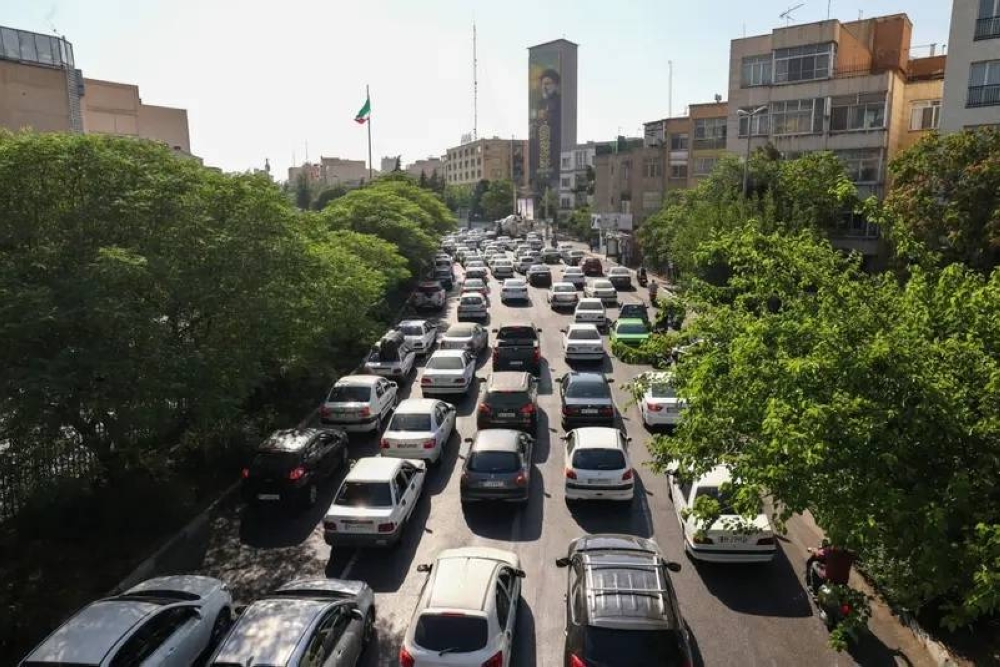
وشهدت العاصمة الإيرانية ازدحاماً مرورياً كبيراً لا يزال قائماً عند مخارج طهران الشمالية نحو بحر قزوين، بحسب ما نقلت وكالة الأنباء الإيرانية.
ووثقت عدة مشاهد اصطفاف السيارات في شوارع طهران، هرباً من القصف الإسرائيلي، بعدما توعدت إسرائيل بشن المزيد من الضربات، إثر الهجمات الإيرانية التي استهدفت فجراً تل أبيب وحيفا موقعة 8 قتلى وأكثر من 85 إصابة.
وسُجل ازدحام عند معبر بازرغان الإيراني على الحدود مع تركيا بعد التهديدات الإسرائيلية.
وكانت الحكومة الإيرانية أعلنت أنّه سيتم تجهيز المساجد ومحطات المترو والمدارس لاستخدامها كملاجئ من أجل حماية السكان. فيما رأى مراقبون أن العاصمة الإيرانية غير مجهزة بما يكفي من الملاجئ.
نزوح من طهران.. وإسرائيل تلوح بسيناريو بيروت
متى تتوقف الحرب بين إسرائيل وإيران؟
16 يونيو 2025 - 12:15
|
آخر تحديث 16 يونيو 2025 - 12:15


تابع قناة عكاظ على الواتساب
«عكاظ» (جدة) okaz_online@
A senior Western diplomat predicted that the war between Iran and Israel would last several weeks. The diplomat, who refused to disclose his name, said today (Monday): "We expect the war to continue for a few weeks, and we do not yet know its repercussions or results regarding the Iranian nuclear program." He added that the stockpile of Iranian missiles remains limited, regardless of their manufacturing capabilities, which will affect the duration of the confrontation. The source considered that if Israeli attacks stopped without completely destroying the Iranian nuclear program, it would lose politically. He noted that "it is still too early to speculate on the outcomes of the conflict among decision-making bodies in Iran."
He expressed his belief that the Israeli front will not disintegrate, no matter how high the human losses are; because Tel Aviv considers Tehran an existential threat, as evidenced by its willingness to bear all the losses resulting from the Gaza war.
Israeli officials confirmed in recent days that their country has achieved all the objectives of the first phase of the attack on Iran, but they clarified that more objectives are still pending completion.
For his part, Iranian Foreign Minister Abbas Araghchi stated that his country would stop the strikes if Israel halted its attacks, while U.S. President Donald Trump expressed optimism about the possibility of reaching an agreement between the two sides soon.
In turn, Israeli Defense Minister Israel Katz renewed his threats today (Monday) to the residents of Tehran, after he hinted yesterday at a destruction scenario similar to what occurred in the southern suburbs of Beirut last year.
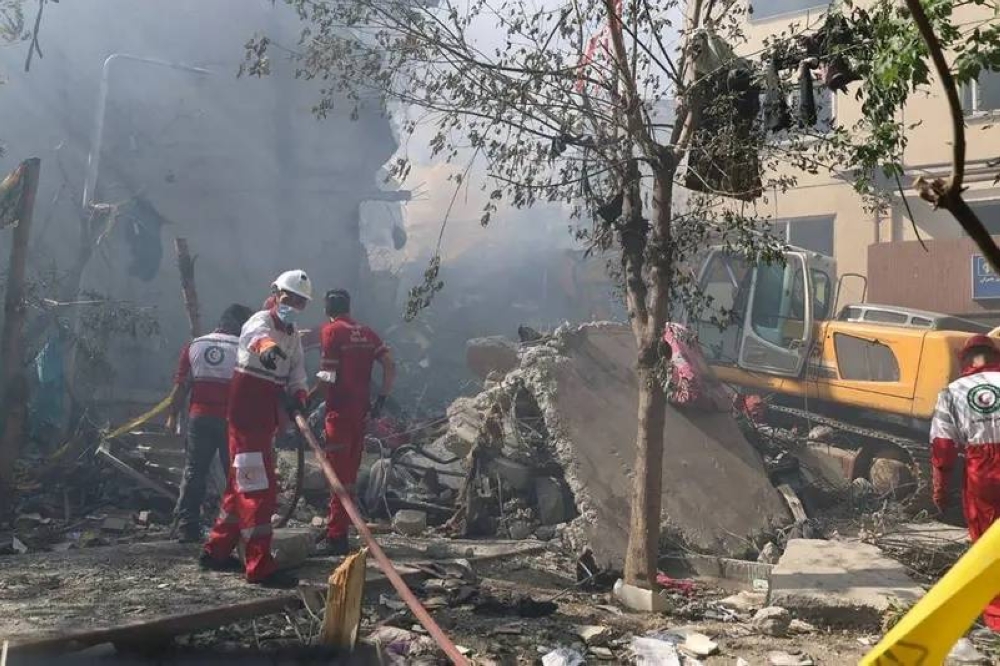
An Israeli security source confirmed that the Israeli army will announce evacuation orders for neighborhoods in Tehran in the coming hours, as part of the Israeli response plan to Iran's attack on populated areas. It was announced that the air force would then demolish buildings, similar to what Israel did in Beirut.
The Iranian capital witnessed significant traffic congestion that is still ongoing at the northern exits of Tehran towards the Caspian Sea, according to the Iranian news agency.
Several scenes documented cars lining up in the streets of Tehran, fleeing from the Israeli bombardment, after Israel vowed to launch more strikes following Iranian attacks that targeted Tel Aviv and Haifa at dawn, resulting in 8 deaths and more than 85 injuries.
Congestion was recorded at the Bazargan crossing on the Iranian border with Turkey after the Israeli threats.
The Iranian government announced that mosques, metro stations, and schools would be prepared to be used as shelters to protect the population. Meanwhile, observers noted that the Iranian capital is not sufficiently equipped with shelters.
He expressed his belief that the Israeli front will not disintegrate, no matter how high the human losses are; because Tel Aviv considers Tehran an existential threat, as evidenced by its willingness to bear all the losses resulting from the Gaza war.
Israeli officials confirmed in recent days that their country has achieved all the objectives of the first phase of the attack on Iran, but they clarified that more objectives are still pending completion.
For his part, Iranian Foreign Minister Abbas Araghchi stated that his country would stop the strikes if Israel halted its attacks, while U.S. President Donald Trump expressed optimism about the possibility of reaching an agreement between the two sides soon.
In turn, Israeli Defense Minister Israel Katz renewed his threats today (Monday) to the residents of Tehran, after he hinted yesterday at a destruction scenario similar to what occurred in the southern suburbs of Beirut last year.
An Israeli security source confirmed that the Israeli army will announce evacuation orders for neighborhoods in Tehran in the coming hours, as part of the Israeli response plan to Iran's attack on populated areas. It was announced that the air force would then demolish buildings, similar to what Israel did in Beirut.
The Iranian capital witnessed significant traffic congestion that is still ongoing at the northern exits of Tehran towards the Caspian Sea, according to the Iranian news agency.
Several scenes documented cars lining up in the streets of Tehran, fleeing from the Israeli bombardment, after Israel vowed to launch more strikes following Iranian attacks that targeted Tel Aviv and Haifa at dawn, resulting in 8 deaths and more than 85 injuries.
Congestion was recorded at the Bazargan crossing on the Iranian border with Turkey after the Israeli threats.
The Iranian government announced that mosques, metro stations, and schools would be prepared to be used as shelters to protect the population. Meanwhile, observers noted that the Iranian capital is not sufficiently equipped with shelters.


