مع كل توتر بين إيران وإسرائيل، يبرز السؤال الأهم: لماذا تحتل محافظة أصفهان مكانة بارزة في اهتمام تل أبيب وإستراتيجيتها لضرب الداخل الإيراني؟
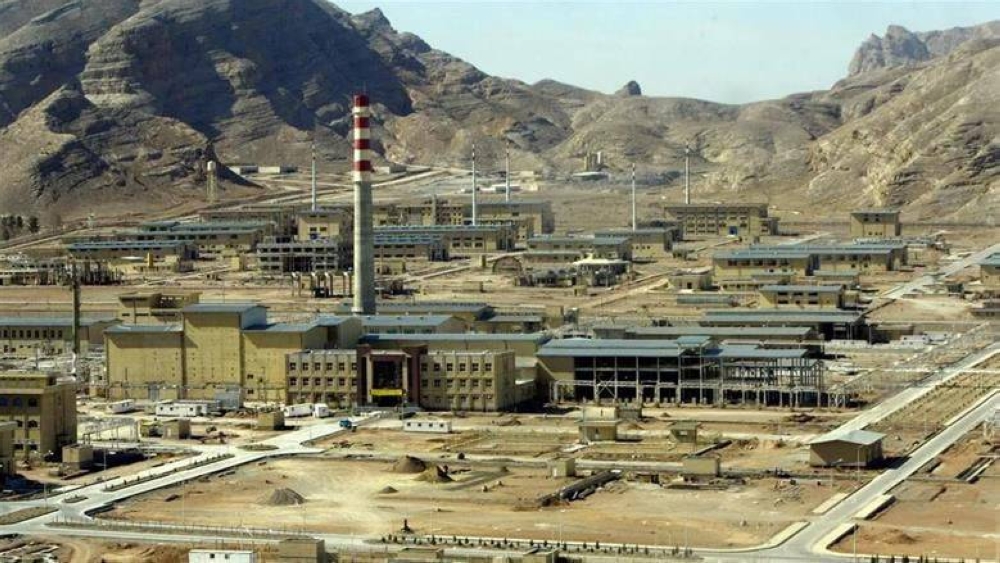
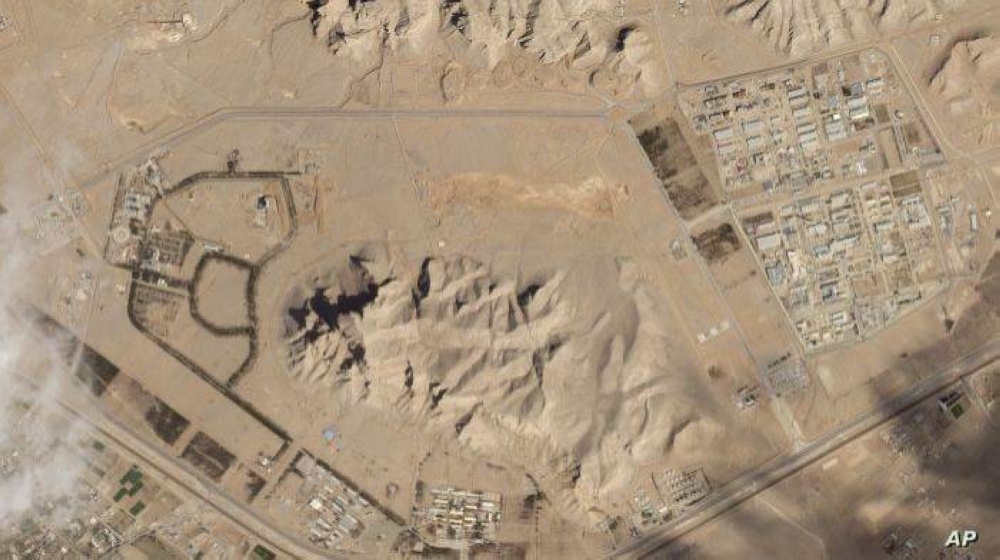
تضم المدينة الواقعة على بعد 406 كيلومترات جنوب طهران قواعد جوية، ومواقع نووية مهمة، إذ تضم أصفهان اثنين من أهم المواقع النووية الرئيسة في إيران، نطنز لتخصيب اليورانيوم، ومركز معالجة اليورانيوم، فضلاً عن قاعدة أصفهان الجوية التي يشار إليها بـ«قلب الدفاعات الجوية» للبلاد؛ بسبب موقعها الإستراتيجي ومصانع متخصصة في إنتاج وتجميع الصواريخ وغيرها من الأسلحة.
ضربات 2024
وتتضح أهمية أصفهان النووية والعسكرية مع كل مواجهة بين إيران وإسرائيل، ففي أبريل 2024 كانت أصفهان هدفاً للهجوم الذي شنته تل أبيب على إيران على خلفية التوترات التي أعقبها الرد الإيراني المباشر على الهجوم الإسرائيلي على قنصلية إيران في سورية.
وفي المواجهة الجديدة التي بدأتها إسرائيل فجر الجمعة، وواجهتها طهران برد في العمق الإسرائيلي، برز اسم أصفهان من جديد، مؤكداً على أهميته في خطط تل أبيب العسكرية.
وفي حين أفادت الوكالة الدولية للطاقة الذرية، اليوم (السبت)، بأن منشآت أصفهان النووية في إيران تم استهدافها عدة مرات أمس (الجمعة)، نجد أن صحيفة «نيويورك تايمز» قالت إن المرحلة الأولى من الهجمات الإسرائيلية لم تصب المستودع الأكثر احتمالاً للوقود النووي الإيراني الذي يُصنّف تقريباً كقنبلة - وربما كان ذلك متعمداً.
وأضافت: يُخزّن هذا المخزون في مجمع ضخم خارج العاصمة القديمة أصفهان، وفقاً للمفتشين الدوليين المكلفين بقياسه ومراقبته. لكن مقاتلات إسرائيل وأسراب الصواريخ والطائرات بدون طيار ابتعدت عن أصفهان في مواجهتها الأولى، على الرغم من أنها واحدة من أكبر المواقع النووية في البلاد، وفقاً لأجهزة الاستخبارات الغربية، التي تقول بأنها أحد مراكز برامج أبحاث الأسلحة السرية الإيرانية.
وذكرت الصحيفة الأمريكية، أنه لا يزال جزء كبير من البرنامج النووي الإيراني قائماً بعد الضربات الإسرائيلية على الأقل حتى الآن.
إنتاج اليورانيوم المعدني
من جانبه، لم يصادق الجيش الإسرائيلي ميدانياً على ما جاء في تقرير «نيويورك تايمز»، إذ أعلن أنه نفذ ضربات مباشرة استهدفت منشأة نووية في مدينة أصفهان الإيرانية في وقت سابق من يوم الجمعة.
وقال المتحدث باسم الجيش الإسرائيلي إيفي ديفرين في تصريح مقتضب: «نُعلن الآن أننا ضربنا منشأة أصفهان النووية»، مضيفًا أن «العملية لا تزال في ذروتها». وتابع بالقول: «لا تخطئوا الظن، التهديد لم يزل... لقد ألحقنا ضربات موجعة، لكن العملية مستمرة ومن المبكر تحديد إلى أي مدى تراجع البرنامج النووي الإيراني».
وذكر الجيش في بيان لاحق أن الموقع المستهدف يخضع حالياً لعملية «إعادة تحويل» لليورانيوم المخصب. وهذه هي المرحلة التالية بعد تخصيب اليورانيوم في عملية إنتاج الأسلحة النووية.
ودمر الهجوم منشأة لإنتاج اليورانيوم المعدني، وبنية تحتية لتحويل اليورانيوم المخصب، ومختبرات، وبنية تحتية أخرى.
تحصين الهياكل النووية الإيرانية
إلى ذلك قال خبراء عسكريون إن إيران أمضت سنوات في تعزيز هياكلها النووية ضد خطر الضربات العسكرية، مما سيجعل من الصعب تدميرها بشكل شامل، إذ تستخدم هذه المرافق خرسانة متخصصة ومتصلة، وبعض المواقع تحت الأرض متصلة بأنفاق ذات منعطفات بزاوية 90 درجة، وهو ما يضيف طبقة أخرى من التعقيد، بحسب الخبراء.
وتشكل أصفهان «قلب إيران النووي» حيث تقع فيها أشهر منشأة نووية إيرانية لتخصيب اليورانيوم، وتحديداً بمدينة نطنز، بينما تتم عملية تحويل اليورانيوم في منطقة زردنجان، جنوب شرق المدينة، وفقاً لصحيفة الغارديان.
وبدأ تشييد منشأة نطنز عام 1999، وتشغّل ثلاثة مفاعلات بحثية صغيرة مزودة من الصين، بالإضافة إلى إنتاج الوقود وأنشطة أخرى للبرنامج النووي الإيراني.
وسبق أن استُهدف الموقع بهجمات نسبت إلى إسرائيل. كما تعرض لانفجار في نوفمبر 2011، وفقاً لصحيفة الغارديان.
وتضم منشأة تخصيب اليورانيوم الرئيسية في إيران، كلاً من محطة تخصيب الوقود التجاري، ومحطة لتخصيب الوقود التجريبي، وفقاً لموقع مبادرة «التهديد النووي»، وهي منظمة أمنية عالمية غير حكومية، تركز على الحد من التهديدات النووية والبيولوجية التي تعرض البشرية للخطر.
وتتكون المنشأة من ثلاثة مبان تحت أرضية، اثنان منها مصممان لاستيعاب 50 ألف جهاز طرد مركزي، و6 مبان فوق الأرض، اثنان منها، عبارة عن قاعات بمساحة 2.500 متر مربع تستخدم لتجميع أجهزة الطرد المركزي الغازية، وفقاً للمصدر ذاته.
With every tension between Iran and Israel, the most important question arises: why does Isfahan province hold a prominent place in Tel Aviv's interest and strategy to strike inside Iran?
The city, located 406 kilometers south of Tehran, hosts air bases and important nuclear sites, as Isfahan contains two of the most significant nuclear facilities in Iran: Natanz for uranium enrichment and a uranium processing center, in addition to the Isfahan air base, referred to as the "heart of the country's air defenses" due to its strategic location and factories specialized in the production and assembly of missiles and other weapons.
2024 Strikes
The nuclear and military significance of Isfahan becomes clear with every confrontation between Iran and Israel. In April 2024, Isfahan was the target of an attack launched by Tel Aviv on Iran following the tensions that ensued after the Iranian response to the Israeli attack on the Iranian consulate in Syria.
In the new confrontation initiated by Israel early Friday, which Tehran responded to with a strike deep inside Israel, the name Isfahan emerged once again, underscoring its importance in Tel Aviv's military plans.
While the International Atomic Energy Agency reported today (Saturday) that Isfahan's nuclear facilities in Iran were targeted several times yesterday (Friday), the New York Times stated that the first phase of the Israeli attacks did not hit the most likely storage site for Iranian nuclear fuel, which is classified almost as a bomb - and this may have been intentional.
It added: This stockpile is stored in a massive complex outside the ancient capital of Isfahan, according to international inspectors tasked with measuring and monitoring it. However, Israeli fighter jets and swarms of missiles and drones stayed away from Isfahan in their initial confrontation, despite it being one of the largest nuclear sites in the country, according to Western intelligence, which claims it is one of the centers of Iran's secret weapons research programs.
The American newspaper reported that a large part of the Iranian nuclear program remains intact after the Israeli strikes at least so far.
Production of Metallic Uranium
For its part, the Israeli army did not field-verify what was reported by the New York Times, as it announced that it had carried out direct strikes targeting a nuclear facility in the Iranian city of Isfahan earlier on Friday.
Israeli army spokesperson Ivi Dvirin stated briefly: "We now announce that we struck the Isfahan nuclear facility," adding that "the operation is still ongoing." He continued: "Make no mistake, the threat is not gone... We have inflicted painful strikes, but the operation continues, and it is too early to determine the extent of the setback to the Iranian nuclear program."
The army later mentioned in a statement that the targeted site is currently undergoing a "reconversion" process for enriched uranium. This is the next stage after uranium enrichment in the process of nuclear weapons production.
The attack destroyed a facility for producing metallic uranium, infrastructure for converting enriched uranium, laboratories, and other infrastructure.
Fortifying Iranian Nuclear Structures
Additionally, military experts stated that Iran has spent years reinforcing its nuclear structures against the threat of military strikes, making it difficult to destroy them comprehensively. These facilities use specialized and interconnected concrete, and some sites underground are connected by tunnels with 90-degree turns, which adds another layer of complexity, according to the experts.
Isfahan forms the "heart of Iran's nuclear program," housing the most famous Iranian nuclear facility for uranium enrichment, specifically in Natanz, while the uranium conversion process takes place in the Zardanjan area, southeast of the city, according to The Guardian.
The Natanz facility began construction in 1999 and operates three small research reactors supplied by China, in addition to fuel production and other activities for Iran's nuclear program.
The site has previously been targeted in attacks attributed to Israel. It also experienced an explosion in November 2011, according to The Guardian.
The main uranium enrichment facility in Iran includes both a commercial fuel enrichment plant and an experimental fuel enrichment plant, according to the Nuclear Threat Initiative, a global non-governmental security organization focused on reducing nuclear and biological threats that endanger humanity.
The facility consists of three underground buildings, two of which are designed to accommodate 50,000 centrifuges, and six above-ground buildings, two of which are halls of 2,500 square meters used for assembling gas centrifuges, according to the same source.