على الرغم من الأضرار الكبيرة التي طالت منشأة نطنز النووية الإيرانية على خلفية الهجوم الإسرائيلي واسع النطاق، الذي قُتل فيه قادة عسكريون وعلماء نوويون، إلا أن المرحلة الأولى من الهجمات الإسرائيلية لم تصب المستودع الأكثر احتمالاً لاحتوائه على الوقود النووي الإيراني، الذي يُصنّف تقريباً كقنبلة، وربما كان ذلك متعمداً، بحسب ما أوردت «نيويورك تايمز».
وأكدت الصحيفة الأمريكية أن الضربات الإسرائيلية دمرت موقعاً لإنتاج الوقود النووي فوق الأرض ومراكز إمدادات كهربائية في أكبر مركز لتخصيب اليورانيوم في إيران، في إشارة إلى «نطنز».
وحسب مفتشين دوليين، فإن هذا المخزون يخزن في مجمع ضخم خارج العاصمة القديمة أصفهان. وذكرت الصحيفة أن طائرات إسرائيل المقاتلة المئة، وأسراب الصواريخ والطائرات المسيرة ابتعدت عن أصفهان في موجتها الأولى، على الرغم من أنها تُعدّ من أكبر المواقع النووية في إيران، وفق أجهزة استخبارات غربية.
وبعد ظهر أمس (الجمعة)، تحدث الجيش الإسرائيلي عن موجة ثانية من الهجمات، لضرب أصفهان بالفعل، لكنه لم يقصف مخزون الوقود. وركّز على المختبرات التي تعمل على تحويل غاز اليورانيوم إلى معدن، وهي إحدى المراحل الأخيرة في صنع سلاح نووي، إلا أنه لم يذكر شيئاً عن ضرب المنطقة التي يُخزّن فيها الوقود نفسه.
وكان المدير العام للوكالة الدولية للطاقة الذرية رافاييل غروسي قال بعد ساعات قليلة من بدء الهجمات: «لقد رأينا الوقود هناك أخيراً».
وكان المفتشون داخل منشآت أصفهان على مدار الأسابيع القليلة الماضية يُجرون عمليات الجرد النهائية للتقرير ربع السنوي عن قدرات إيران، الذي وُزّع على مجلس إدارة الوكالة هذا الشهر، وركّز على امتثال إيران لمطالب المفتشين.
وسبق أن ناقش رئيس وزراء إسرائيل بنيامين نتنياهو الخطر الذي يشكله هذا المخزون، عندما قال إن إيران اتخذت خطوات لم يسبق لها مثيل، خطوات لتحويل هذا اليورانيوم المُخصّب إلى سلاح. واعتبر أنه إذا لم يُوقف فإن إيران ستُنتج سلاحاً نووياً في وقت قصير جداً.
ورفض المسؤولون الإسرائيليون الرد على استفسارات حول سبب تجنّبهم استهداف المخزون، على الأقل في الوقت الحالي، بحسب الصحيفة، لكن من المُحتمل أن يُستهدف مُجمّع أصفهان في موجة هجومية قادمة.
ويعتقد مختصون أن عدم قصف إسرائيل منشأة معروفة لإنتاج اليورانيوم في أصفهان يشير إما إلى أن نتنياهو كان قلقاً أن يتسبب القصف في حادثة إشعاعية، أو أنهم يعتقدون أن إيران قد تقوم بتسليم مخزوناتها من اليورانيوم طواعيةً.
هل تعمدت إسرائيل عدم قصف الوقود النووي الإيراني؟
14 يونيو 2025 - 15:52
|
آخر تحديث 14 يونيو 2025 - 15:52
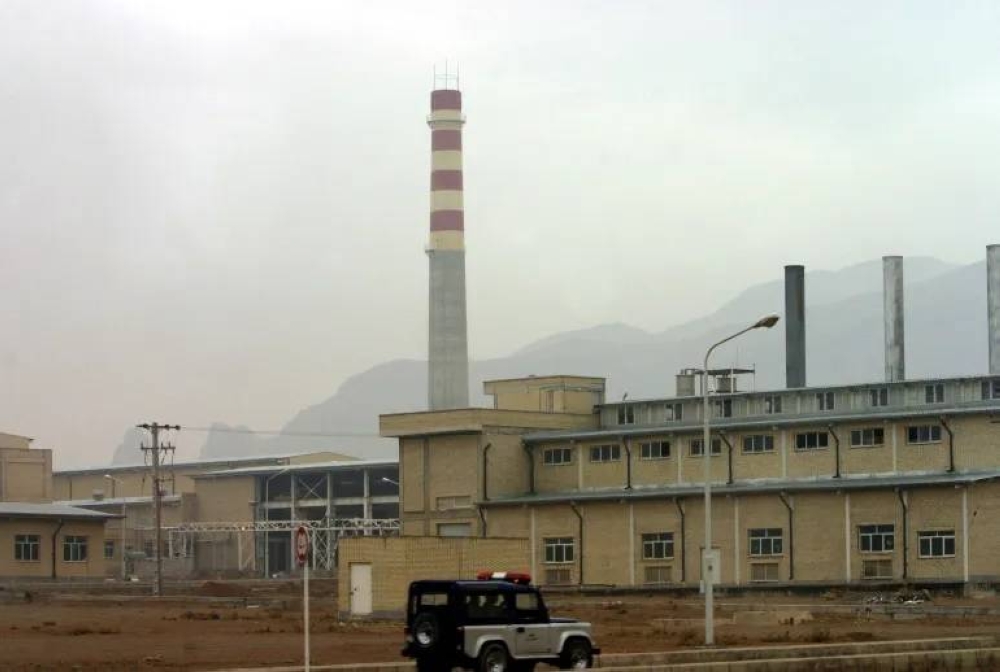
منشأة نطنز


تابع قناة عكاظ على الواتساب
«عكاظ» (جدة) okaz_online@
Despite the significant damage inflicted on Iran's Natanz nuclear facility following the extensive Israeli attack, which resulted in the deaths of military leaders and nuclear scientists, the first phase of the Israeli strikes did not hit the most likely storage site for Iranian nuclear fuel, which is nearly classified as a bomb, and this may have been intentional, according to the *New York Times*.
The American newspaper confirmed that the Israeli strikes destroyed a surface nuclear fuel production site and electrical supply centers at Iran's largest uranium enrichment facility, referring to "Natanz."
According to international inspectors, this stockpile is stored in a massive complex outside the ancient capital of Isfahan. The newspaper reported that the hundred Israeli fighter jets, along with missile and drone swarms, bypassed Isfahan in their first wave, even though it is considered one of the largest nuclear sites in Iran, according to Western intelligence.
Yesterday afternoon (Friday), the Israeli army spoke of a second wave of attacks, aiming to strike Isfahan indeed, but it did not bomb the fuel stockpile. It focused on laboratories working to convert uranium gas into metal, which is one of the final stages in making a nuclear weapon, but it did not mention anything about striking the area where the fuel itself is stored.
The Director General of the International Atomic Energy Agency, Rafael Grossi, said just hours after the attacks began: "We finally saw the fuel there."
Inspectors have been conducting final inventories at the Isfahan facilities over the past few weeks for the quarterly report on Iran's capabilities, which was distributed to the agency's board this month, focusing on Iran's compliance with inspectors' demands.
Israeli Prime Minister Benjamin Netanyahu had previously discussed the danger posed by this stockpile when he stated that Iran had taken unprecedented steps to convert this enriched uranium into a weapon. He considered that if not stopped, Iran would produce a nuclear weapon in a very short time.
Israeli officials declined to respond to inquiries about why they avoided targeting the stockpile, at least for now, according to the newspaper, but it is likely that the Isfahan complex will be targeted in an upcoming offensive wave.
Experts believe that Israel's decision not to bomb a known uranium production facility in Isfahan indicates either that Netanyahu was concerned that the bombing could cause a radiological incident, or that they believe Iran might voluntarily hand over its uranium stockpiles.
The American newspaper confirmed that the Israeli strikes destroyed a surface nuclear fuel production site and electrical supply centers at Iran's largest uranium enrichment facility, referring to "Natanz."
According to international inspectors, this stockpile is stored in a massive complex outside the ancient capital of Isfahan. The newspaper reported that the hundred Israeli fighter jets, along with missile and drone swarms, bypassed Isfahan in their first wave, even though it is considered one of the largest nuclear sites in Iran, according to Western intelligence.
Yesterday afternoon (Friday), the Israeli army spoke of a second wave of attacks, aiming to strike Isfahan indeed, but it did not bomb the fuel stockpile. It focused on laboratories working to convert uranium gas into metal, which is one of the final stages in making a nuclear weapon, but it did not mention anything about striking the area where the fuel itself is stored.
The Director General of the International Atomic Energy Agency, Rafael Grossi, said just hours after the attacks began: "We finally saw the fuel there."
Inspectors have been conducting final inventories at the Isfahan facilities over the past few weeks for the quarterly report on Iran's capabilities, which was distributed to the agency's board this month, focusing on Iran's compliance with inspectors' demands.
Israeli Prime Minister Benjamin Netanyahu had previously discussed the danger posed by this stockpile when he stated that Iran had taken unprecedented steps to convert this enriched uranium into a weapon. He considered that if not stopped, Iran would produce a nuclear weapon in a very short time.
Israeli officials declined to respond to inquiries about why they avoided targeting the stockpile, at least for now, according to the newspaper, but it is likely that the Isfahan complex will be targeted in an upcoming offensive wave.
Experts believe that Israel's decision not to bomb a known uranium production facility in Isfahan indicates either that Netanyahu was concerned that the bombing could cause a radiological incident, or that they believe Iran might voluntarily hand over its uranium stockpiles.