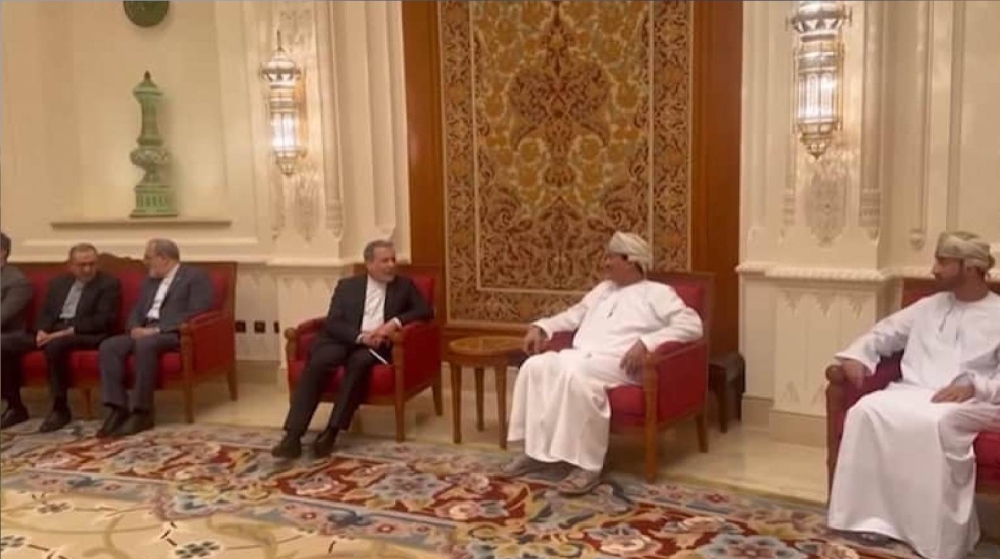
فيما أعلن وزير الخارجية العماني بدر البوسعيدي اليوم (الخميس) موعد الجولة السادسة من المحادثات الإيرانية ـ الأمريكية، مؤكداً أنها ستعقد في مسقط الأحد القادم 15 يونيو الجاري، تواصل واشنطن سحب موظفيها غير الأساسيين وعائلاتهم من منطقة الشرق الأوسط، ما ينذر بحرب جديدة بين الولايات المتحدة الأمريكية وإيران.
وفرضت واشنطن اليوم قيوداً على حركة موظفيها في إسرائيل، في حين أكد الرئيس الأمريكي دونالد ترمب إجلاء موظفين أمريكيين من الشرق الأوسط، معزياً ذلك إلى أنه قد يكون مكاناً خطيراً.
وشدد ترمب على أن إيران لا تستطيع امتلاك سلاح نووي، وأن الولايات المتحدة لن تسمح لها بذلك. وكانت وزارة الخارجية الأمريكية قد قالت إنها وجهت بمغادرة موظفي الحكومة الأمريكية غير الأساسيين من المنطقة بسبب تصاعد التوترات الإقليمية، مجددة تحذيراتها من السفر إلى العراق على المستوى الرابع والتي تعني «لا تسافر».
وأفادت صحيفة «واشنطن بوست» بأن الولايات المتحدة في حالة «تأهب قصوى» تحسباً لضربة إسرائيلية محتملة ضد إيران، مبينة أن وزارة الخارجية سمحت بإجلاء بعض موظفيها في العراق، فيما منحت وزارة الدفاع (البنتاغون) الضوء الأخضر لمغادرة عائلات العسكريين من قواعد متعددة في الشرق الأوسط.
بالمقابل قال مسؤول إيراني كبير في تصريحات صحفية إن دولة «صديقة» في المنطقة حذرت طهران من ضربة عسكرية محتملة، مؤكداً أن بلاده لن تتخلى عن حقها في تخصيب اليورانيوم بسبب تصاعد التوتر في المنطقة.
واعتبر المسؤول أن التوتر المتصاعد يهدف إلى التأثير على طهران لتغيير موقفها بشأن حقوقها النووية خلال المحادثات المقررة مع الولايات المتحدة.
من جهته، أكد الرئيس الإيراني مسعود بزشكيان أن أساس المحادثات مع أمريكا هو توجيهات المرشد علي خامنئي، مشدداً على أن طهران لن تخضع للقوة.
ونقلت وكالة «تسنيم» الإيرانية عن بزشكيان قوله: «لن نقبل أبداً أن نخفض أبحاثنا إلى الصفر، ثم ننتظر موافقتهم للحصول على المواد النووية اللازمة للصناعة والطب والزراعة وغيرها من العلوم».
بدوره، أفصح القائد العام للحرس الثوري الإيراني اللواء حسين سلامي اليوم خلال اجتماع لقادة منظمة حشد المستضعفين (الباسيج)، التابعة لحرس طهران الكبرى، أن تهديدات تتعرض لها بلاده، وأنهم سيخوضون معركة عسكرية.
ويأتي هذا التصعيد في الوقت الذي تتضاءل فيه آمال ترمب بشأن إمكانية التوصل إلى اتفاق مع إيران يقيّد برنامجها النووي ويمنع اندلاع مواجهة عسكرية كارثية جديدة في المنطقة.
وكتب وزير الخارجية العماني بدر البوسعيدي على حسابه في «إكس»: «يسرني أن أؤكد أن الجولة السادسة من محادثات إيران والولايات المتحدة ستعقد في مسقط يوم الأحد الموافق 15 الشهر الجاري».
ولم يصدر حتى الآن أي تعليق رسمي من الجانب الأمريكي بشأن الجولة المرتقبة، إلا أن مسؤولاً أمريكياً قال إن المبعوث الرئاسي الخاص ستيف ويتكوف سيلتقي وزير الخارجية الإيراني عباس عراقجي في مسقط (الأحد) لمناقشة رد طهران على مقترح الولايات المتحدة بشأن التوصل لاتفاق نووي.
وكان ويتكوف قد أكد أمس أنه لا يجب السماح لإيران لا بالتخصيب ولا بتطوير قدرات نووية، معتبراً أن وجود طهران كدولة نووية «يمثل تهديداً وجودياً لإسرائيل، كما تمثل ترسانة إيران الصاروخية التهديد نفسه».
Omani Foreign Minister Badr al-Busaidi announced today (Thursday) the date of the sixth round of Iranian-American talks, confirming that it will be held in Muscat next Sunday, June 15. Meanwhile, Washington continues to withdraw its non-essential staff and their families from the Middle East, signaling a potential new war between the United States and Iran.
Today, Washington imposed restrictions on the movement of its employees in Israel, while U.S. President Donald Trump confirmed the evacuation of American personnel from the Middle East, attributing this to the fact that it could be a dangerous place.
Trump emphasized that Iran cannot possess nuclear weapons and that the United States will not allow it to do so. The U.S. State Department stated that it had directed non-essential U.S. government employees to leave the region due to escalating regional tensions, renewing its travel warning to Iraq at level four, which means "do not travel."
The Washington Post reported that the United States is in a state of "maximum alert" in anticipation of a potential Israeli strike against Iran, indicating that the State Department has allowed the evacuation of some of its personnel in Iraq, while the Department of Defense (Pentagon) has given the green light for the families of military personnel to leave multiple bases in the Middle East.
In contrast, a senior Iranian official stated in press remarks that a "friendly" country in the region warned Tehran of a potential military strike, affirming that his country will not abandon its right to enrich uranium due to rising tensions in the region.
The official considered that the escalating tensions aim to influence Tehran to change its stance regarding its nuclear rights during the scheduled talks with the United States.
For his part, Iranian President Masoud Bezhakian confirmed that the basis of the talks with America is the directives of Supreme Leader Ali Khamenei, stressing that Tehran will not submit to force.
The Iranian news agency Tasnim quoted Bezhakian as saying: "We will never accept to reduce our research to zero and then wait for their approval to obtain the necessary nuclear materials for industry, medicine, agriculture, and other sciences."
Meanwhile, the commander of the Iranian Revolutionary Guard, Major General Hossein Salami, disclosed today during a meeting with leaders of the Popular Mobilization Forces (Basij), affiliated with the Greater Tehran Guard, that threats are facing his country and that they will engage in a military battle.
This escalation comes at a time when Trump's hopes for reaching an agreement with Iran that restricts its nuclear program and prevents the outbreak of a catastrophic military confrontation in the region are dwindling.
Omani Foreign Minister Badr al-Busaidi wrote on his account on "X": "I am pleased to confirm that the sixth round of talks between Iran and the United States will be held in Muscat on Sunday, the 15th of this month."
No official comment has yet been issued from the American side regarding the upcoming round; however, an American official stated that special presidential envoy Steve Biegun will meet with Iranian Foreign Minister Abbas Araghchi in Muscat (Sunday) to discuss Tehran's response to the U.S. proposal regarding reaching a nuclear agreement.
Biegun had confirmed yesterday that Iran should not be allowed to enrich or develop nuclear capabilities, considering that Tehran's existence as a nuclear state "represents an existential threat to Israel, just as Iran's missile arsenal poses the same threat."