


في تطور لافت يعكس تبدلاً في طبيعة الضغط الإسرائيلي على لبنان، أقدم الجيش اللبناني، أمس (الأحد)، بناء على طلب نقل عبر اللجنة الخماسية، على تنفيذ عملية تفتيش ميدانية في منطقة الليلكي بالضاحية الجنوبية لبيروت تحت طائلة الاستهداف.
وجاءت الخطوة لتفنيد مطالب إسرائيلية تؤكد وجود مصانع صواريخ أو مخازن سلاح تحت الأرض. وقدم الجيش اللبناني تقريراً رسمياً يؤكد فيه عدم وجود ما يشير إلى هذه المزاعم، لكن خلف هذا التحرك التقني، تختبئ إشارات سياسية وأمنية دقيقة.
الضاحية توضع اليوم علناً على الطاولة الدولية كمنطقة نزاع يُطلب التدقيق فيها، ولم تعد فقط مساحة تُضرب بصمت. الاستجابة اللبنانية لم تكن مجرد رضوخ، بل محاولة لنزع فتيل تصعيد قد تهيئ له إسرائيل من خلال هذه الادعاءات. ففي الشكل، الدولة اللبنانية تنفي تغطية أي نشاط غير شرعي، وفي الجوهر، تُظهر أن الضغوط الدولية باتت تدخل إلى عمق العاصمة، لا تقتصر على الحدود.
المطالب الإسرائيلية ليست أمنية فحسب، بل جزء من معركة إستراتيجية هدفها فرض معادلة اشتباك جديدة. فمنذ اندلاع الحرب على غزة، أبقت إسرائيل ضرباتها في الجنوب ضمن حدود محسوبة، لكن في ليلة عيد الأضحى، نفذت ضربة جوية استثنائية في قلب الضاحية ومحيطها، في رسالة واضحة بأن الجبهة لم تعد مقتصرة على الحدود. هذا التبدل يعكس سعياً لتوسيع بنك الأهداف باتجاه مواقع تحمل رمزية سياسية واجتماعية.
الرسالة الإسرائيلية تتجاوز الردع العسكري. ثمة محاولة لإحراج حزب الله أمام بيئته، وعبر الدولة اللبنانية نفسها. حين يُجبر الحزب على القبول بتفتيش مناطق حساسة، يفقد شيئاً من هالة الحصانة الرمزية التي لطالما شكلت جزءاً من قوته.
إسرائيل تدير هذه الجولة بأدوات الضغط السياسي والدولي، وتراهن على تحويل الضاحية إلى ملف قابل للتفاوض، لا منطقة محرّمة. وهذا المسار يلقى تجاوباً غير مباشر من بعض القوى الدولية، خصوصاً واشنطن وباريس، اللتين تنظران إلى «ضبط السلاح غير الشرعي» كشرط أساسي لأي تسوية في لبنان. وتحويل الضاحية إلى نموذج للتفتيش، ولو بشكل رمزي، هو خطوة أولى لربط مستقبل سلاح حزب الله بمقررات دولية تتبلور تدريجياً.
الضاحية لم تعد كما كانت. ضُربت ليلة العيد، وفتشها الجيش اللبناني (الأحد). لتتحول من مساحة ذات رمزية خاصة إلى ساحة مواجهة مفتوحة، تتقاطع فيها الطائرات مع التقارير الدبلوماسية.
والسؤال لم يعد فقط: هل هناك سلاح تحت الأرض؟ بل: هل بدأت مرحلة جديدة من المواجهة تُدار بلغات متعددة، يكون فيها الداخل اللبناني جزءاً من الاشتباك الإقليمي والدولي؟
من منطقة محرّمة إلى ملف قابل للتفاوض..
الضاحية الجنوبية لبيروت على الطاولة الدولية
9 يونيو 2025 - 12:14
|
آخر تحديث 9 يونيو 2025 - 12:14
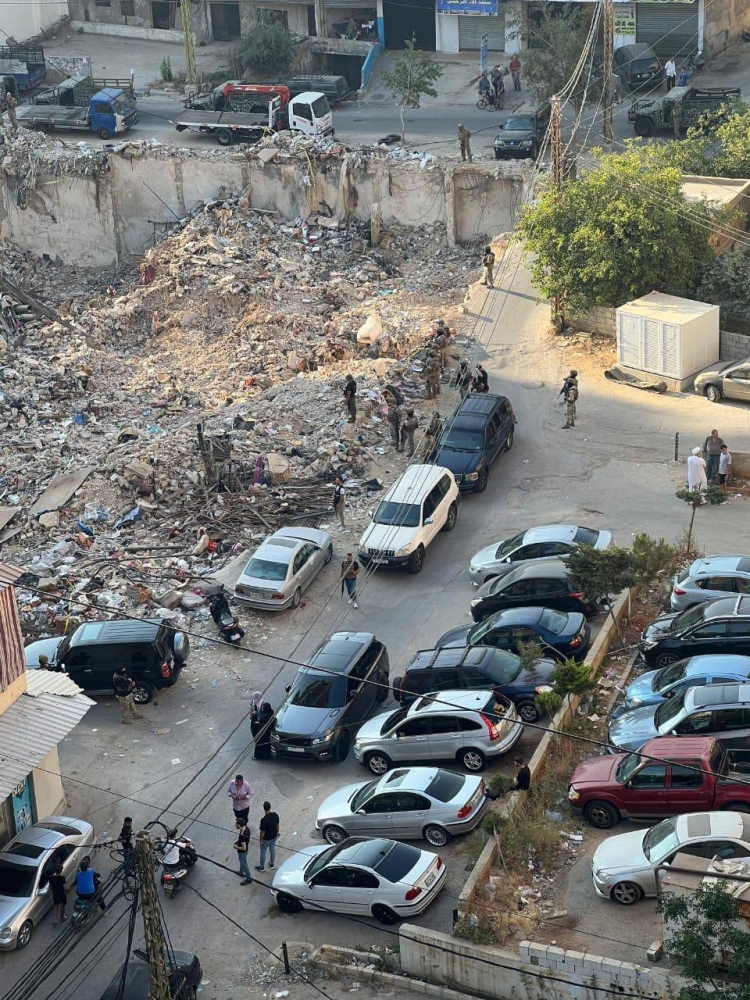
من عملية التفتيش التي نفذها الجيش اللبناني.


تابع قناة عكاظ على الواتساب
راوية حشمي (بيروت) @HechmiRawiya
In a notable development reflecting a change in the nature of Israeli pressure on Lebanon, the Lebanese army carried out a field inspection operation in the Lilaki area of the southern suburbs of Beirut yesterday (Sunday), based on a request communicated through the quintet committee, under the threat of being targeted.
This step was taken to refute Israeli claims asserting the existence of missile factories or underground weapons storage. The Lebanese army submitted an official report confirming that there was no evidence supporting these allegations, but behind this technical move, precise political and security signals are hidden.
The suburbs are now openly placed on the international table as a conflict area that requires scrutiny, and it is no longer just a space that is silently struck. The Lebanese response was not merely submission, but an attempt to defuse a potential escalation that Israel might be preparing through these claims. Formally, the Lebanese state denies covering any illegal activity, while essentially showing that international pressures are now penetrating deep into the capital, not limited to the borders.
The Israeli demands are not merely security-related; they are part of a strategic battle aimed at imposing a new engagement equation. Since the outbreak of the war on Gaza, Israel has kept its strikes in the south within calculated limits, but on the night of Eid al-Adha, it carried out an exceptional airstrike in the heart of the suburbs and its surroundings, sending a clear message that the front is no longer confined to the borders. This change reflects an effort to expand the target bank towards sites that carry political and social symbolism.
The Israeli message goes beyond military deterrence. There is an attempt to embarrass Hezbollah in front of its environment, and through the Lebanese state itself. When the party is forced to accept inspections of sensitive areas, it loses some of the symbolic aura of immunity that has always been part of its strength.
Israel is managing this round with tools of political and international pressure, betting on turning the suburbs into a negotiable file, not a forbidden area. This path is receiving indirect responses from some international powers, especially Washington and Paris, which view "controlling illegal arms" as a fundamental condition for any settlement in Lebanon. Transforming the suburbs into a model for inspections, even symbolically, is a first step toward linking the future of Hezbollah's weapons to international resolutions that are gradually taking shape.
The suburbs are no longer what they used to be. They were struck on the night of the holiday, and inspected by the Lebanese army (on Sunday). They have transformed from a space with special symbolism into an open confrontation arena, where aircraft intersect with diplomatic reports.
The question is no longer just: Is there weapons underground? But rather: Has a new phase of confrontation begun, managed in multiple languages, in which the Lebanese interior is part of the regional and international engagement?
This step was taken to refute Israeli claims asserting the existence of missile factories or underground weapons storage. The Lebanese army submitted an official report confirming that there was no evidence supporting these allegations, but behind this technical move, precise political and security signals are hidden.
The suburbs are now openly placed on the international table as a conflict area that requires scrutiny, and it is no longer just a space that is silently struck. The Lebanese response was not merely submission, but an attempt to defuse a potential escalation that Israel might be preparing through these claims. Formally, the Lebanese state denies covering any illegal activity, while essentially showing that international pressures are now penetrating deep into the capital, not limited to the borders.
The Israeli demands are not merely security-related; they are part of a strategic battle aimed at imposing a new engagement equation. Since the outbreak of the war on Gaza, Israel has kept its strikes in the south within calculated limits, but on the night of Eid al-Adha, it carried out an exceptional airstrike in the heart of the suburbs and its surroundings, sending a clear message that the front is no longer confined to the borders. This change reflects an effort to expand the target bank towards sites that carry political and social symbolism.
The Israeli message goes beyond military deterrence. There is an attempt to embarrass Hezbollah in front of its environment, and through the Lebanese state itself. When the party is forced to accept inspections of sensitive areas, it loses some of the symbolic aura of immunity that has always been part of its strength.
Israel is managing this round with tools of political and international pressure, betting on turning the suburbs into a negotiable file, not a forbidden area. This path is receiving indirect responses from some international powers, especially Washington and Paris, which view "controlling illegal arms" as a fundamental condition for any settlement in Lebanon. Transforming the suburbs into a model for inspections, even symbolically, is a first step toward linking the future of Hezbollah's weapons to international resolutions that are gradually taking shape.
The suburbs are no longer what they used to be. They were struck on the night of the holiday, and inspected by the Lebanese army (on Sunday). They have transformed from a space with special symbolism into an open confrontation arena, where aircraft intersect with diplomatic reports.
The question is no longer just: Is there weapons underground? But rather: Has a new phase of confrontation begun, managed in multiple languages, in which the Lebanese interior is part of the regional and international engagement?


