في خطوة تنذر بتصعيد تجاري جديد مع أوروبا، أدرج الرئيس الأمريكي دونالد ترمب أيرلندا في «القائمة السوداء» الرسمية للبيت الأبيض بسبب فائضها التجاري مع الولايات المتحدة.
وكشفت صحيفة «تليغراف» البريطانية أن أيرلندا انضمت إلى سويسرا كأحدث الدول المدرجة في قائمة وزارة الخزانة الأمريكية التي تتضمن أيضاً الصين واليابان وألمانيا وفيتنام وكوريا الجنوبية، وهي دول تستهدفها واشنطن بشكل منتظم بسبب الفوائض التجارية الكبيرة مع الولايات المتحدة.
واعتبرت أن إدراج أيرلندا على «قائمة المراقبة» يضعها في مقدمة الدول المعرّضة لغضب ترمب، ما قد يؤدي إلى فرض رسوم جمركية أو عقوبات أخرى.
وكان ترمب عبّر عن استيائه من الفائض التجاري الأيرلندي، وقال خلال لقاء رئيس الوزراء الأيرلندي ميشيل مارتن في مارس الماضي: «لدينا عجز هائل مع أيرلندا، لأنهم كانوا أذكياء جداً وأخذوا شركاتنا الدوائية». وأعلن من قبل نيته فرض رسوم بنسبة 200% على واردات الأدوية الأمريكية من أيرلندا، مضيفاً: «نحن لا نريد أن نؤذي أيرلندا، لكننا نريد العدالة».
يذكر أن صادرات أيرلندا إلى الولايات المتحدة شهدت ارتفاعاً بنسبة 49% في الربع الأول من عام 2025 مقارنة بالعام السابق، في محاولة من المصدرين لتسريع الشحنات قبل دخول أي رسوم محتملة حيز التنفيذ. وهذا الارتفاع ساهم في نمو الناتج المحلي الإجمالي الأيرلندي بنسبة 9.7% خلال الفترة ذاتها.
من جهته، حذر البنك المركزي الألماني من أن الفشل في التوصل إلى اتفاق تجاري قد يُبقي أكبر اقتصاد أوروبي في حالة ركود حتى عام 2027.
وأفصحت بيانات حديثة عن تراجع الإنتاج الصناعي الألماني بنسبة 1.4% في أبريل، وانخفاض الصادرات إلى الولايات المتحدة بنسبة 10.3% مقارنة بالشهر السابق، مع تباطؤ الشحنات عبر الأطلسي بعد موجة من عمليات الشحن المبكرة.
ويعتقد مراقبون أن التصعيد التجاري ربما يقود إلى هزة في العلاقات الاقتصادية عبر الأطلسي، خصوصاً بالنسبة لدول صغيرة ولكن قوية اقتصادياً مثل أيرلندا، ويضع الاتحاد الأوروبي أمام تحدٍّ صعب لتجنّب تداعيات اقتصادية كبيرة في الأشهر القادمة.
ولم يتبقَ أمام الاتحاد الأوروبي سوى نحو 4 أسابيع بقليل قبل انتهاء مهلة الـ90 يوماً التي أعلنها ترمب لتجميد الرسوم الجمركية، والتي تنتهي في 9 يوليو.
بعد سويسرا.. ترمب يُلحق أيرلندا بـ«القائمة السوداء»
7 يونيو 2025 - 20:25
|
آخر تحديث 7 يونيو 2025 - 20:25
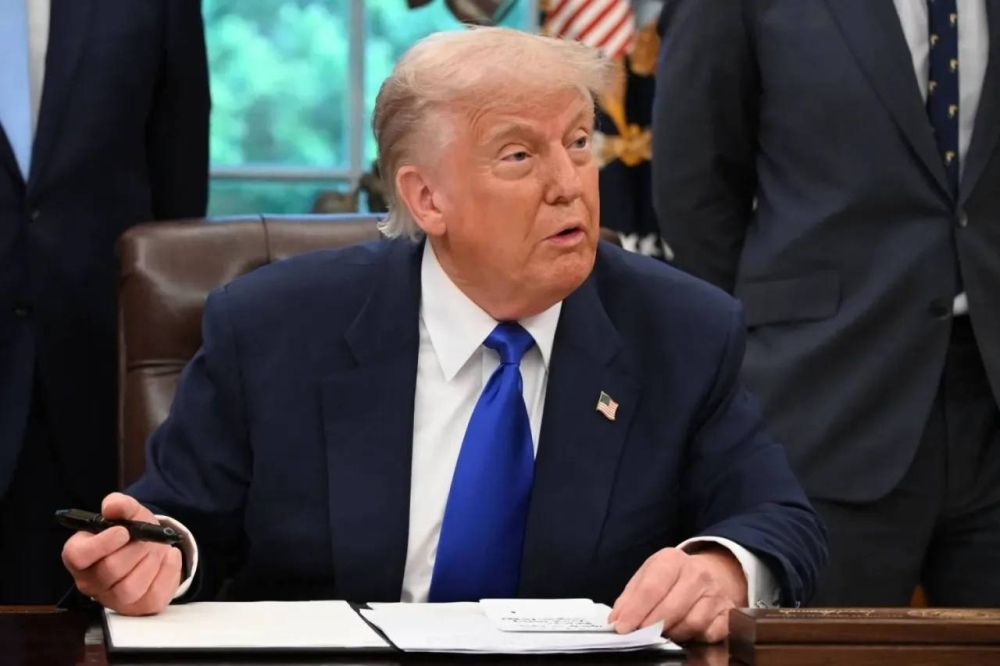
دونالد ترمب


تابع قناة عكاظ على الواتساب
«عكاظ» (جدة) okaz_online@
In a move that signals a new trade escalation with Europe, U.S. President Donald Trump has placed Ireland on the White House's official "blacklist" due to its trade surplus with the United States.
The British newspaper "Telegraph" revealed that Ireland has joined Switzerland as the latest countries listed by the U.S. Treasury Department, which also includes China, Japan, Germany, Vietnam, and South Korea—countries that Washington regularly targets due to their large trade surpluses with the United States.
It is considered that Ireland's inclusion on the "watch list" puts it at the forefront of countries vulnerable to Trump's wrath, which could lead to the imposition of tariffs or other penalties.
Trump has expressed his dissatisfaction with the Irish trade surplus, stating during a meeting with Irish Prime Minister Micheál Martin last March: "We have a huge deficit with Ireland because they were very smart and took our pharmaceutical companies." He previously announced his intention to impose a 200% tariff on American drug imports from Ireland, adding: "We don't want to hurt Ireland, but we want fairness."
It is worth noting that Irish exports to the United States saw a 49% increase in the first quarter of 2025 compared to the previous year, as exporters attempted to accelerate shipments before any potential tariffs come into effect. This increase contributed to a 9.7% growth in Irish GDP during the same period.
For its part, the German central bank warned that failure to reach a trade agreement could keep the largest European economy in a state of recession until 2027.
Recent data revealed a 1.4% decline in German industrial production in April, and a 10.3% drop in exports to the United States compared to the previous month, with a slowdown in transatlantic shipments following a wave of early shipping.
Observers believe that the trade escalation could lead to a shake-up in transatlantic economic relations, especially for small but economically strong countries like Ireland, and presents the European Union with a difficult challenge to avoid significant economic repercussions in the coming months.
The European Union has just about 4 weeks left before the end of the 90-day deadline announced by Trump to freeze tariffs, which expires on July 9.
The British newspaper "Telegraph" revealed that Ireland has joined Switzerland as the latest countries listed by the U.S. Treasury Department, which also includes China, Japan, Germany, Vietnam, and South Korea—countries that Washington regularly targets due to their large trade surpluses with the United States.
It is considered that Ireland's inclusion on the "watch list" puts it at the forefront of countries vulnerable to Trump's wrath, which could lead to the imposition of tariffs or other penalties.
Trump has expressed his dissatisfaction with the Irish trade surplus, stating during a meeting with Irish Prime Minister Micheál Martin last March: "We have a huge deficit with Ireland because they were very smart and took our pharmaceutical companies." He previously announced his intention to impose a 200% tariff on American drug imports from Ireland, adding: "We don't want to hurt Ireland, but we want fairness."
It is worth noting that Irish exports to the United States saw a 49% increase in the first quarter of 2025 compared to the previous year, as exporters attempted to accelerate shipments before any potential tariffs come into effect. This increase contributed to a 9.7% growth in Irish GDP during the same period.
For its part, the German central bank warned that failure to reach a trade agreement could keep the largest European economy in a state of recession until 2027.
Recent data revealed a 1.4% decline in German industrial production in April, and a 10.3% drop in exports to the United States compared to the previous month, with a slowdown in transatlantic shipments following a wave of early shipping.
Observers believe that the trade escalation could lead to a shake-up in transatlantic economic relations, especially for small but economically strong countries like Ireland, and presents the European Union with a difficult challenge to avoid significant economic repercussions in the coming months.
The European Union has just about 4 weeks left before the end of the 90-day deadline announced by Trump to freeze tariffs, which expires on July 9.