فيما يبحث السوريون بعد سقوط نظام الأسد في الثامن من ديسمبر الماضي عن نحو 3700 طفل، كشفت وثائق سرية ومحادثات مع معتقلين سابقين، أن 300 طفل على الأقل فُصلوا قسراً عن عائلاتهم ووُضعوا في دور للأيتام بعد اعتقالهم خلال الحرب الأهلية، بحسب ما أوردت صحيفة «وول ستريت جورنال».
ووفقاً للشبكة السورية لحقوق الإنسان، فإن هناك أكثر من 112 ألف سوري اعتُقلوا منذ بدء الثورة ضد نظام بشار الأسد عام 2011 في عداد المفقودين. وهذا الرقم يضاهي عدد الأشخاص الذين اختفوا في حروب المخدرات في المكسيك، مع أن عدد سكان سورية لا يتجاوز خُمس عددهم.
وأفادت الشبكة، بأن فرعها في سورية استقبل 139 طفلاً «بدون وثائق رسمية» بين عامي 2014 و2018، وطالب السلطات بالتوقف عن إيداعهم في رعايتها.
ونقلت منظمة قرى الأطفال SOS، عن مراجعة للسجلات السابقة، أن معظم هؤلاء الأطفال أُعيدوا إلى السلطات في عهد النظام السابق. ولم تتمكن الصحيفة الأمريكية من تحديد مصيرهم لاحقاً.
لكن سجلات وزارة الشؤون الاجتماعية والعمل، المسؤولة عن دور الأيتام، اعتبرت أن هذه الممارسة رسمية. ووُجدت في ملفات مكدسة بلاغات سرية من أجهزة المخابرات السورية، اطلعت عليها «وول ستريت جورنال»، تُصدر تعليمات للوزارة بنقل أطفال المعتقلين إلى دور الأيتام.
من جانبه، أعلن المتحدث باسم الوزارة سعد الجابري أن البحث في أرشيف الوزارة كشف وجود نحو 300 طفل نُقلوا إلى أربع دور أيتام في دمشق. ورجح فقدان العديد من الوثائق، وقال إن الإجابات التي يسعى إليها أقارب الأطفال المفقودين البالغ عددهم 3700 طفل قد تكون موجودة في مكان آخر.
وحفلت سنوات حكم بشار بالاعتقالات التعسفية والعنف والتعذيب في السجون، ضمن ممارسات هدفت إلى القضاء على أي شكل من أشكال المعارضة، بحسب منظمات حقوقية.
وأعلنت السلطات السورية الجديدة، في مايو الماضي، تشكيل هيئتين للعدالة الانتقالية والمفقودين، سعياً لمعالجة ملفين من الأكثر تعقيداً في هذه المرحلة الانتقالية عقب إطاحة حكم الأسد. وكلفت الهيئة بالبحث والكشف عن مصير المفقودين والمختفين قسراً، وتوثيق الحالات، وإنشاء قاعدة بيانات وطنية، وتقديم الدعم القانوني والإنساني لعائلاتهم.
وشددت العديد من المنظمات الحقوقية وهيئات المجتمع المدني والأطراف الدوليين، على أهمية العدالة الانتقالية وكشف مصير المفقودين ومحاسبة المسؤولين عن الانتهاكات خلال حكم الأسد الذي امتد زهاء ربع قرن، في التأسيس للمرحلة الجديدة في البلاد.
وثائق تثبت إيداعهم دار أيتام.. نظام الأسد خطف 300 طفل قسراً
7 يونيو 2025 - 11:54
|
آخر تحديث 7 يونيو 2025 - 11:54
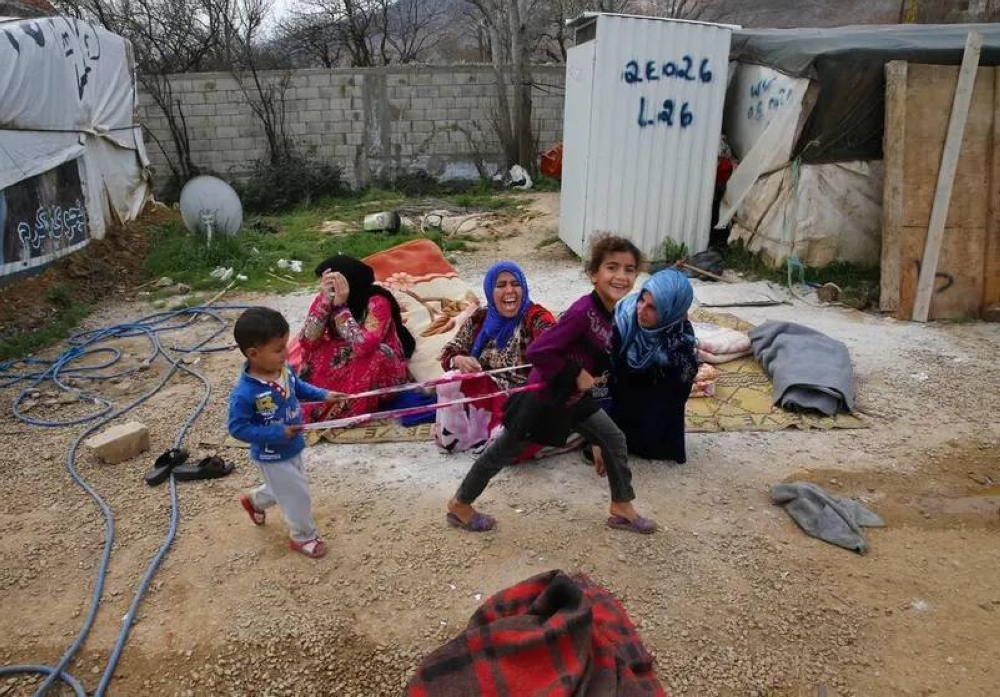
أطفال سوريون لاجئون في لبنان


تابع قناة عكاظ على الواتساب
«عكاظ» (دمشق) okaz_online@
While Syrians are searching for about 3,700 children following the fall of the Assad regime on December 8, documents and conversations with former detainees revealed that at least 300 children were forcibly separated from their families and placed in orphanages after being arrested during the civil war, according to the Wall Street Journal.
According to the Syrian Network for Human Rights, more than 112,000 Syrians have been detained since the start of the revolution against Bashar al-Assad's regime in 2011 and are considered missing. This number is comparable to the number of people who have disappeared in drug wars in Mexico, even though Syria's population is only one-fifth of theirs.
The network reported that its branch in Syria received 139 children "without official documents" between 2014 and 2018, and called on the authorities to stop placing them in their care.
The SOS Children's Villages organization reported, based on a review of previous records, that most of these children were returned to the authorities under the previous regime. The American newspaper was unable to determine their fate afterward.
However, records from the Ministry of Social Affairs and Labor, which is responsible for orphanages, considered this practice to be official. Stacked files contained secret reports from Syrian intelligence, which the Wall Street Journal reviewed, issuing instructions to the ministry to transfer the children of detainees to orphanages.
For his part, the ministry's spokesperson, Saad al-Jabri, announced that a search of the ministry's archives revealed the existence of about 300 children transferred to four orphanages in Damascus. He suggested that many documents may have been lost and stated that the answers sought by the relatives of the 3,700 missing children may exist elsewhere.
Years of Bashar's rule were marked by arbitrary arrests, violence, and torture in prisons, as part of practices aimed at eliminating any form of opposition, according to human rights organizations.
The new Syrian authorities announced in May the formation of two bodies for transitional justice and the missing, in an effort to address two of the most complex issues in this transitional phase following the overthrow of Assad's rule. The body was tasked with investigating and revealing the fate of the missing and forcibly disappeared, documenting cases, creating a national database, and providing legal and humanitarian support to their families.
Many human rights organizations, civil society bodies, and international parties emphasized the importance of transitional justice, revealing the fate of the missing, and holding accountable those responsible for violations during Assad's nearly quarter-century rule, as a foundation for the new phase in the country.
According to the Syrian Network for Human Rights, more than 112,000 Syrians have been detained since the start of the revolution against Bashar al-Assad's regime in 2011 and are considered missing. This number is comparable to the number of people who have disappeared in drug wars in Mexico, even though Syria's population is only one-fifth of theirs.
The network reported that its branch in Syria received 139 children "without official documents" between 2014 and 2018, and called on the authorities to stop placing them in their care.
The SOS Children's Villages organization reported, based on a review of previous records, that most of these children were returned to the authorities under the previous regime. The American newspaper was unable to determine their fate afterward.
However, records from the Ministry of Social Affairs and Labor, which is responsible for orphanages, considered this practice to be official. Stacked files contained secret reports from Syrian intelligence, which the Wall Street Journal reviewed, issuing instructions to the ministry to transfer the children of detainees to orphanages.
For his part, the ministry's spokesperson, Saad al-Jabri, announced that a search of the ministry's archives revealed the existence of about 300 children transferred to four orphanages in Damascus. He suggested that many documents may have been lost and stated that the answers sought by the relatives of the 3,700 missing children may exist elsewhere.
Years of Bashar's rule were marked by arbitrary arrests, violence, and torture in prisons, as part of practices aimed at eliminating any form of opposition, according to human rights organizations.
The new Syrian authorities announced in May the formation of two bodies for transitional justice and the missing, in an effort to address two of the most complex issues in this transitional phase following the overthrow of Assad's rule. The body was tasked with investigating and revealing the fate of the missing and forcibly disappeared, documenting cases, creating a national database, and providing legal and humanitarian support to their families.
Many human rights organizations, civil society bodies, and international parties emphasized the importance of transitional justice, revealing the fate of the missing, and holding accountable those responsible for violations during Assad's nearly quarter-century rule, as a foundation for the new phase in the country.